Iowa and Northern Missouri in the Convective Crosshairs

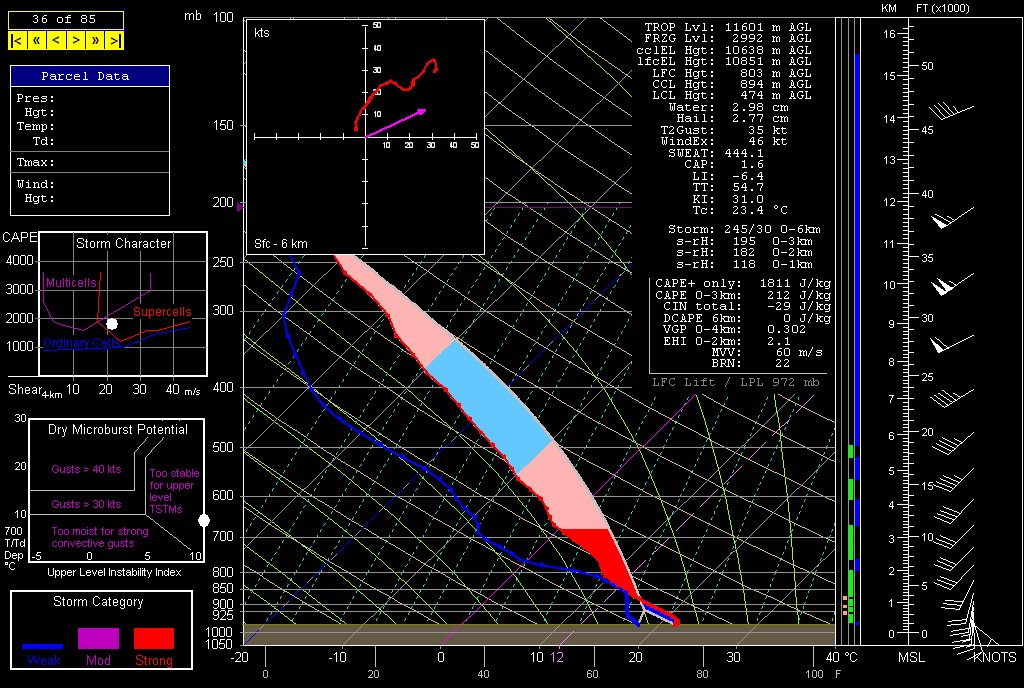
I had reconciled myself with the thought that this autumn’s storm season would be a no-show in the Great Lakes and Corn Belt. Leave it to the atmosphere to prove me wrong, but I’m not complaining. How’s this for a NAM forecast sounding for October 23 in Des Moines, Iowa (click on image to enlarge)?

Maybe not the sexiest hodograph, but I won’t kick it out of bed for eating crackers, and you’ve got to love that 1,811 J/kg SBCAPE. Storm-relative helicity could be better, but still, you got yer 0-2 km EHI of 2.1, yer -6.4 LI, 4 km VGP of .3, nice influx of moisture, good upper level support…what more do you want this time of year? Eggs in your beer?
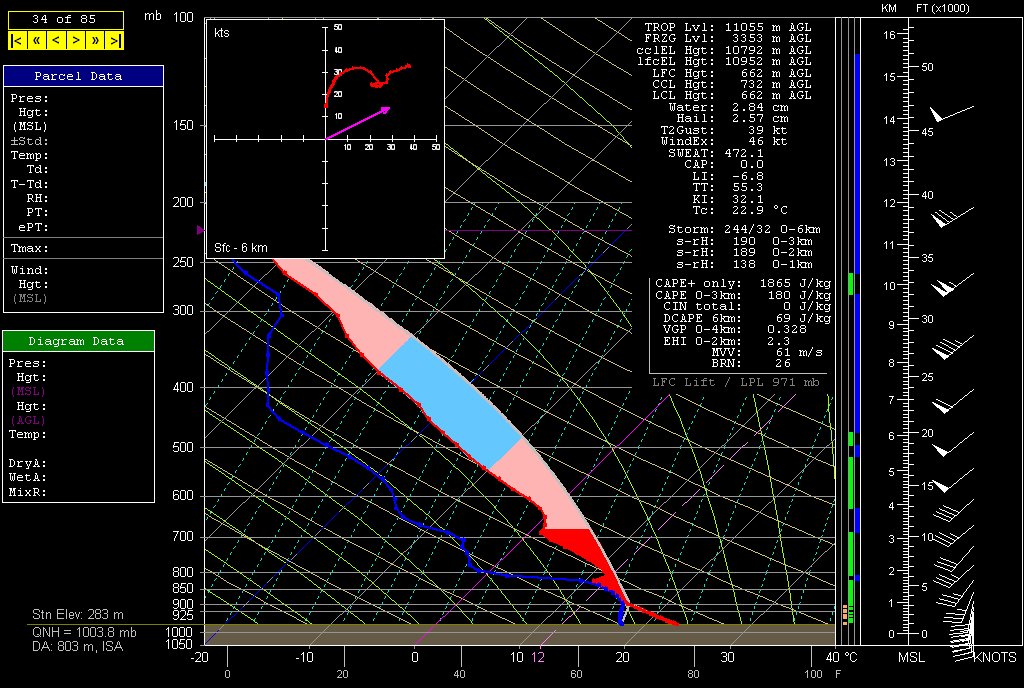
Sixty-five miles southeast of Des Moines in Moravia, the sounding for 21Z looks even better with slightly bigger CAPE, -6.8 LI, a curvier hodograph, a southwesterly H5 cruising along at a stout 50 knots, BRN of 26, and better 0-6 km shear. Bulk shear is actually a bit of a concern–the NAM sounding gives a less optimistic view of it than does the map–but we’ll see how that plays out in future runs. I have a hard time believing that shear won’t be adequate.

I’m seriously contemplating going after this scenario. And it’s just a forerunner; another, stronger system looks to be moving through the Great Lakes in the Monday/Tuesday time frame, with backing surface winds pumping a nice plume of moisture into the region.

All in all, those of us up here in the great north woods may get one or two last whacks at some decent storm chasing and maybe even a few tornadoes before the snows fly. I’m keeping a close eye on this setup and crossing my fingers.
Multiple Vortices: How Deep Do They Go?

In a recent thread on Stormtrack, storm chaser Shane Adams speculated that all tornadoes exhibit some degree of multi-vorticity. He opened up a topic that has intrigued me for a while.

Just how deep does multiple vorticity extend into a tornado? It may go deeper than most of us chasers imagine. We all understand that many tornadoes display multiple vortices, and a lot of us have witnessed the phenomenon firsthand. It’s possible, though, that the process we call a tornado is a actually an entire complex of vorticity consisting of rotations within rotations. It’s no secret that circulation ranges downward from synoptic scale to mesoscale to microscale; why shouldn’t it continue to do so on increasingly smaller scales? Maybe this concept is nothing new to tornado researchers, but I haven’t heard it discussed to any degree in the general storm chasing community.

While I used to associate multiple vortices with larger tornadoes, it’s the smaller ones that in recent years have intrigued me as I’ve taken a closer look. Some of the more transparent tornadoes have revealed fascinating inner structures, including a sheath-like outer wall cloaking a vigorous center, and a sort of braided appearance that has made me think of the strands that weave together to compose a rope. The 2007 Elie, Manitoba, F5 drillpress is a good example. Check out this video and I think you’ll see at least some of what I’m talking about, particularly around 4:17 into the clip.

Another video of this same tornado, shot at a closer location, offers an excellent front-row view of the tornado as it dissipates. Unfortunately, I can no longer locate that video on YouTube, and I really wish I could, because as I recall, the close-up of the tornado in its last couple of seconds amazed me. The funnel appeared to unravel; for a brief moment, you could see it separate into what I’m going to call vortex strands as its energy abruptly gave out, following which it simply vanished. As striking as how quickly the tornado transformed from a town-wrecker into nothingness was the manner in which it did so.

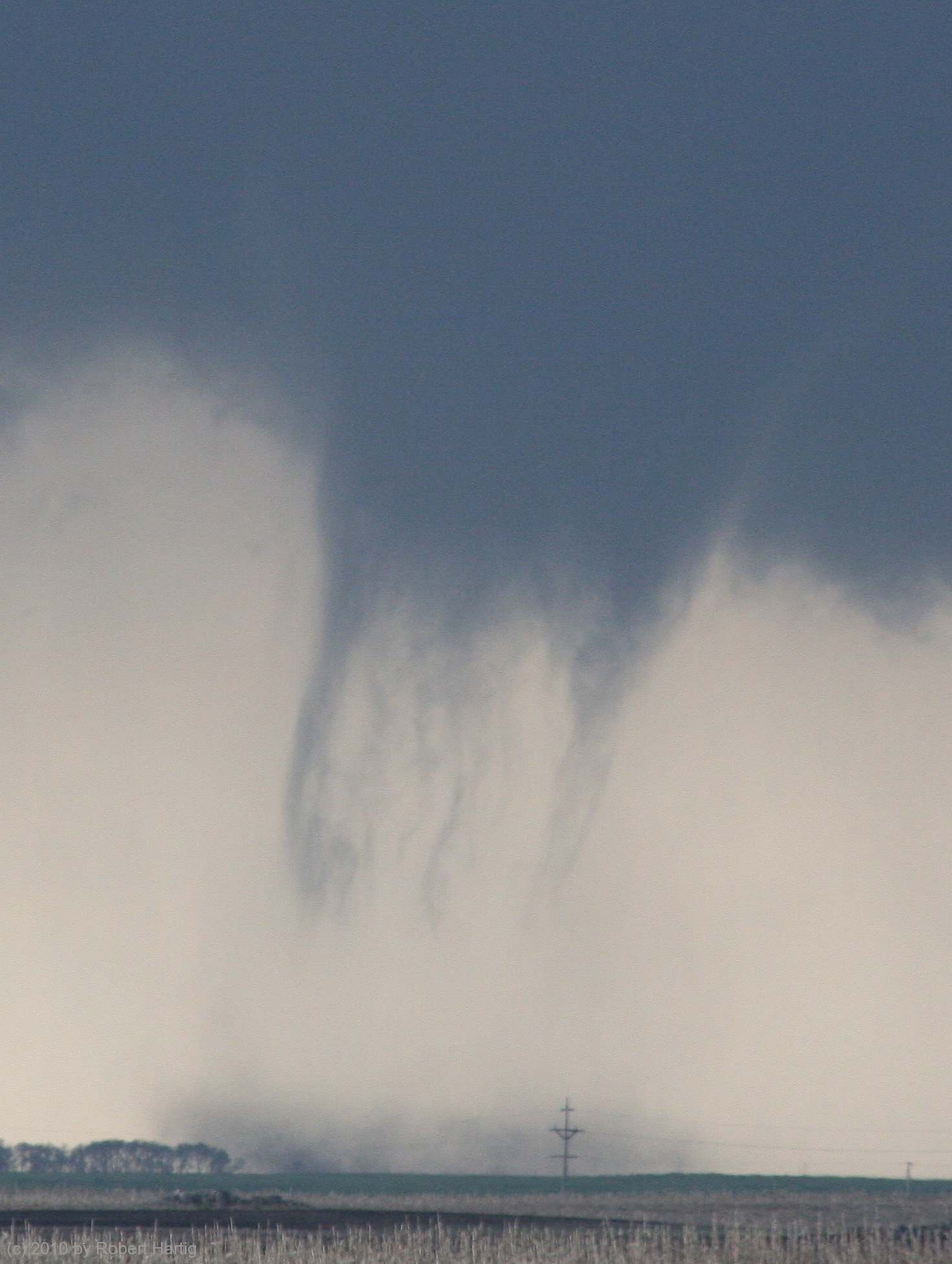
More recently, I finally got a good firsthand look at extensive, small-scale vortices on May 22 this year in South Dakota. The much smaller, highly photogenic tornado that followed the massive and violent Bowdle wedge was a shape-shifter that went through some fascinating transitions. Parking itself in a field a mile northwest of our vantage point, unobscured by rain, it was beautifully visible and offered a study in multiple vorticity throughout its life. For me, the high point was when the funnel assumed the form of a truncated tube, with delicate tendrils of condensation circulating underneath it one after the other like horses on a merry-go-round. (My thinking is that a pocket of drier low-level air stripped out condensation except in the places where the vortex strands rendered the pressure low enough to make themselves visible.)

In the photo (click on the image to enlarge it), some of the vortices are apparent, but if you look closely, you’ll notice that some of the larger vortices actually appear to be made up of more than one vortex strand. You’ll also see a tendril or two appear to branch off. In all, I’m able to make out eleven strands, ranging from the obvious to the nearly undetectable. Granted, I may be pushing things; my point is that the circulations in this tornado were numerous, varied in scale, and complex. I suspect that there were even more vortices present than meets the eye, but I’m not going to force the issue because I’m no scientist, just a thoughtful observer with an aversion to crackpotism.

If there’s any recent weather-related post on this blog that I hope will draw some solid, informed comments, it’s this one. I’d love to get the opinions of others in the storm chasing community; and while I don’t expect that it will happen, I’d be extremely interested in hearing from those who are actually involved in tornado research.

Sandhill Cranes

The GFS continues to show hopeless ridging throughout most of October. I hardly pay any attention to the long-range forecast models these days, just mention this as a note of idle interest. A trough does finally seem to shape up around 300 hours out per the 6Z run, and it could make life interesting within reach of Great Lakes storm chasers on the 27th and/or 28th. But I don’t have the heart to wishcast that far out; I just don’t believe it’ll happen..

As for the saxophone, I’m extremely pleased with my personal progress. But while I’ve been practicing a lot, my sessions have involved material I’ve already covered in previous posts, and I’d imagine the results interest me far more than they would you.

Lacking anything of great import to write about concerning either jazz saxophone or storm chasing, my radar is scanning for a topic that’s at least conceivably related to either of those two interests. Yesterday’s earthquake in Norman, Oklahoma, would do well except I wasn’t there. I hear it was a loud one, but I’ll leave the reportage to those who actually experienced the shakeup. As for me, I need something closer to home. Like sandhill cranes.

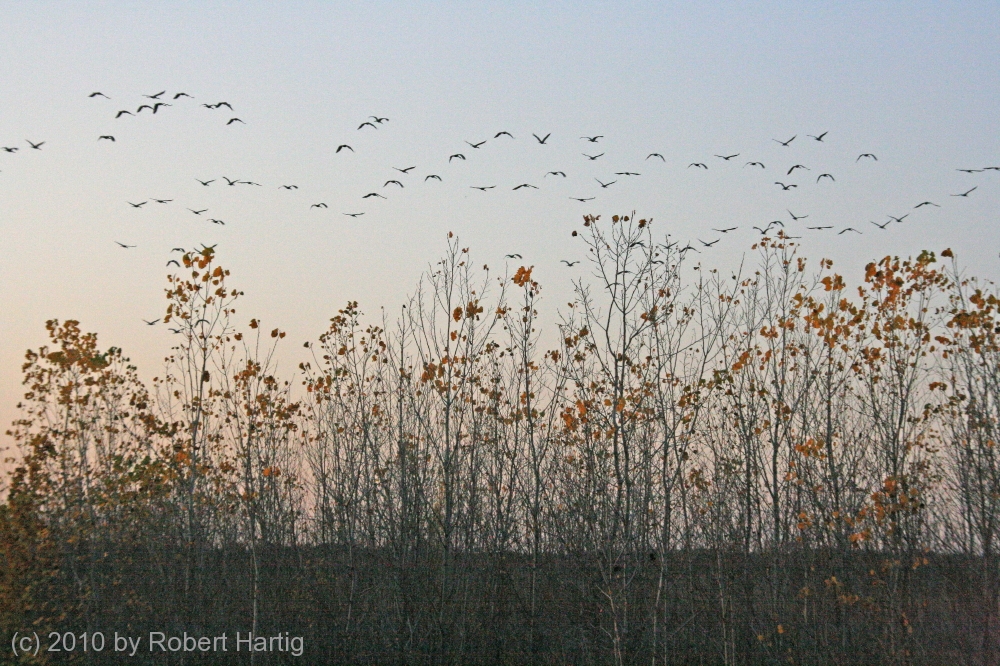
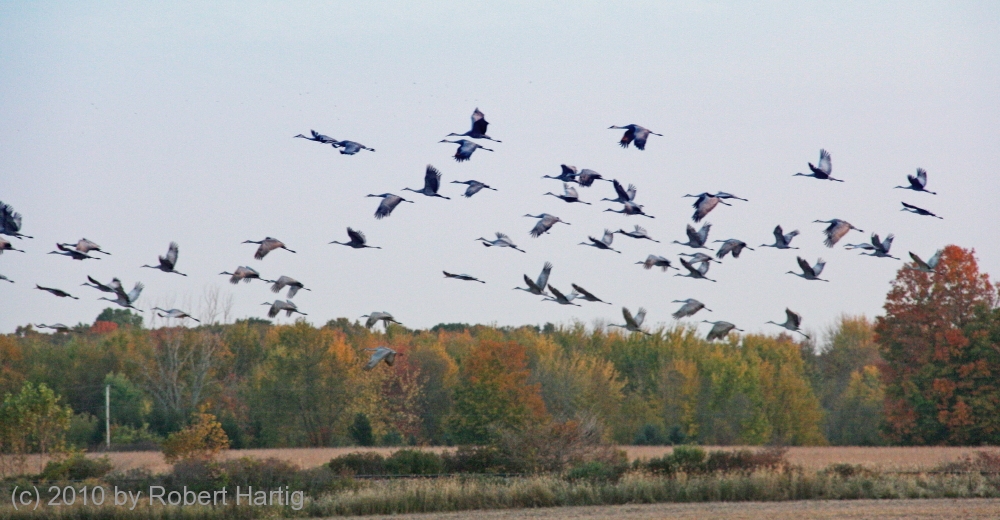
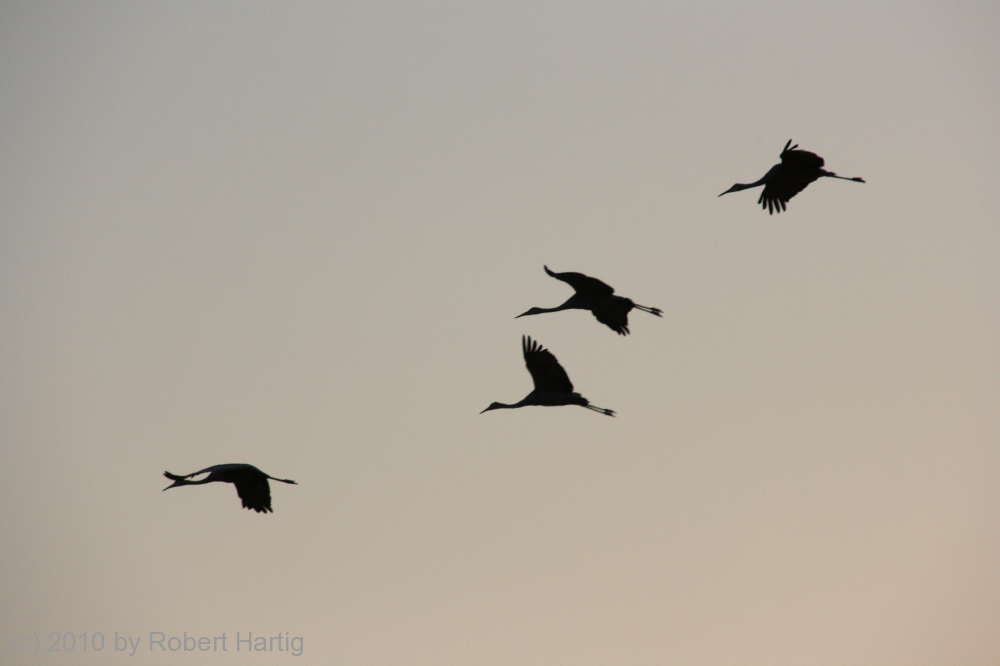
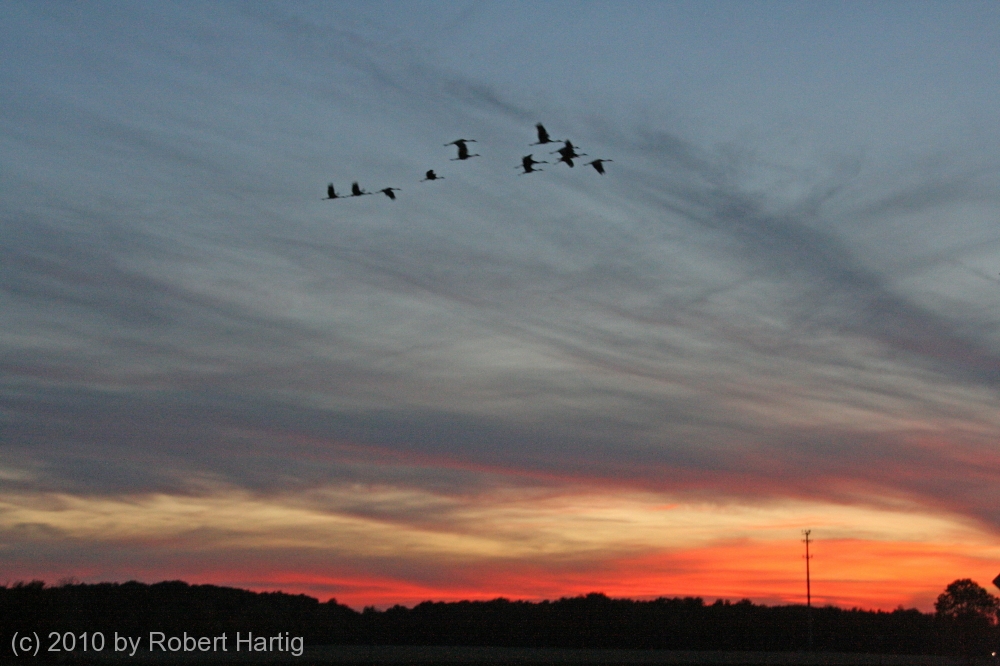
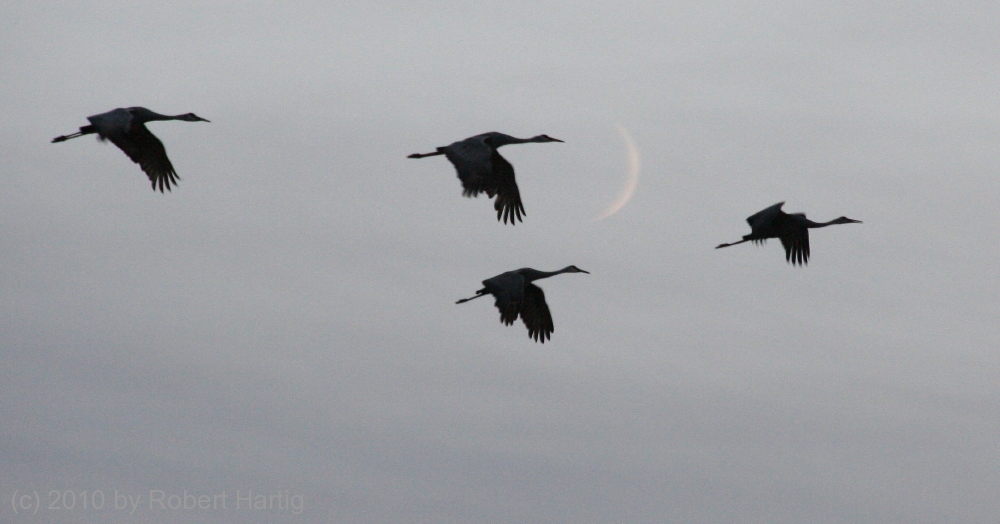
Here in Michigan, now into November is the time of year when the cranes congregate in great numbers in suitable locations that offer nearby sources of both food and cover. Sometime next month they’ll take off for warmer climes in southeastern Georgia and Florida. Meanwhile, this ridging that has quashed the so-called “second season” for storm chasers has provided glorious weather for the sandhill cranes and sandhill crane watchers. The Baker Sanctuary northeast of Battle Creek and the Phyllis Haehnle Memorial Sanctuary near Jackson are well-known staging areas for massive numbers of the birds. However, I’m fortunate to have a location much closer by where over 100 cranes hang out, foraging in a field across the road from a marsh where they shelter for the evening.

Mom and I went out there Sunday evening. It was a blessing to spend the time with my sweet 85-year-old mother, watching the sandhills feed; listening to their captivating, ratcheting calls; witnessing their sporadic, comical, hopping dances; and waiting for them to take off and fly overhead en-masse into the marsh at sundown. Here are a few photos for you to enjoy.

Guest Post: Saxophone and Storms

Every once in a while I like to feature a post by a guest blogger from the worlds of either storm chasing or jazz. Today let me introduce to you my buddy Neal Battaglia. Neal is a tenor man who maintains a wonderful blog on jazz saxophone called SaxStation.com. The site covers acres of territory of interest to saxophonists. If you’re not already familiar with it, then you owe it to yourself to check it out.

After contemplating the nature of my own site, with its odd blend of wild winds and woodwinds, Neal is here to share his thoughts in a post titled…

Saxophone and Storms

By Neal Battaglia, SaxStation.com

Initially, storms and saxophones seemed an odd combination to me.

On this site, I would read Bob’s posts on saxophone, but not always the ones about storms.

However, when I thought about it for a minute, a number of musicians enjoy nature and are inspired by it. And storms are some of the most extreme examples of nature.

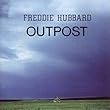
One of my favorite trumpet players, Freddie Hubbard, had a record called “Outpost.” The cover shows a lone farmhouse out in a wide-open plain with a storm beginning to brew overhead. When you listen to the tracks, you really hear the movement of the storm–the lead-in to it, the calm in the middle, and the conditions afterward.


My all time favorite saxophone player, Stanley Turrentine, recorded an album called “Salt Song.”  On it is a tune that I like a lot called “Storm.”

These two masters both took musical ideas from many places, reminding me that music is a reflection of our experiences. Your life comes out to be shared with the audience when you improvise on saxophone and write music.

In October of 2009, I took three planes across the country to Nashville and eventually arrived in the backwoods for a “music and nature” class. It was an awesome experience.

The guy in charge of that class recorded an album called  “‘Thunder.”

Nature in general and storms specifically seem to act as a muse for musicians. They are something that we all experience (although possibly less if you’re an extreme city slicker). And music transcends language barriers.  So you can feel storms by listening.

No Second Season? Please Say It Ain’t So!

I’d been looking forward to the shift in weather with fall’s arrival, but now that autumn is officially here,  I dunno, boys and girls. I’m beginning to suspect that the mythical “second season” may not materialize for storm chasers this year–not in the Great Lakes, anyway. You folks out west will no doubt get your little romp, but up here in the tundra land of Michigan instability appears to be a thing of the past. I have to remind myself that it’s been only a week since one heck of a squall line blew through and caused extensive tree damage in my area. A couple of days later, though, as the system lifted out of the region, the moisture gave way to the relentlessly dry, crystal-blue skies of autumn, and I have the unsettling feeling that the die has been cast for the remainder of the year.

Today’s 4-8 day outlook from the SPC doesn’t make me feel any better about our immediate prospects:

 VALID 021200Z - 071200Z

   ...DISCUSSION...
   MODELS ARE IN GOOD AGREEMENT WITH THE PATTERN EVOLUTION THROUGH
   ABOUT SUN/D5 WITH LARGE TROUGH AMPLIFYING ACROSS THE GREAT LAKES AND
   ERN STATES AND AN UPPER RIDGE OVER THE ROCKIES. THIS PATTERN WILL
   RESULT IN A LACK OF INSTABILITY E OF THE ROCKIES WITH HIGH PRESSURE
   AT THE SURFACE. 

   WHILE THE TROUGH IS FORECAST TO LINGER IN SOME FORM OVER THE ERN
   CONUS...THERE IS MUCH DIFFERENCE ASSOCIATED WITH THE BREAKDOWN OF
   THE RIDGE AS A NEW TROUGH AFFECTS EITHER THE PACIFIC NW/GFS
   SOLUTION/ OR THE ENTIRE W COAST/ECMWF SOLUTION/.  REGARDLESS...THERE
   IS LITTLE CHANCE OF SEVERE WEATHER GIVEN MEAGER MOISTURE AND
   INSTABILITY.

   ..JEWELL.. 09/29/2010

“Lack of instability..little chance of severe weather…meager moisture…”–mmmph, doesn’t sound very promising, does it? I console myself with the thought that autumn has barely begun, and a nice fetch of moisture can still come chugging northward on the leading edge of some great dynamics to make life interesting. It happened as late as November 10, 2002, in Van Wert, Ohio. It happened just three years ago on October 18, 2007, across the Midwest, including here in Michigan. So my rule of thumb is, don’t pack away the laptop until the snows fly.

Still, as daytime temperatures retreat into the mid 60s and dewpoints drop to 50 degrees and below, it’s kind of hard to believe that the end of the parade isn’t long gone, and that last week’s wind event wasn’t just the cleanup crew. Good thing that this season’s “Storm Chasers” series will be airing soon and letting us all relive the glory days of 2010. After that, though…man, it sure is a long stretch from here to next March.

A Real Michigan Squall Line

Man, what a great storm we got last night here in Caledonia! Though actually, I can’t say exactly how it was in Caledonia because I was in my car tracking with the squall line, belting eastward down 100th St in a frenzied attempt to catch up with and outpace the gust front.

I didn’t succeed. Just west of Alden Nash Avenue, a large tree blocked both lanes of the road. Pulling into a driveway, I phoned in a report to KGRR, then managed to squeeze around the treetop and continue on.

Just south of Alto on Alden Nash, traffic was stopped where another large tree had fallen. I turned around and headed east on 76th St only to encounter yet another good sized tree lying on the road. I slid past this one as well, and then, after phoning in another report, completed the big block back into Alto and fueled up at the gas station.

At this point, I had my buddy Bill Oosterbaan on the phone. He was down in Tennessee, but he was following the storm on radar. Since I was chasing sans laptop, I wondered where the line was now located. With I-96 just a couple miles north of me, I had a half-cocked notion that I might still have a chance of catching up with the front of the storm once I hit the Interstate. But Bill informed me that the storm was already halfway to Lansing.

No real surprise there, but nevertheless, nuts. End of chase. Still, there was plenty of lightning crawling the clouds to enjoy. So with my fuel tank replenished, I caught 68th St east and soon found myself once again having to grease my way past a downed tree. Nasty, scraping sound–ugh!

My thoughts turned to Ben Holcomb. Oh, he’d be having a picnic with this system, I thought. Why he ever left this storm chaser’s paradise called Michigan for Oklahoma City I’ll just never understand. Might as well rub some salt into the wound. So I gave him a call, and he told me that he, like Bill, had been tracking the storm front on radar. He informed me that he’d observed base level winds of 88.5 knots on GR2AE. Over 100 mph! Zounds! That, if you please, is one sweet little zephyr. I doubt winds reached quite that speed anywhere on the ground, but we most certainly got one heck of a blow. I’ve encountered my share of trees blocking roads, but I’ve never had my progress consistently blocked by them. Driving through the Alto area last night was like navigating a maze and hitting dead end after dead end.

More weather is on the way later today as a warm front lifts north through Michigan. With 0-6km shear around 55 knots forecast, things could once again get interesting.

Troughy Weather for Next Week

Here on the back end of a 996 mb low, dry Canadian air has dropped the moisture along with the heat in Caledonia, Michigan. We’re presently socked in with clouds, and temperatures are supposed to peak at just 65 degrees. It feels a lot like fall outside.

This latest cold front has meant business, and to me it signifies the arrival of autumn’s transitional weather pattern–a time when the upper atmosphere begins to cool and conditions become more conducive to bouts of severe storms.

Our next round of stormy weather may be arriving by next weekend. Granted, it’s pretty early to be looking so far ahead, but the SPC has been eyeballing the next trough in their long-range discussions with a good amount of confidence. Seems like a question not of whether something will happen, but when.

Not having access to many of the SPC’s forecasting tools, I have to go by what’s available to me. The GFS and Euro both depict a pretty deep trough. The GFS, typically, wants to move it along faster than the Euro, but both models agree that there will be something there to move. Both also show a robust surface low developing and drawing in dewpoints in the mid 60s. The northern plains may get hammered later this coming week. By the weekend, Michigan may get a crack at some severe storms. Or not. The crystal ball is murky this far out, and as always, the caveat is, we’ll find out when we find out.

Whatever happens, it’s nice to think that the weather machine may be lurching out of the summer doldrums and getting set to ramp up the action. September furnishes some nice opportunities for taking photos of squall lines blowing in at the lakeshore. Maybe this will be one such occasion. Maybe it’ll be even better than that. It’s not premature to cross our fingers.

Review: “Bullseye Bowdle” DVD

It all came back to me yesterday evening, just as if I was once again sitting in the front seat of Mike Kovalchick’s Subaru Outback blasting east down US 12 in South Dakota. There it was–the Bowdle wedge, seething like a boiling, black cauldron in the field north of our vehicle.  Thanks to a beautifully produced new DVD, my buddies Tom, Bill, and I relived what was unquestionably our most unforgettable chase of the year.

To the guys at Convective Addition: Bravo, gentlemen! “Bullseye Bowdle” is a superb chronicle of the amazing May 22 north-central South Dakota cyclical supercell. From the first tornado of the day, to the massive, violent Bowdle wedge, to the infamous “farmer’s field” debacle, this video provides those who chased that day with an opportunity to relive its events, and those who didn’t with the chance to drool over what they missed.

I spotted our Michigan contingent–consisting of Bill and Tom Oosterbaan, Mike Kovalchick, and me–in a number of scenes. Hey, now we’re stars! Or just walk-ins, I suppose. Getting filmed on various chase videos that day seemed almost inevitable, since everyone out there was tracking the same slow-moving storm, albeit approaching it from different angles. “Bullseye Bowdle” does a splendid job of presenting multiple perspectives on each tornado.

The storm structure that day ranged from breathtaking to unbelievable, and this video captures it all, from storm initiation to the phenomenal, bell-shaped meso with an immense cone/quasi-wedge beneath it west of Bowdle, and plenty more. Of course, the powerful Bowdle EF-4 wedge is the show’s main act. But the graceful, highly photogenic tornado that formed northeast of Bowdle after the wedge dissipated is also spotlighted, and deservedly so. If you want to get a good look at multi-vorticity, check out the braided appearance of this tornado. During its truncated tube phase, it looks as if it were literally woven out of delicate, pirouetting vortices, like a strand of yarn in which you can see all the individual threads–simply amazing, not to mention quite beautiful.

And then, yes, there is the farmer’s field. Those of us who were there will never forget it: our narrow escape from disaster, and the craziness that followed. Having survived both the tornadoes and the ensuing lunacy, each one of us has a story to tell, and it’s nice to see part of that story dramatized on film. I love the footage of the drill-press tornado! But for me, the most jaw-dropping part is Adam Lucio’s segment of a tornado forming right by the vehicles, not more than 30 feet from one of them. I failed to witness that spectacle when we were actually sitting out there in the middle of the South Dakota prairie, but the video shows it clearly. It was a moment worthy of every expletive under the sun, or in this case, the mesocyclone.

My favorite comment in the video occurs as two sets of headlights appear on the horizon, heading toward us through the darkness. Adam Lucio: “Off in the distance we can see help is on the way.” Ha! Not quite. Swap out the “P” in “help” for a second “L” and that assessment would have been spot-on. I can’t make a blanket indictment of the locals since some of them were decent folks, sympathetic, and extremely helpful, and the land owner’s initial anger was understandable; but there were others who in my opinion behaved–how shall I put this? I’ll say it delicately–like wholesale, unmitigated, gold-gilded, rhinestone-encrusted, butt-drunken, power-abusing, 24-karat jerks.

Okay, I got that out of my system. Moving right along: The Convective Addiction crew have thoughtfully included a section featuring a time-lapse chronology of the storm as it busted the cap and began spitting out tornadoes. The value of this section, besides the fact that it’s just plain fun, lies in how the faster motion highlights aspects of the storm that I normally wouldn’t have noticed. It’s fascinating, for example, to watch the dramatic, cascading interaction between the flanged meso and an adjacent inflow band as the RFD carves a clear slot between them.

The video concludes with a well-presented synoptic and mesoscale overview of May 22, 2010 which does a good job of describing the setup. I don’t recall (and can’t check, not owning my own BlueRay player) whether it discussed the cap, which was the big forecasting question mark for that day. But the cap obviously blew, and the meteorological analysis does a good job of showing the ingredients which combined to make May 22 such a dramatic chase.

Besides some fantastic footage, Convective Addiction has also selected some tasty music for their sound track. However–and this is something I appreciate–they use the music judiciously, not to the point of overkill. In a chase video, I want to hear the reactions and interactions of the chasers; the sound of the wind, the rain, the passing traffic, and hail pelting the windshield; the real-life environmental stuff. That’s part of what puts me in the picture, and the storm chasers who produced this video clearly feel the same way. I know these guys like their jams, but in “Bullseye Bowdle” they wisely focus on the storm, the tornadoes, and the human element of the chase.

If I have any critique to offer, it would be that in their next video–and I hope there will be a next, and many more to follow–the editors of Convective Addiction might consider offering a brief wrap-up where appropriate in order to avoid the somewhat jarring effect when a video segment ends abruptly.

Bottom line: If you’re a storm chaser or just enjoy watching storm chasing videos, then “Bullseye Bowdle” is a must for your DVD collection. It’s available in both standard resolution and BlueRay at Convective Addiction.

——————–

For the sake of complying with new federal regulations, whether real or imagined: This review is not a paid review. I’ll gladly write reviews for pay. In this case, though, I bought the DVD with my own sweet shekels and I’m writing purely because I like “Bullseye Bowdle” and think you will too.

Warmest West Michigan Summer in 55 Years

This summer of 2010 has been the warmest summer in West Michigan since 1955, according to WOOD TV meteorologist Bill Steffen. Temperatures in the 90s have predominated, with dewpoints in the upper 70s,  and Lake Michigan water temps–in the mid 70s this morning–have been as high as 80 degrees. That’s like swimming in bathwater, and I’m not even referring to the lake–I’m talking about just stepping outdoors.

We made it as high as 93 degrees yesterday, and it looks like hot temperatures are going to hang around for a few more days until a weak cold front modifies things a bit and hopefully brings a few storms to make life interesting. I’m all for hot and sticky under the right circumstances, but a glance at RAOB model soundings for RUC and NAM shows utterly placid conditions. Winds at 500 millibars are doddering along at a geriatric 10-15 knots, and the rest of the atmosphere is keeping pretty much the same pace.

The great storms of May and June are so far past that they seem like ancient history. Who all besides me is ready for a nice, deep trough to come sweeping across our area? Patience, patience, lads and lasses. The fall season is coming. This stifling heat and humidity will soon get stirred up with episodes of cooler air sweeping in from Canada, and the weather machine will kick into gear once again. Then we can all fire up our laptops and Rain-X our windshields for one last blast before the snows fly.

Great Lakes Waterspout Season Is at Hand

Now is the time of year when waterspouts start putting in an appearance on the Great Lakes. I had largely forgotten about spouts until a few days ago when my friend and fellow weather weenie Mike Kovalchick mentioned them in an email. Bing! A light blinked on in my head: That’s right! Waterspouts!

I’ve never seen a waterspout. But then, until last year about this time with my buddy Kurt Hulst, I’d never made a point of going out after them. Kurt and I busted that day, but maybe this year I’ll get lucky, provided I increase my chances by taking more opportunities to chase spouts.

I have zero experience forecasting waterspouts. Thankfully, there’s a snappy little graph called the Waterspout Nomogram that simplifies the process. Developed by Wade Szilagyi of the Meteorological Service of Canada, the Waterspout Nomogram provides a quick visual aid for determining when certain critical parameters are in place for four different classifications of waterspout: tornadic, upper low, land breeze, and winter.

The tornadic variety is self-explanatory, and any storm chaser with some experience making his or her own forecasts should have a good feel for when that kind of waterspout is likely. Mike favors the 500 mb cold-core, closed low setup, which to my thinking may be a variant of the first in producing low-top supercells. The remaining two, land breeze and winter, seem to involve different dynamics. For all the waterspout categories, one of the constraints is that for spouts to occur, winds at 850 mbs have to be less than 40 knots, something I find particularly interesting in the case of supercell-based waterspouts.

In any event, I’m hoping that this year is my year to finally witness a spout or two. Michigan chasers and weather weenies, it’s time to pay attention to the marine forecasts. The “second season” can include action right along the lakeshore even when nothing’s popping anywhere else. Make sure you bring your shotgun just in case a waterspout gets too close for comfort (written with a wink and a grin).