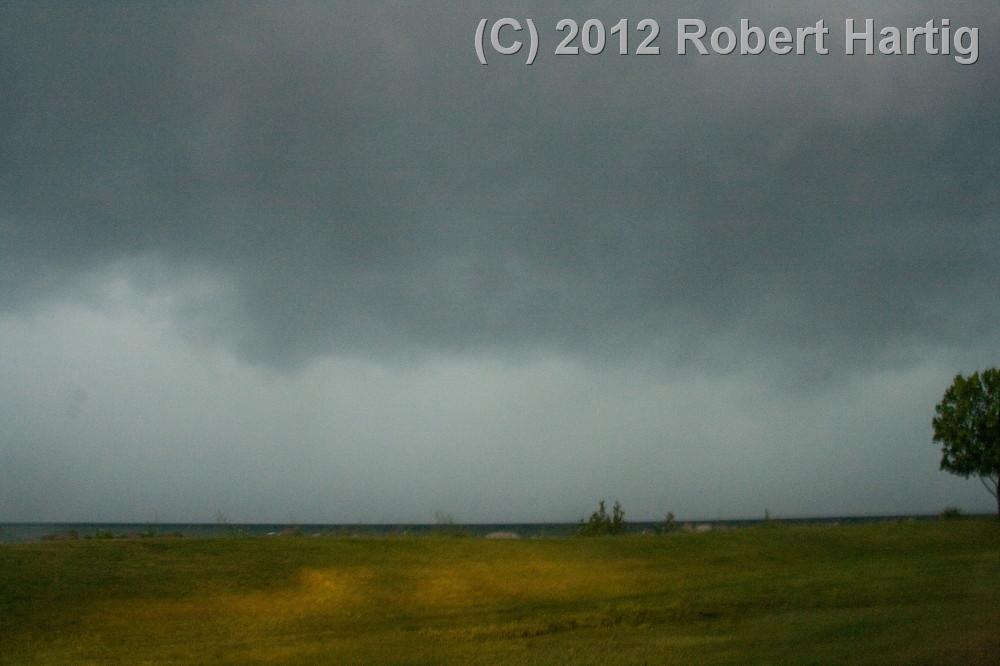
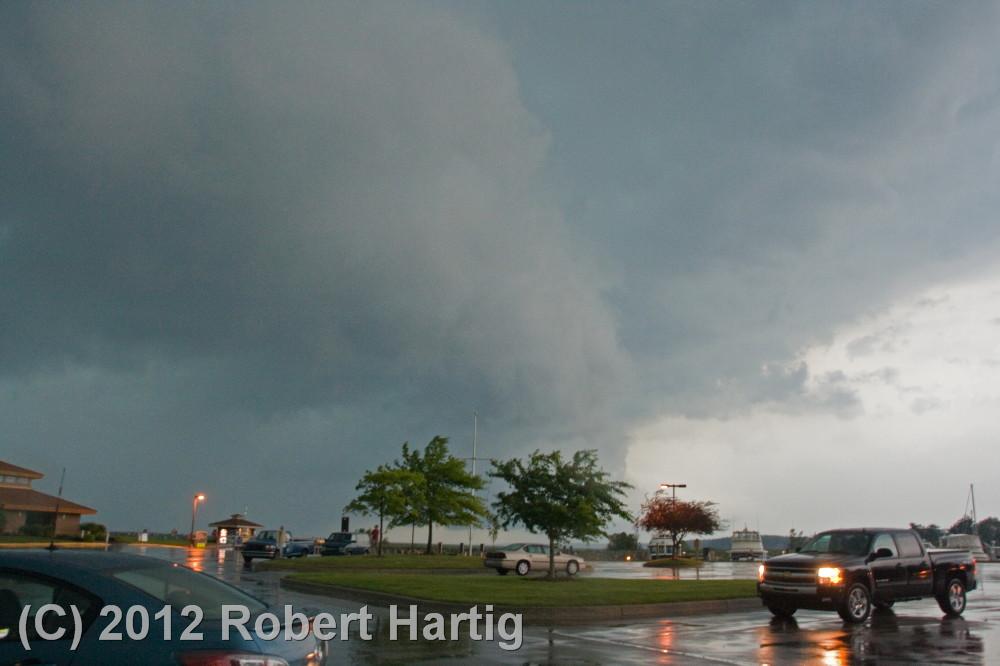
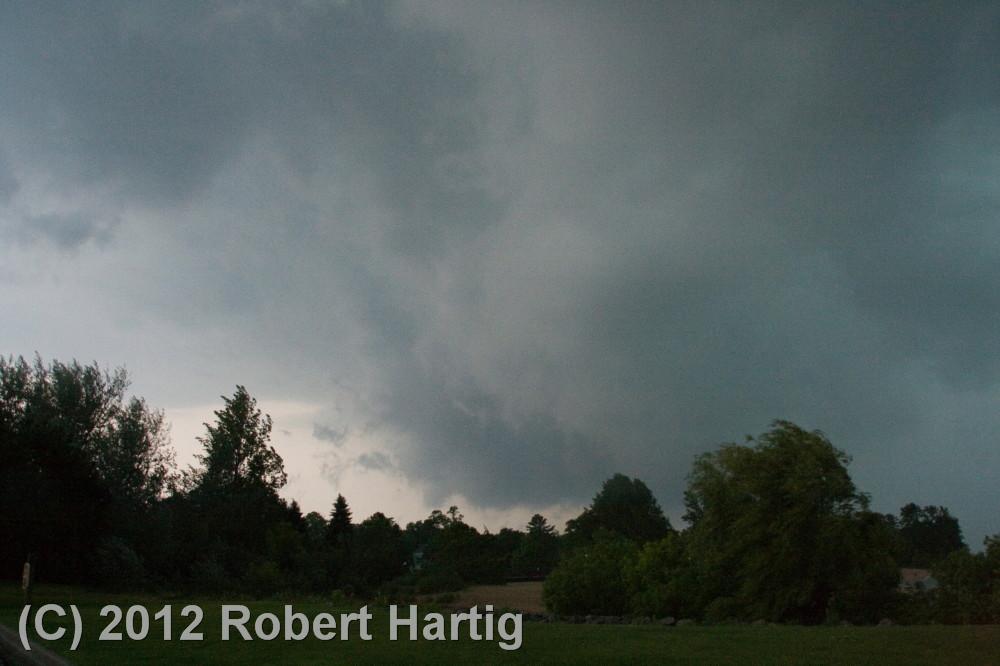
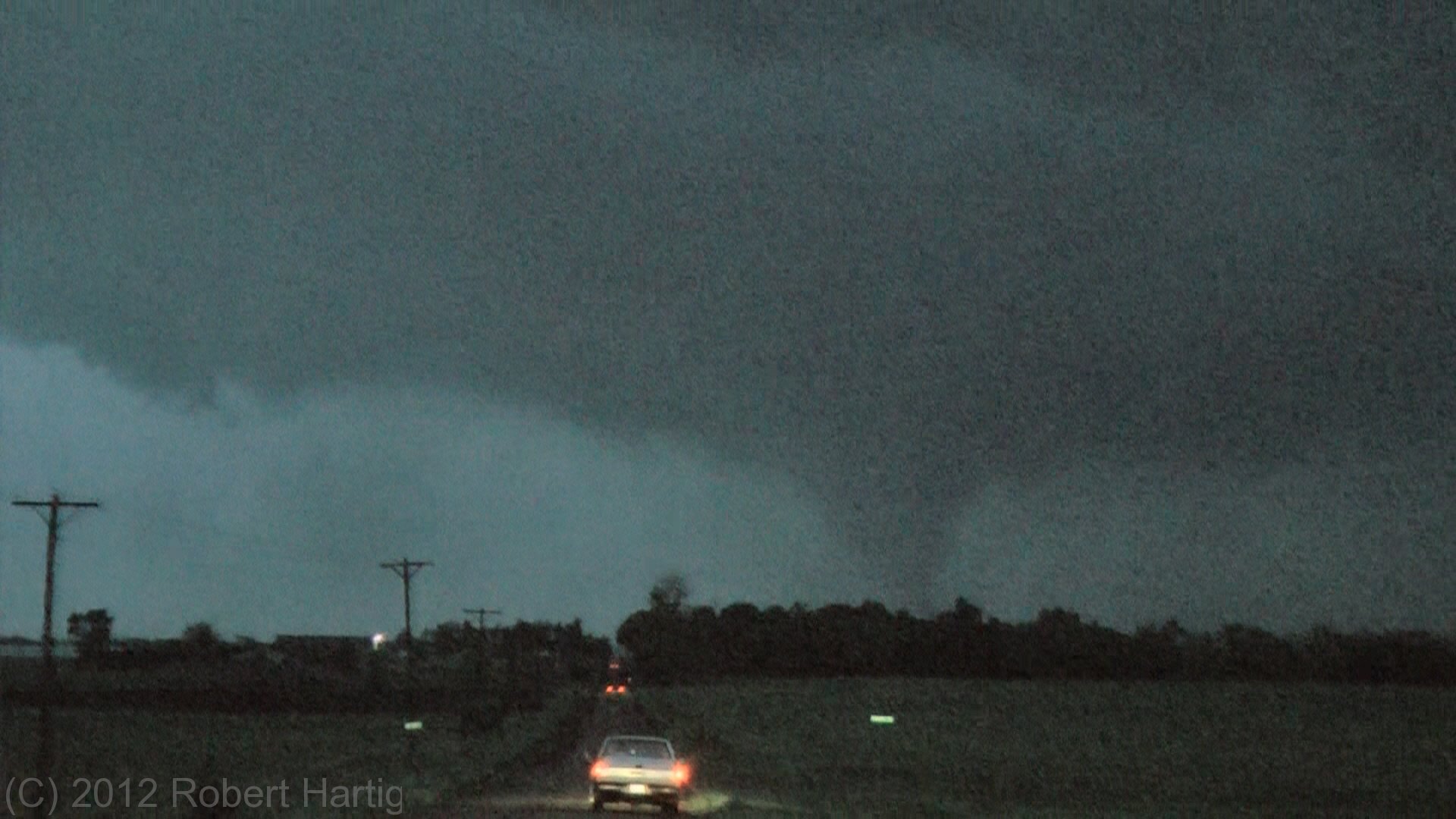
A Session with the Doc

This storm season of 2012 started with a bang but then rapidly fizzled into a pathetic whimper. Now summer is here, and with the mid-levels heating up and dewpoint depressions widening to the point where one needs binoculars in order to see the cloud bases, I’m sensing the onset of Supercell Deficiency Syndrome (SDS).

I hate that feeling. Half the time I want to curl up in a dark corner like a giant pillbug of despair, and the other half, I want to go out and beat the tar out of the first stupid simile I encounter and then run naked through a funeral parlor. SDS is not a pretty thing, and mine does not improve as I get older.

So this year I’ve decided to meet the malady at its onset with aggressive therapy. Today I had my first session. As you can see from the following transcript, it went beautifully.

—————

Psychiatrist: Okay, Bob, I’m going to show you a series of images, and I want you to tell me what each of them reminds you of.

Me: A tornado.

Ps: All of them collectively remind you of a tornado? How do you know? You haven’t seen any of them yet.

Me: Nevertheless, they remind me of a tornado.

Ps: All of them?

Me: Try me.

Ps: <Hrrummph!> … Very well, let’s proceed. [Shows me a large black blob on a sheet of white paper.] What does this look like to you?

Me: A tornado. Didn’t I tell you? A niiiiice condensation funnel lowering into the middle of a great big grassland, with really cool suction vortices swirling around its periphery and…

Ps: Yes, yes, that will be fine, Bob. Now what about this image? [Shows me another blob. I don’t know why he’s asking. This one is clearly…]

Me: Wow! AWESOME wedge! Where was that? Is that Manchester? Man, I wish I’d been there!

Ps: Most of my clients see a butterfly.

Me: Yeah, well, most of your clients are several boogers shy of a sneeze. Dang, what a monster!

Ps: [Arching one eyebrow and chuffing thoughtfully on his pipe.] This promises to be an interesting session. [Shows me yet another blob.] Don’t tell me you see a tornado in this too?

Me: Stovepipe. Plus some really nice structure, very impressive. That is one wild-looking tail cloud! Where are you getting this stuff from, anyway? Hey, wait a minute … that looks like one of Mike Hollingshead’s shots from Hill City. I hope you got his permission.

Ps: I don’t know who Mike Hollingshead is, and this is not a photograph. It’s a Rorschach inkblot, and I don’t understand how you’re seeing so much detail in it.

Me: [Chuckling.] I’ve made it my business to notice the details, Doc. For instance, looking at this next image, which is clearly a nice elephant’s trunk, I can see a clear slot wrapping nearly all the way around the funnel. The tornado is in the process of occluding–see how it’s tilting?

Ps: [Leaning in for a closer look.] I’m trying. Hmmm … yeah, I think so. Kind of.

Me: It’s getting set to rope out. Another minute or two and it’ll be gone–and meanwhile, keep your eyes peeled for another circulation to start forming right about where–hmmm …

Ps: What?

Me: We’re in kind of a bad location, Doc. I think we need to reposition.

Ps: Bob, we’re in my office and it’s a beautiful day outside. There’s absolutely nothing to worry about.

Me: But …

Ps: Now, what do you see in this next image?

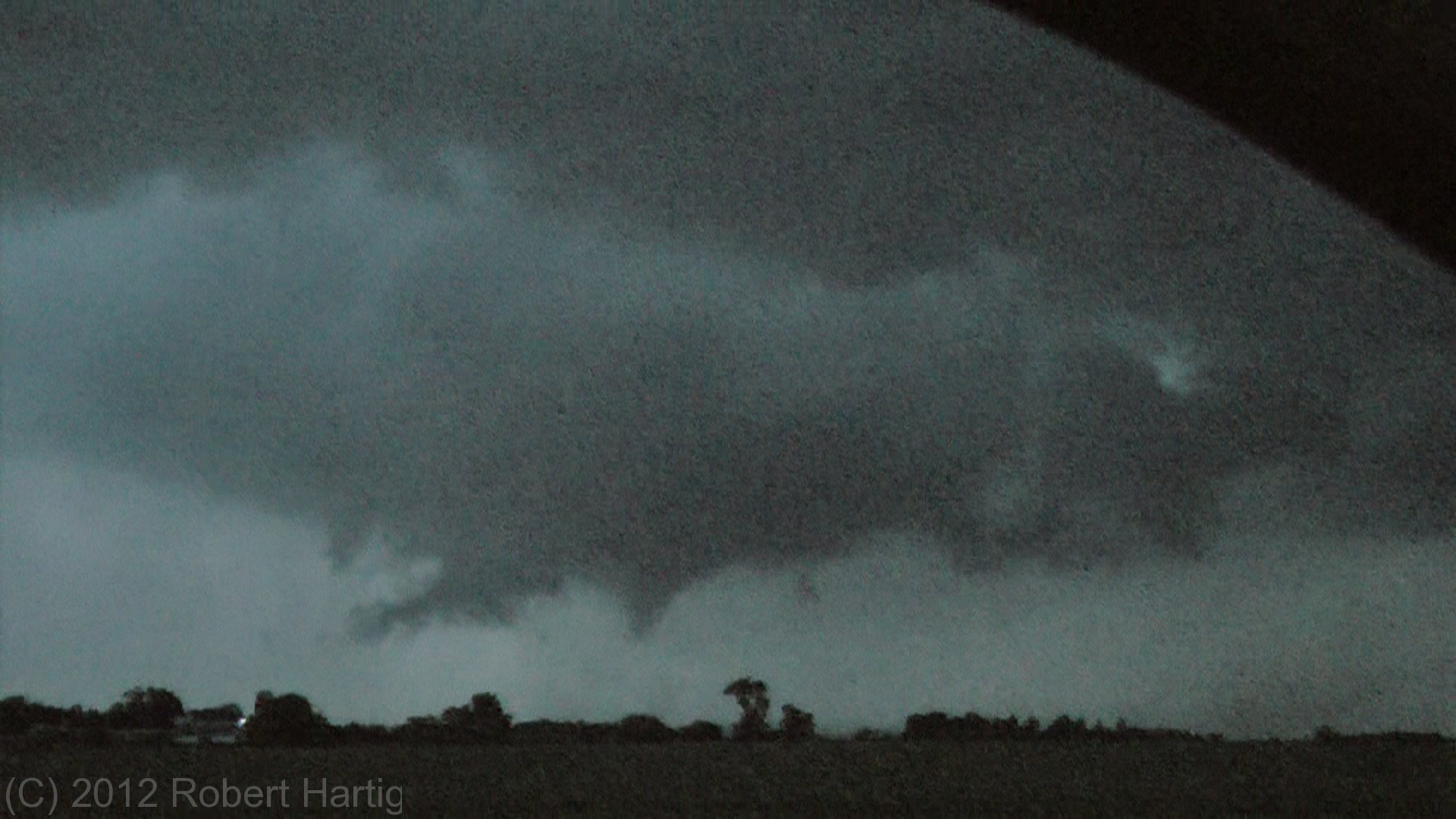
Me: Looks like the same storm, only a couple minutes later. The edge of the meso is right overhead and a cone is starting to drop. Doc, I really think we should …

Ps: [Smiling at me sagely. I hate it when people smile at me sagely.] Bob, trust me, we’re fine right where we are. Repeat after me: “I am not out in the field chasing storms. I am in my therapist’s office. There is no storm. I am perfectly safe.”

Me: There is no storm. I am perfectly safe. But Doc …

Ps: Perfectly safe, Bob. Just tell yourself that. You need to replace your negative self-talk with positive affirmations. Now, let’s take a look at this next … hey, what happened to the sunlight? All of a sudden it’s pitch black outside.

[The sound of a mighty wind swells up out of nowhere, rapidly intensifying to a deafening roar. The windows shatter. One wall rips away, revealing a millrace of debris blasting through the street. A cow flies across the room and a combine crashes through the ceiling, landing directly in front of Doc’s desk. A playful little vortex finger snatches away his toupee. Then, just like that, the pandemonium ceases and all is still except for the clatter of errant pieces of lumber falling to earth.

Doc is still sitting in his chair, wrapped around with pink insulation. His eyeglasses are crooked, his pipe has been replaced with a large cigar, and there is a wild look on his face.]

Ps: What the hell … what the bloody hell?!!

Me: I tried to tell you.

Ps: But … but …

Me: Doc, this has been a great session! I can’t tell you how much better I feel already. I never thought that just a few minutes with you could make such a difference.

Ps: But …

Me: You, sir, are a genius, that’s all. A genius! I hope we can have lots more sessions just like this one.

Ps: *%@#!!!!

Me: Could you repeat that for me, Doc? I want to write it down–it’s pithy and I’m sure it’s valuable. Wait, never mind, I recorded our whole session so I can review it later.

Well, time’s up and I’ve got to get to another appointment. I’ll just clamber over the remnants of your office and be on my way. But I’m going to call and schedule another session with you as soon as you’ve got your clinic rebuilt. Good luck with that, by the way. Yeesh, what a mess!

——————–

That was just a few hours ago. I felt so depressed when I walked into my session with the doc, but now I feel great! It’s amazing what a good therapist can accomplish in just a single visit, and I can hardly wait for my next appointment. I have a hunch, though, that it may not be for a while.
Bow Echo at Elk Rapids, Michigan

Judging from the forecast soundings, it seemed that northern Michigan stood at least a chance of tornadoes yesterday evening. But the storms that first ignited in Wisconsin quickly congealed into a broken line as they crossed Lake Michigan, minimizing their tornadic potential and fulfilling the predictions of forecast models and the knowledgeable heads at the Storm Prediction Center.

I made the trip north regardless of, from my standpoint as a storm chaser, the unpromising prognosis. I hadn’t been upstate yet this year, I was itching for a bit of convective violence in any form, and the thought of simply watching a brooding shelf cloud blow in over the beautiful hills-and-water region around Traverse City appealed to me. Given ample low-level helicity between 200-300 m2/s2, I figured I stood at least a chance of getting  some rotation out of a tail-end cell or perhaps a hook-like protrusion. But I was willing to settle for less, which is what I expected and what I got.

I headed north on US 131 as far as Kalkaska. Then, with storms to both my north and west, I decided I’d be better off heading west down SR 72 and meeting the southernmost cells moving in toward Traverse City.

At Acme, I caught US 31 north, and from then on my goal was to find a good place to park and get some pics. That’s easier said than done in a landscape filled with timber. Grand Traverse Bay was almost within spitting distance, and I could see glowering, lightning-laced clouds advancing to my northwest. But, blocked by trees, the clear view I envisioned of a shelf cloud bulldozing in over the bay kept eluding me.

Finally I found myself in Elk Rapids. The town was right on the water; there had to be someplace to park with an open view.

At a stop sign, I edged out prematurely, then tapped on the brakes as fellow chaser Nick Nolte turned off the main drag in front of me. Cool–Nick was here too. I figured I’d find a spot, then give him a call. As it turned out, Nick found me first a few minutes later in the parking lot of the local marina.

“Hey, I just about ran into you at an intersection,” I told him.

“That was you?” he said. “Jerk!”

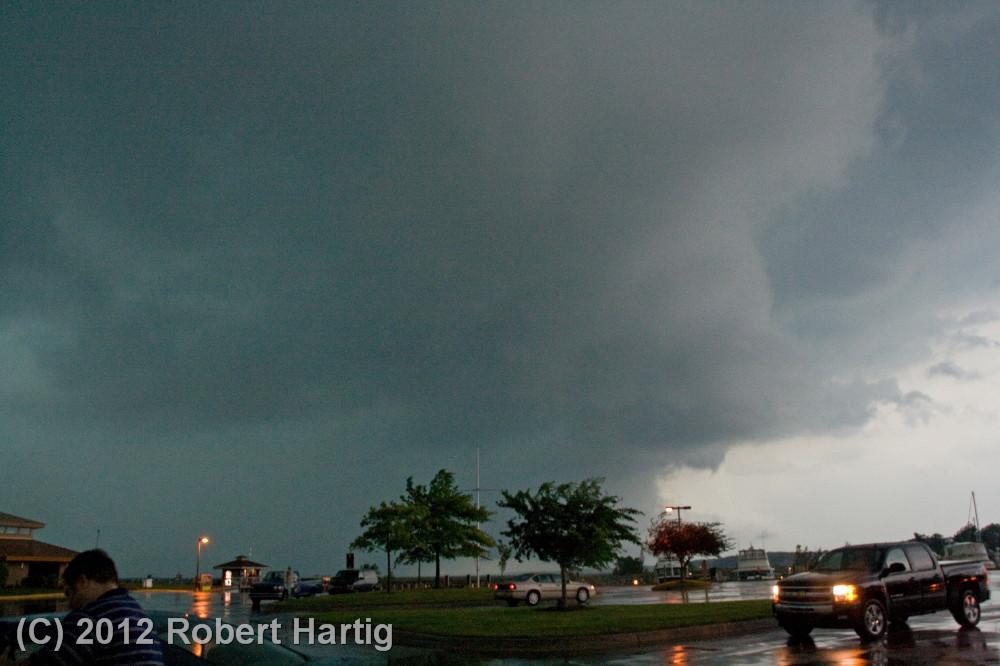
Our location was probably as close to ideal as possible, given the lay of the land. The cell to our north blew past, but the radar indicated a bow echo making its way directly toward us. I’d never have guessed from the bland-looking sky to the west. But in a few minutes, storm features began to emerge from the nondescript grayness like an old Polaroid photograph developing. A shelf cloud was advancing across the bay, growing more distinct by the second.

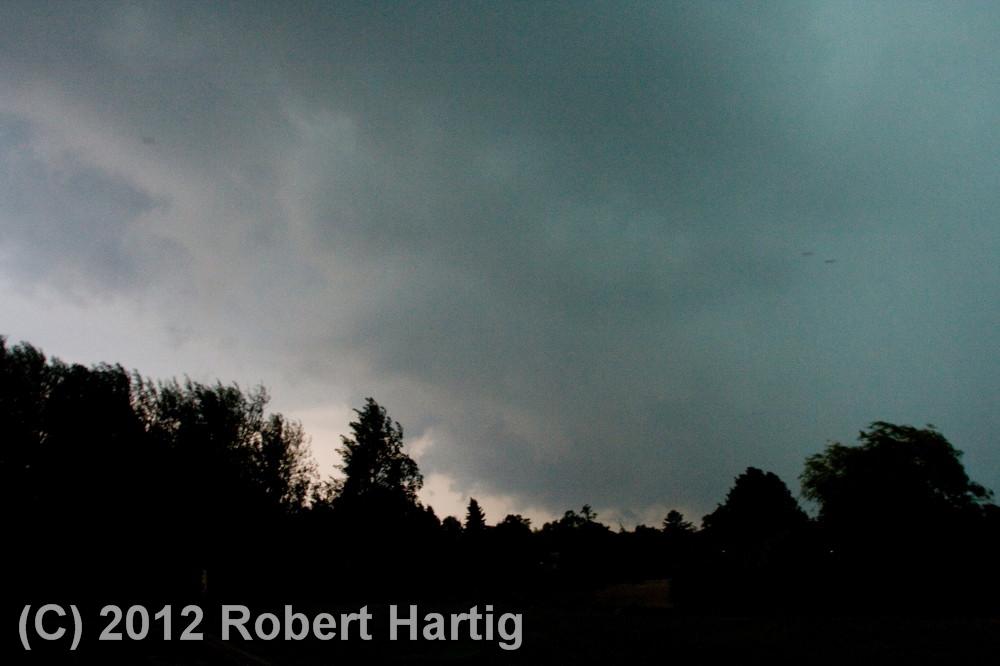
Nick hopped out of his car and tripoded his camera. I opted to go hand-held–not the best approach, but in this case a practical one. But my camera gave me grief; the shutter wouldn’t operate, and by the time I remembered that I needed to turn off the auto-focus, the shelf cloud was overhead. Nuts. I snapped the five shots you see below, then got in my car as the rain and wind descended in earnest.

The marina was right in the belly of the bow, and for a few minutes, I enjoyed a nice blast punctuated with lightning and commented on by thunder. Then the line moved off to the east. Nick and I decided to try and reposition in hopes of intercepting the southern end, but our attempt was futile. We ended the chase and grabbed dinner at a Big Boy restaurant in Kalkaska.

This time of year, any storm is a good storm–not that I’ll normally drive 175 miles just to see a bow echo, but I don’t need a Great Plains tornado to make me happy. After multiplied days of remorselessly gorgeous weather, a boisterous round of lightning and thunder always gladdens my heart and gets a shout out of me.

ADDENDUM: The tail-end cell, which had consistently displayed a hook-like appendage and shown an inclination to turn right, went on to produce an EF-1 tornado at a golf course near Roscommon, forty miles east-southeast of where Nick and I grabbed dinner in Kalkaska. The low-level helicity delivered after all. If the storms had been discrete, I suspect we’d have seen a few more tornado reports.

The Action Comes to Michigan

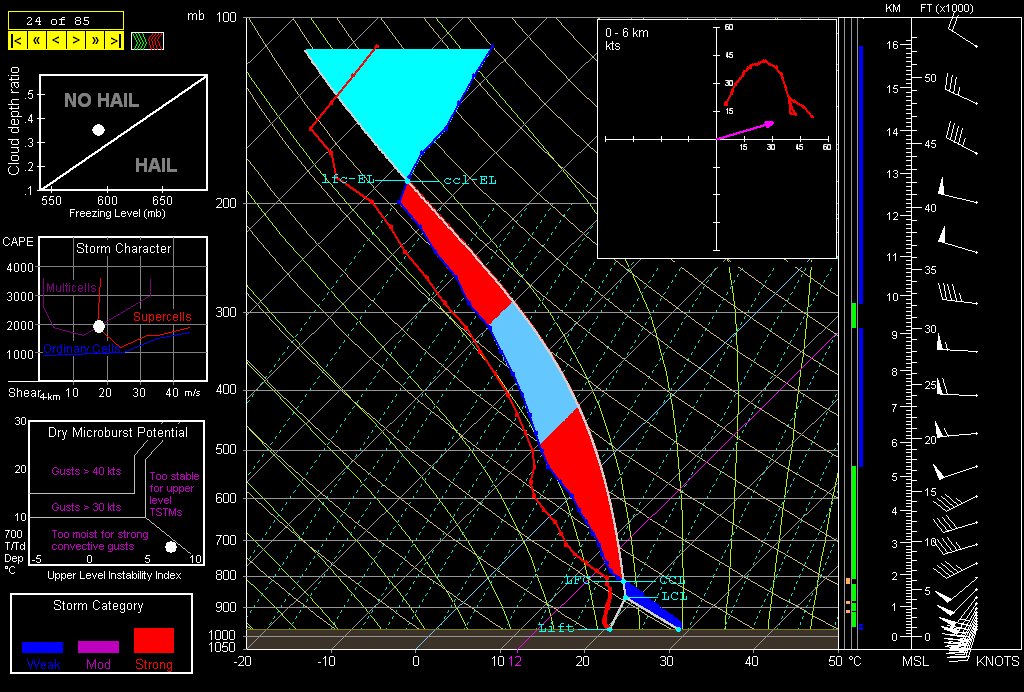
Curious about the SPC’s Day 2 convective outlook for Michigan, I ran a few forecast soundings. Good grief! I can’t remember when I’ve seen skew-Ts like these in Michigan. The one for Cadillac reminds me of June 5, 2010, in central Illinois, though I think the winds above 500 mbs were stronger in that event.

It’s late and I’m not about to write a lot. But I have a strong hunch that tomorrow early afternoon I’m going to be heading north on US 131. It’s rough chasing in that part of Michigan, but anywhere in this state is challenging, and we don’t see this kind of setup very often.

June 9, 2012, North Dakota Chase Bust: Buy My Elephant

You can’t find a more quintessential border town than Pembina. It’s the last US town on I-29 before you hit Canada two miles to the north; and just across from it, on the eastern side of the Red River of the North, lie Minnesota and Pembina’s border-town twin, Saint Vincent. Tucked away in the northeast apex of North Dakota, Pembina is as far poleward as you’re ever likely to chase storms in the continental United States unless you find yourself pursuing wedges around Angle Inlet, Minnesota.

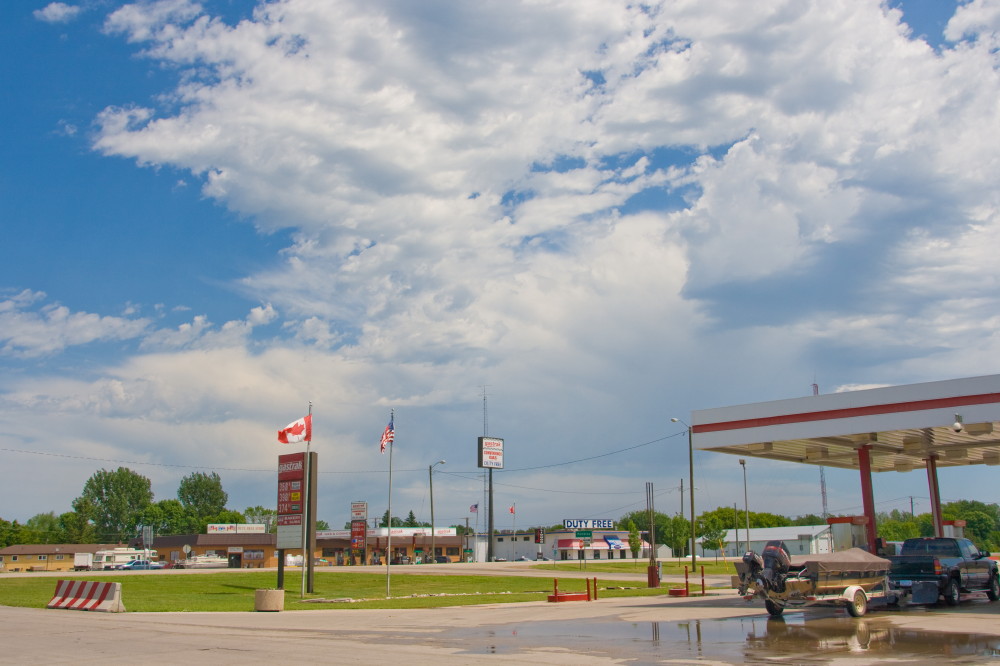
Last Saturday afternoon, Rob Forry and I gassed up at a filling station on the western edge of Pembina and contemplated the sky with fellow storm chasers Jim Parsons and Brian Spencer. The forecast models had been painting a frustrating picture, with a surface low moving northeast up into Manitoba and dragging southeast winds with it, leaving those of us without passports–which included me–with helicity-killing southwesterlies by the time storms started firing later in the day.

However, the HRRR was offering a glimmer of hope, stalling the warm front across the northernmost counties and maintaining southeasterly winds slightly south of the border as late as 01z. So there we were in Pembina in the mid-afternoon, gazing at a patch of altocumulus. On the way up, we had passed through an outflow boundary from storms earlier that morning, and now a brisk northeasterly wind reminded us that we had left the warm sector behind us.

The four of us grabbed lunch at a local restaurant, then parted ways. Most chasers were congregated well to our south near Devil’s Lake, where previous forecast soundings had looked pretty compelling. Unquestionably, instability would be present. Helicity and capping were the question marks, and even as we backtracked southward and then west, I had a hunch that we would eventually wind up playing back to the north.

In the tiny prairie town of Edmore–how do people earn a living in such remote places?–Rob and I found a shady place to park and wait for things to develop. We had passed back across the frontal boundary, and the temperature was warm, the winds were blowing from the southeast, and overhead, billowing towers kept thumping against the stout cap. We hung out in our new location for maybe half an hour with John and Brian, who had rejoined us, then took off. During that short time, the surface winds had veered to the south, so we headed back north on SR 1 to where the winds were once again blowing from the southeast and then parked.

Ten or fifteen minutes passed. A dot materialized far down the road to our south and grew larger, expanding and dividing into two rapidly approaching vehicles. It was our friends Ben Holcomb and Adam Lucio, in company with a small group of other chasers I had never met. They pulled aside and we all stood around and yakked for a while. Ben was suffering from a nasty ear infection which had hit him the previous night, and while he had managed to score some antibiotics, he was still pretty miserable. But with a friend visiting him from Finland for the express purpose of chasing storms, he was sticking doggedly with the chase. Must come from having lived all those years in Michigan, where a chaser’s character is shaped by supercell deprivation.
We hung with Adam, Ben, and their crowd for a while, then continued north. The surface winds had once again veered, and surface obs showed them blowing from the south-southwest not very far south of us. It seemed to me that if we were going to have any chance at all of seeing a tornado–and admittedly, chances were slim to begin with–it would be along the northern tier of counties in the instability axis.

At the town of Langdon, we headed west, and it wasn’t long afterward that we witnessed a tower finally break through the cap directly overhead and blossom into a full-fledged storm. We tagged with it for a few minutes, but with just a couple miles between us and the border, we didn’t have much room to play with, so we let it go for the chasers in Canada to try their luck with.

Meanwhile, another storm was intensifying to our south, and we headed east to intercept it. From there on, storms began to multiply, but there’s no point in going into detail. The cloud bases were higher than I had expected; the ambient surface winds, which had been brisk all day, seemed to sigh away into nothingness; and the storms were outflow-dominant and just garden-variety severe. Rob and I encountered a little half-inch hail, and at one point a nearby CG which I never saw struck behind me, producing a LOUD thunderclap that sounded like a rifle shot and scared the crap out of me.

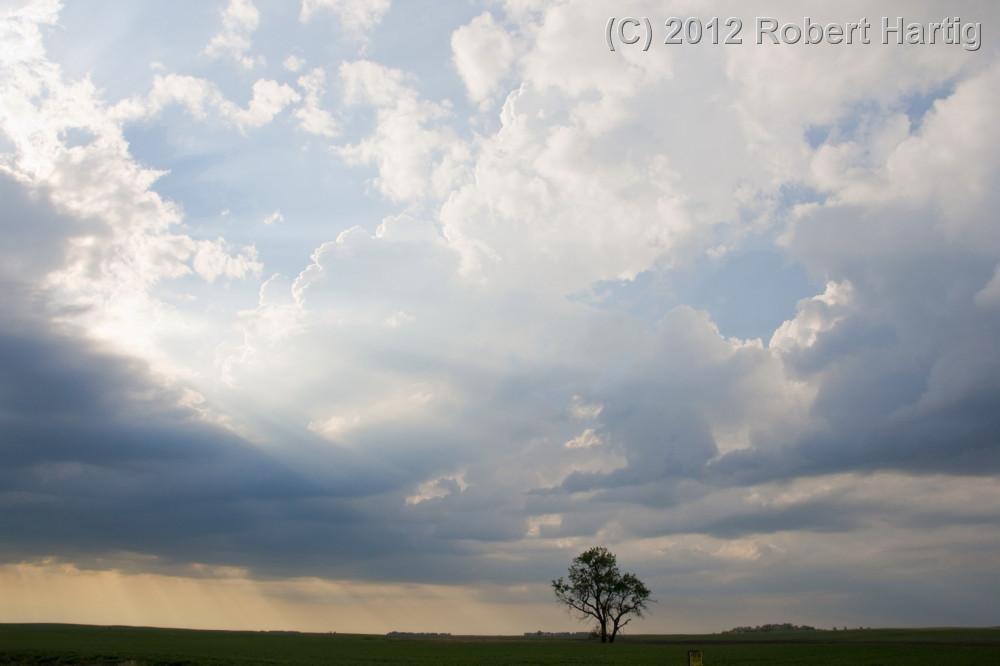
But it wasn’t the severity of the storms that made this trip memorable. It was that minimalist landscape stretching its sameness in every direction out into infinity; and it was the dome of the sky, spreading its cerulean canvas from horizon to horizon over tiny communities scattered far apart across the prairie. There, a thousand miles from my Michigan hometown and over 100 miles farther north than the northernmost point of the Keweenaw Peninsula, that sky-canvas, daubed by the Great Painter with the texture and tincture of clouds and light, rendered the panoramic emptiness of North Dakota dramatic and beautiful.

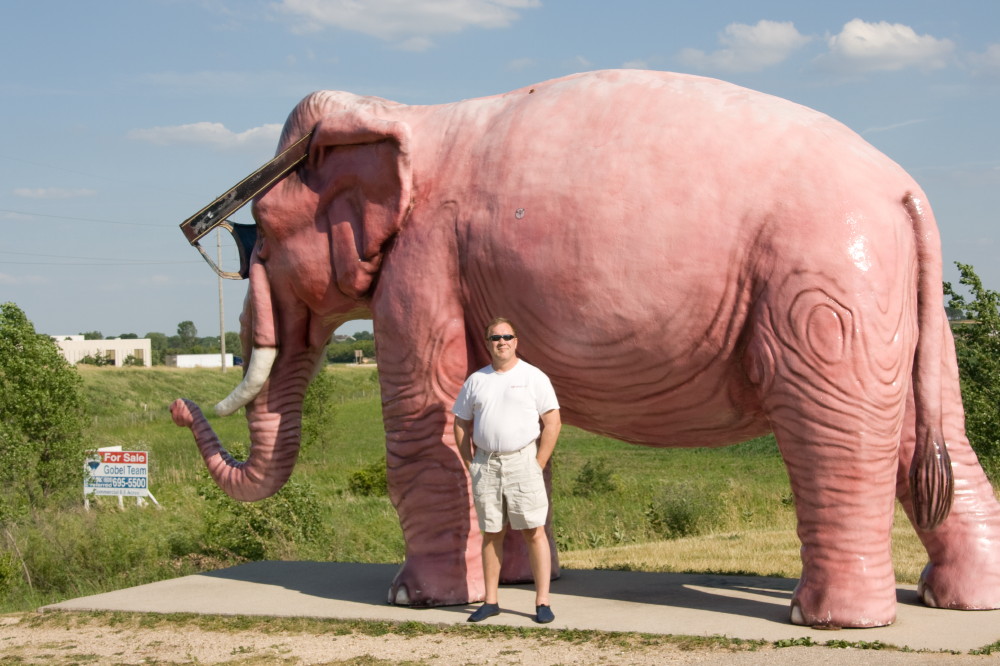
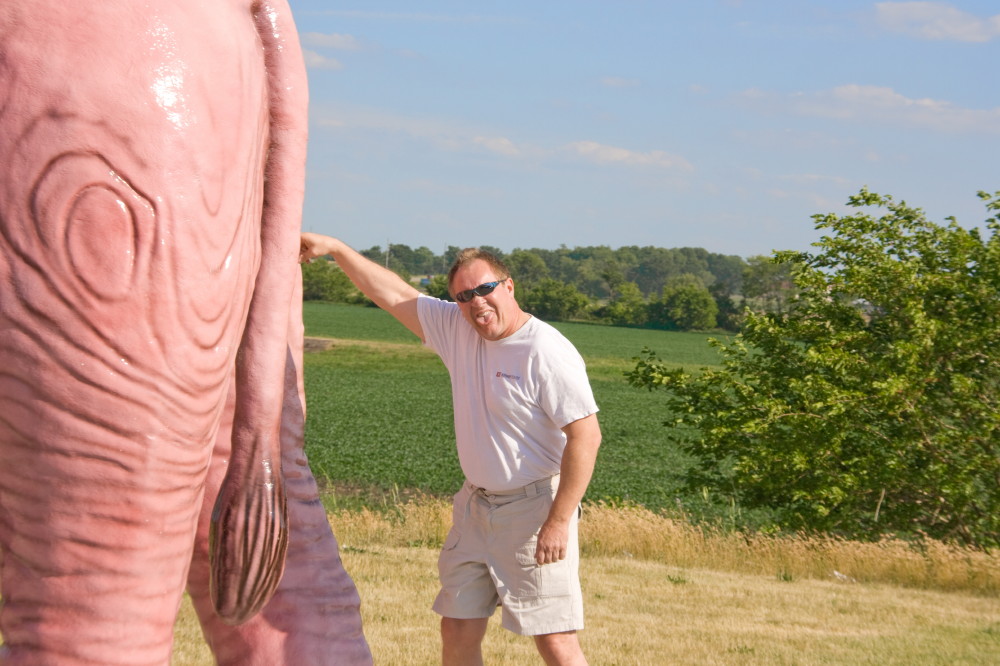
The drive back on the following day was predictably long and, for the most part, uneventful. These last two photos mark what was probably the highlight of the return trip (barring dinner at a truly fabulous sushi restaurant in Janesville, Wisconsin). Rob snapped them for me at a gas station somewhere in Wisconsin or maybe Minnesota, I forget where. But the place wouldn’t be too hard to find again. It’s probably the only gas station in America that has a sculpture of a life-size pink elephant wearing black glasses standing at the edge of the parking lot.

Naturally, Rob and I both needed to pose in front of so imposing a creature, and it wasn’t until I processed the pics afterward that I noticed the realtor’s “For Sale” sign on the left. Really, though, it’s my sign. Would you like to buy my elephant? I’ll make you a great deal. It’s a very nice elephant, well-behaved and in excellent health except for a slightly embarrassing digestive disorder for which I’ve found no remedy other than to … well, you can see how I’ve handled it.

My First North Dakota Chase This Saturday

I’ve never chased storms in North Dakota, but that’s about to change. Tomorrow Rob Forry and I are hitting the road for the severe weather event that’s shaping up for Saturday along the Canadian border.

This has been a puzzling scenario to forecast, with the models gradually aligning after painting some radically different scenarios. The NAM has wanted to move the system eastward faster and place the better  tornado action across the Canadian border, while the GFS and Euro have been more  optimistic and, I believe–I hope–more accurate. What the heck–Canada may get more shear, but North Dakota has the big CAPE.

We’ll find out Saturday. Lacking an extended driver’s license that would grant me access to Canada, I’m counting on North Dakota to deliver. I feel confident

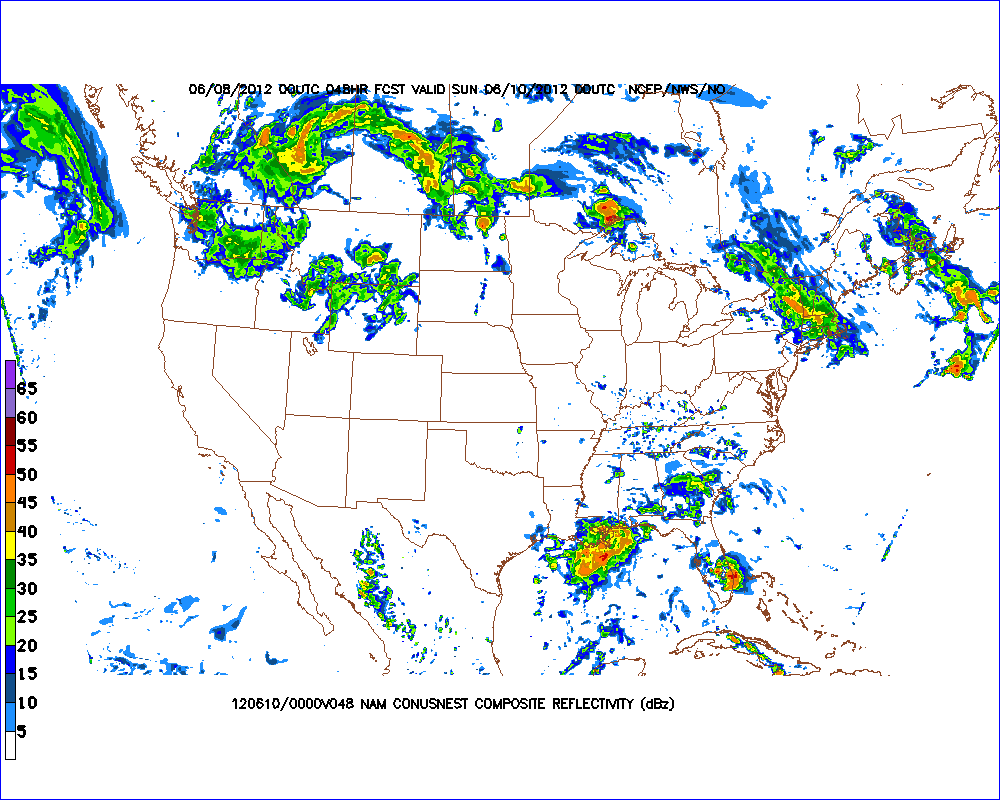
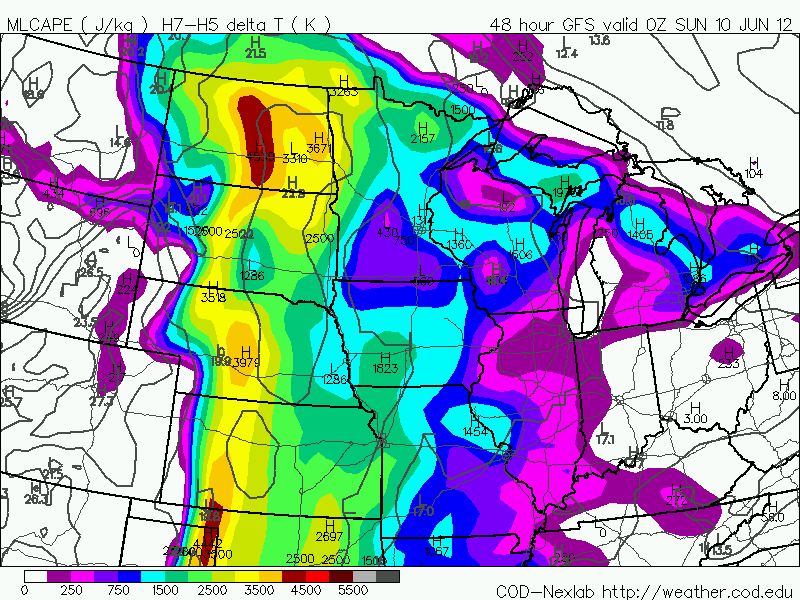
enough that it will that I’m taking the chance. I keep eyeballing the region from Minot east toward Rugby and Devil’s Lake, and north, and a bit south. Skew-Ts have looked consistently good in those parts, and there’s plenty of CAPE to get the job done–around 4,500  J/kg MLCAPE per the GFS. My hope is that all that luscious, pent-up energy will produce something like what the NAM 4km nested CONUS radar shows at the top of this post.

Come on! Big tubes and gorgeous storms drifting across the wide sublimity of the North Dakota landscape, and then steak and beer later on.

Memorial Day 2012: A West Michigan Lightning Extravaganza

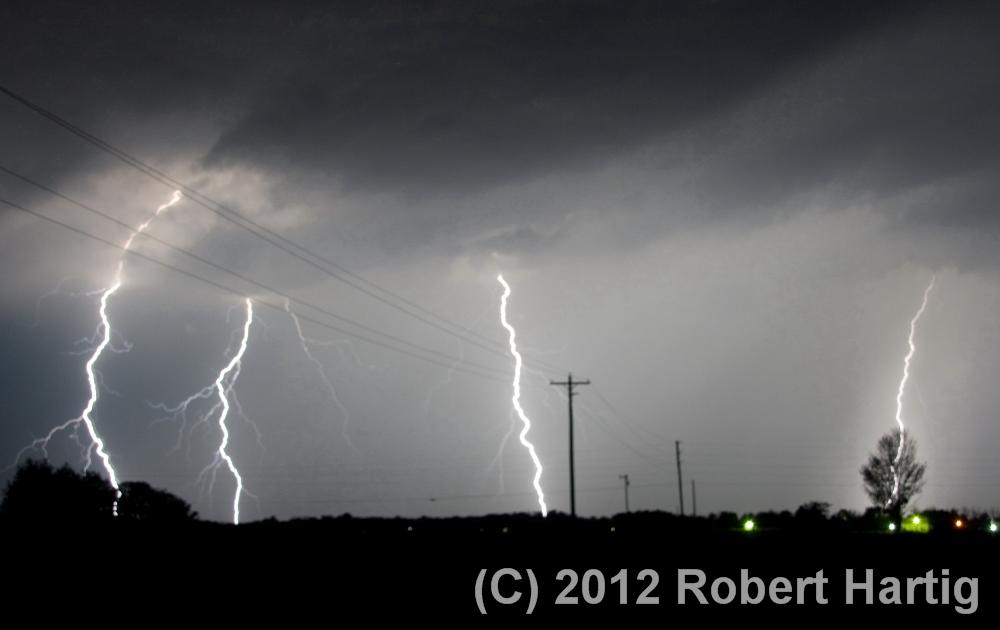
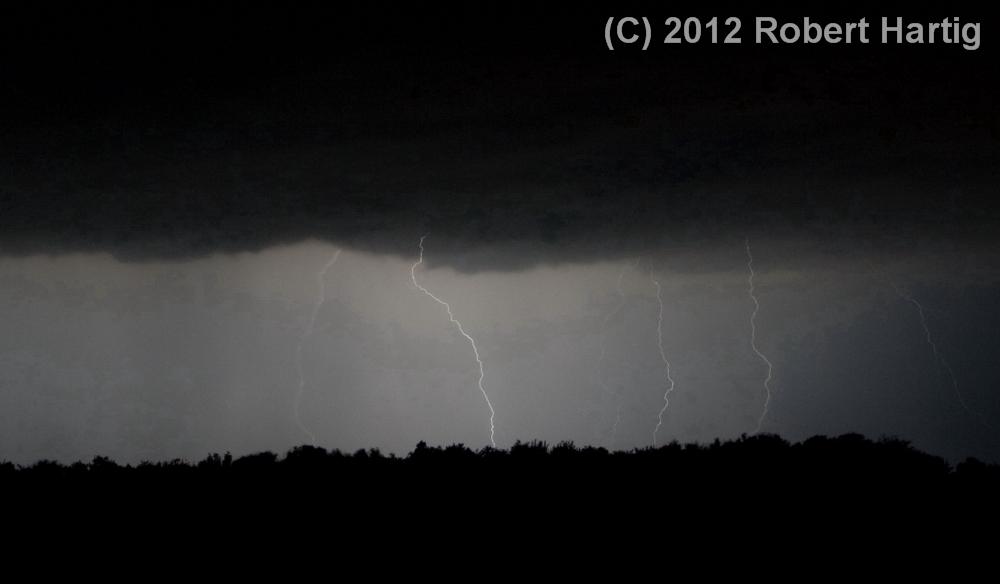
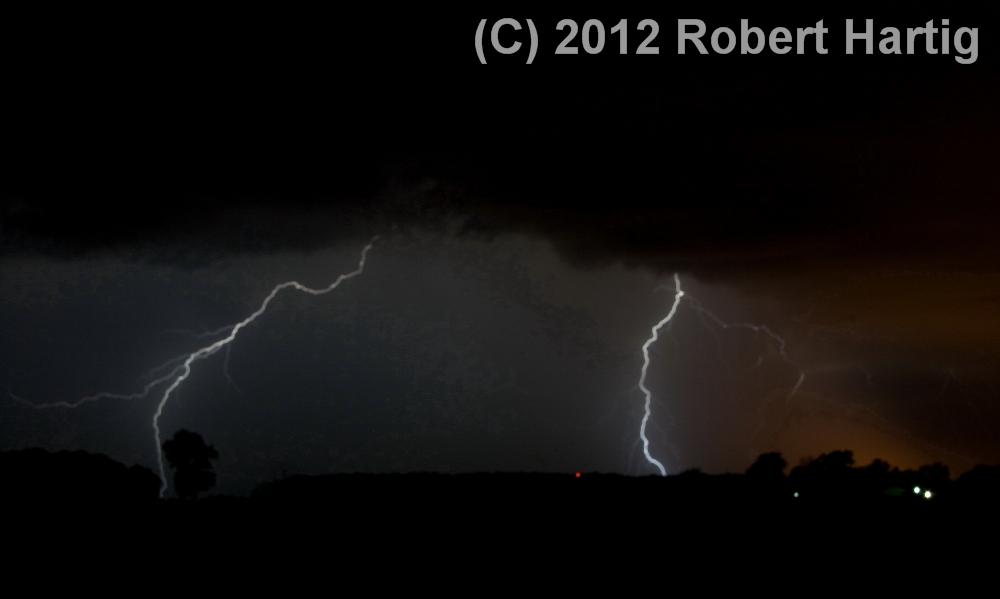
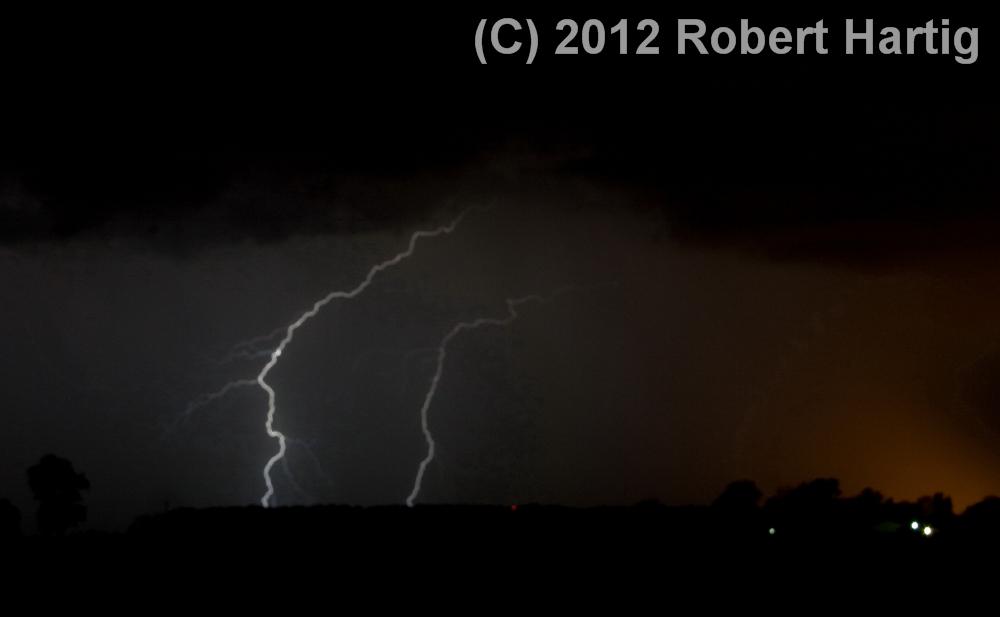
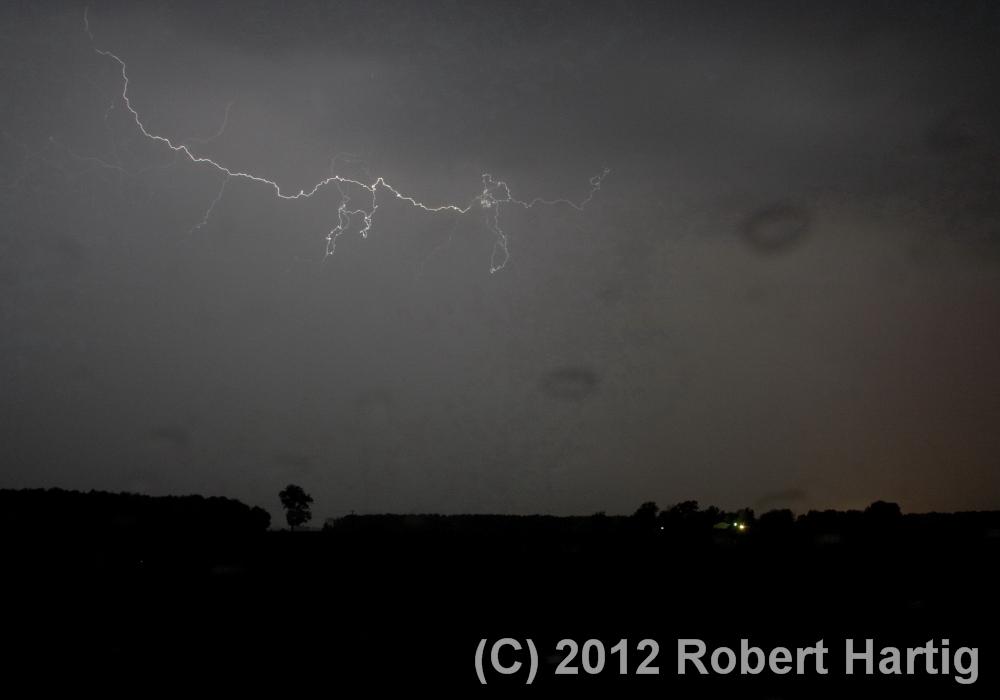
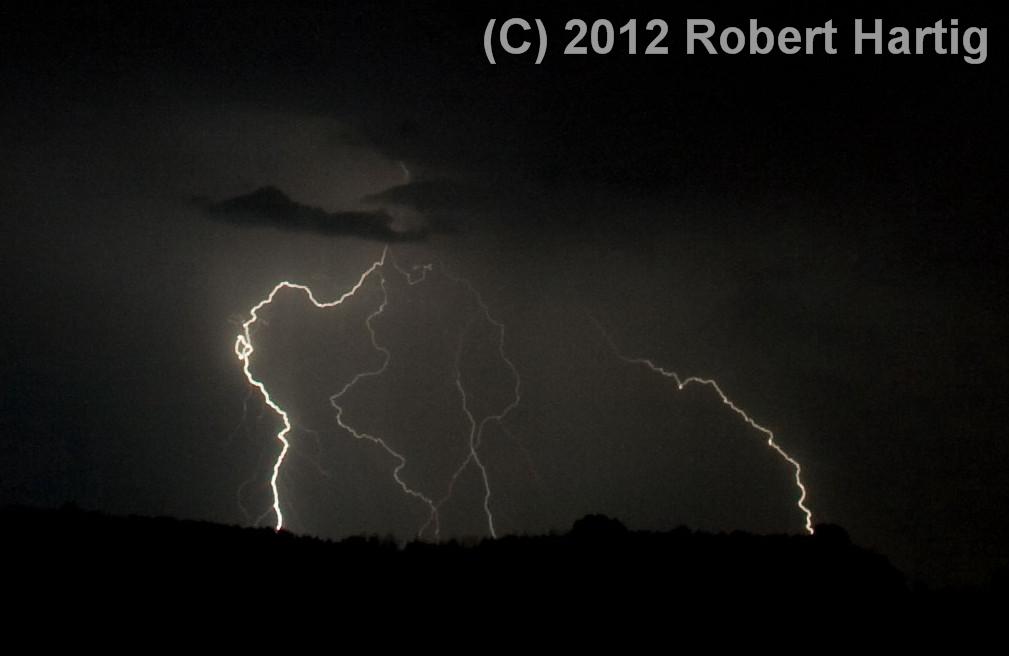
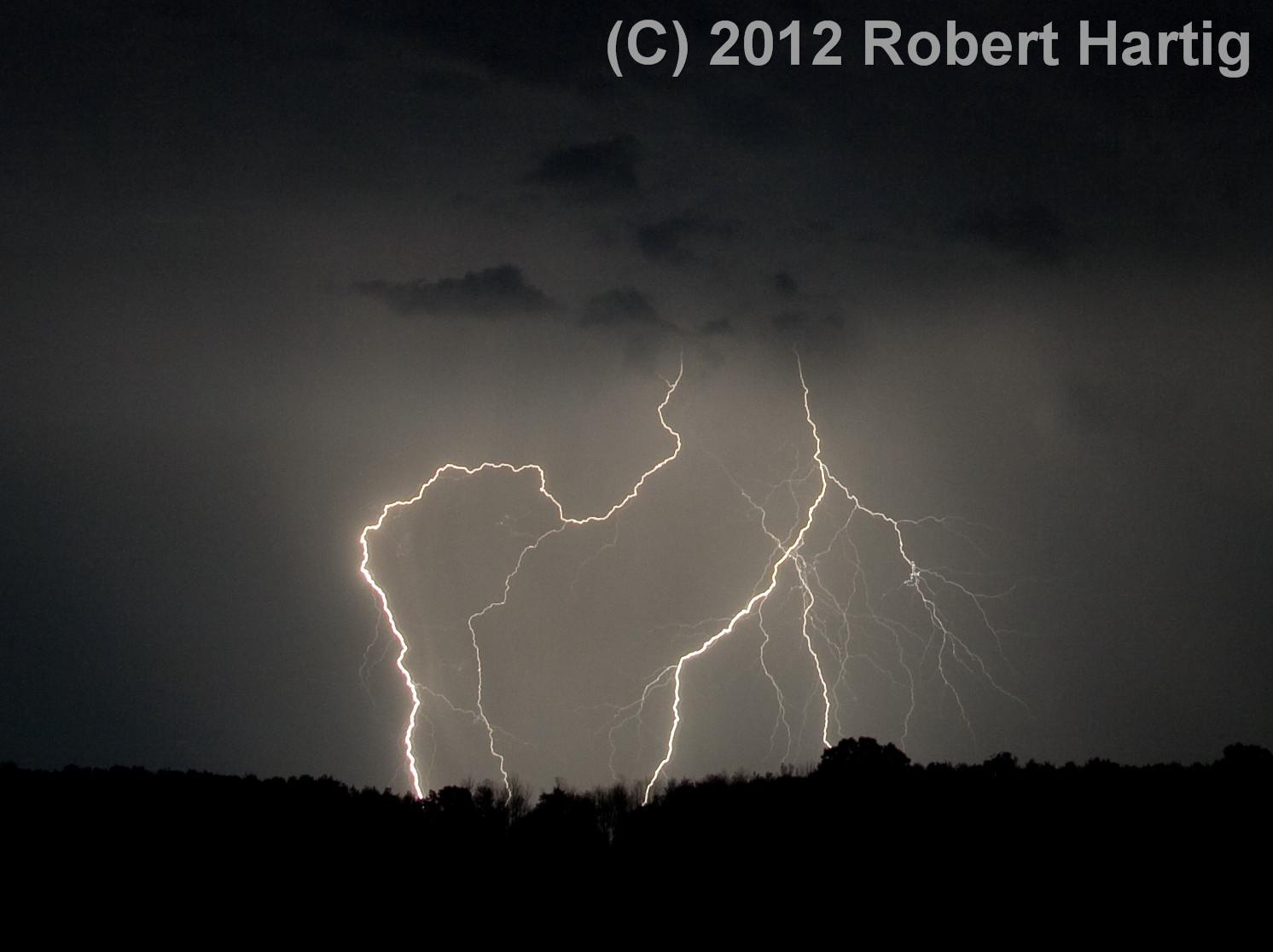
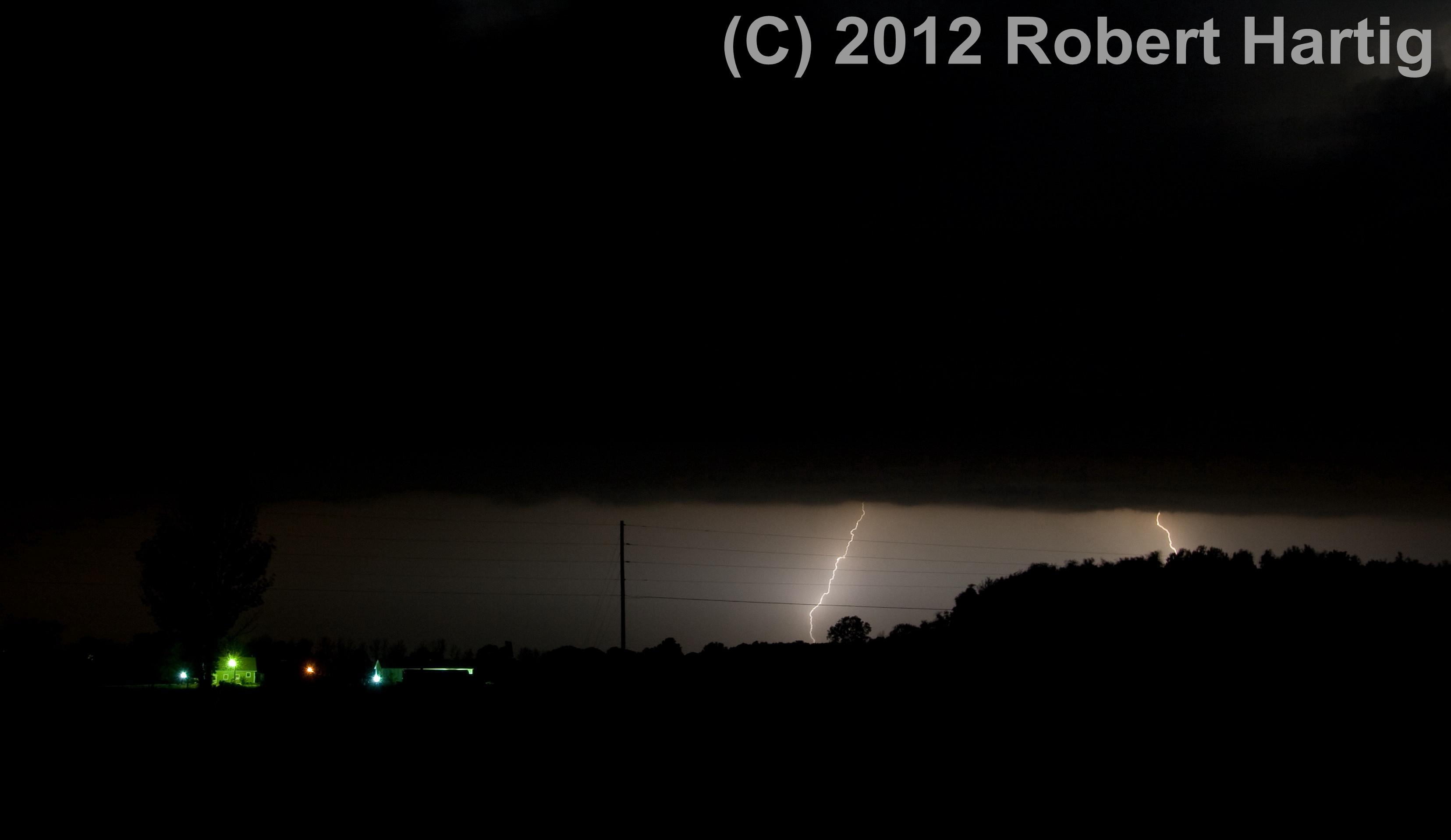
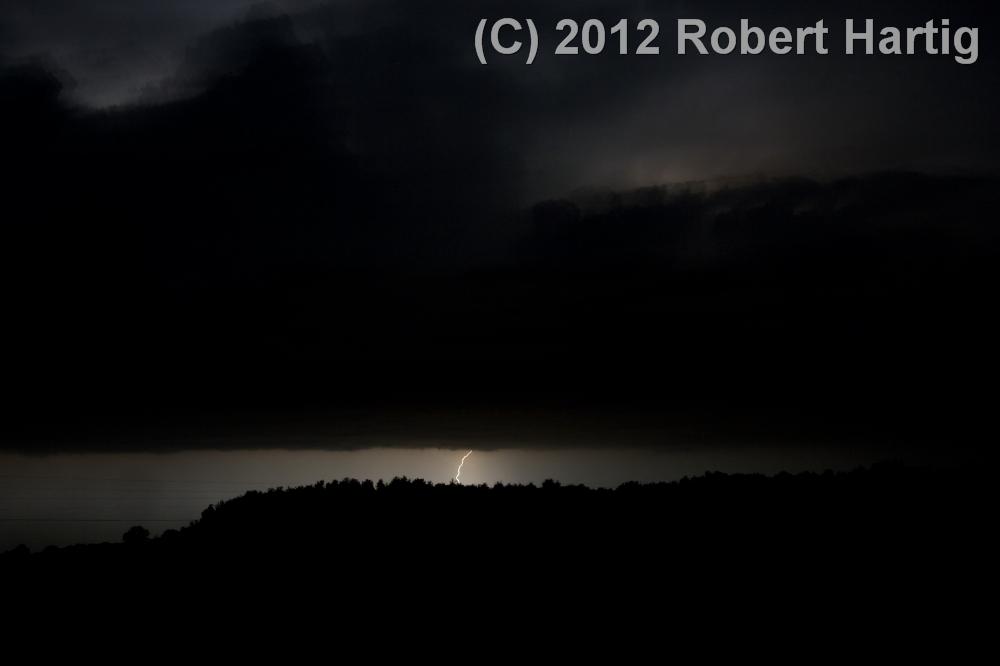
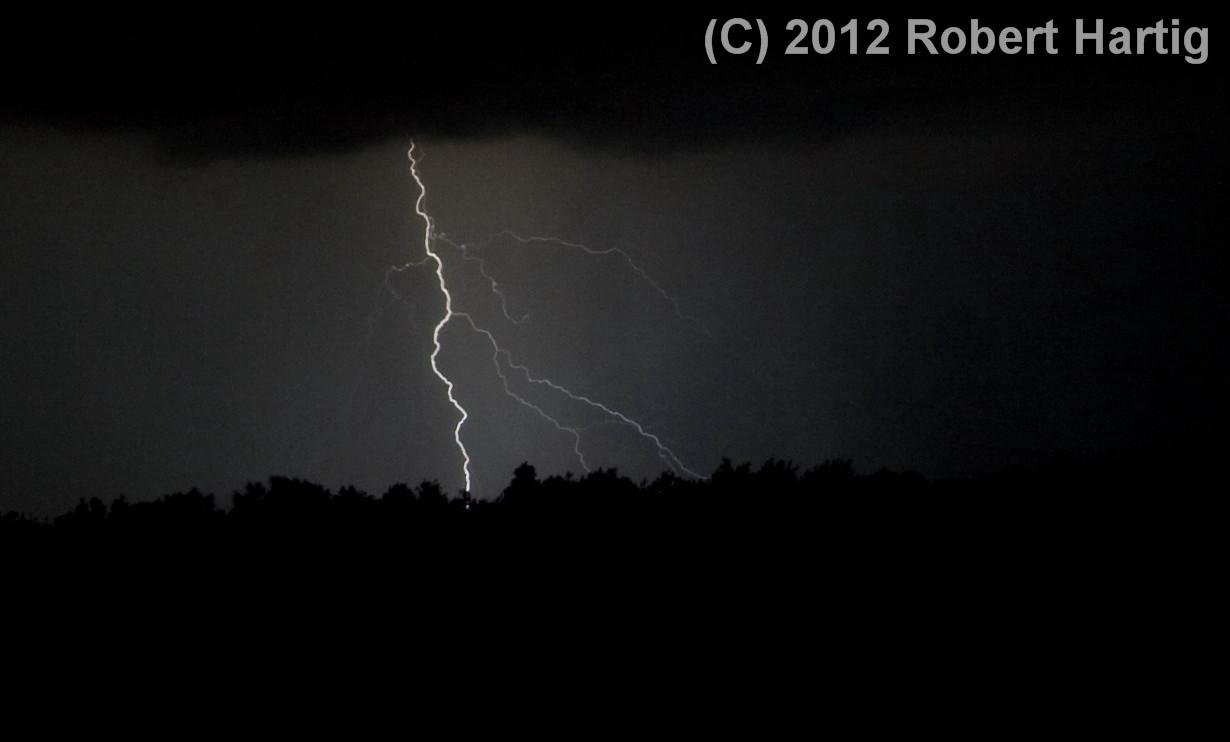
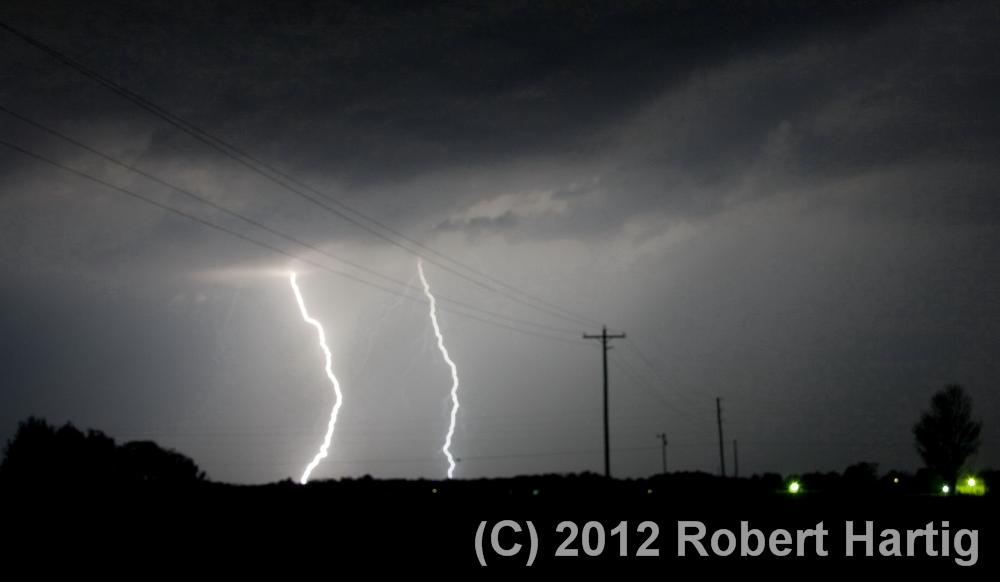
I have yet to take some truly razor-sharp images of lightning, but each time I go out, I learn a little more about how to improve my lightning photography. Last night afforded me a great opportunity. Storms forming ahead of a cold front moved across Lake Michigan and began to increase in coverage as the night progressed, and I roamed with them across West Michigan from the shoreline at Whitehall and Muskegon State Park to inland northeast of Lake Odessa.

My expedition was marred by the fact that I left the adapter plate for my tripod at home. I compensated by setting my camera on top of my dashboard and shooting through the windshield, an arrangement that works okay but

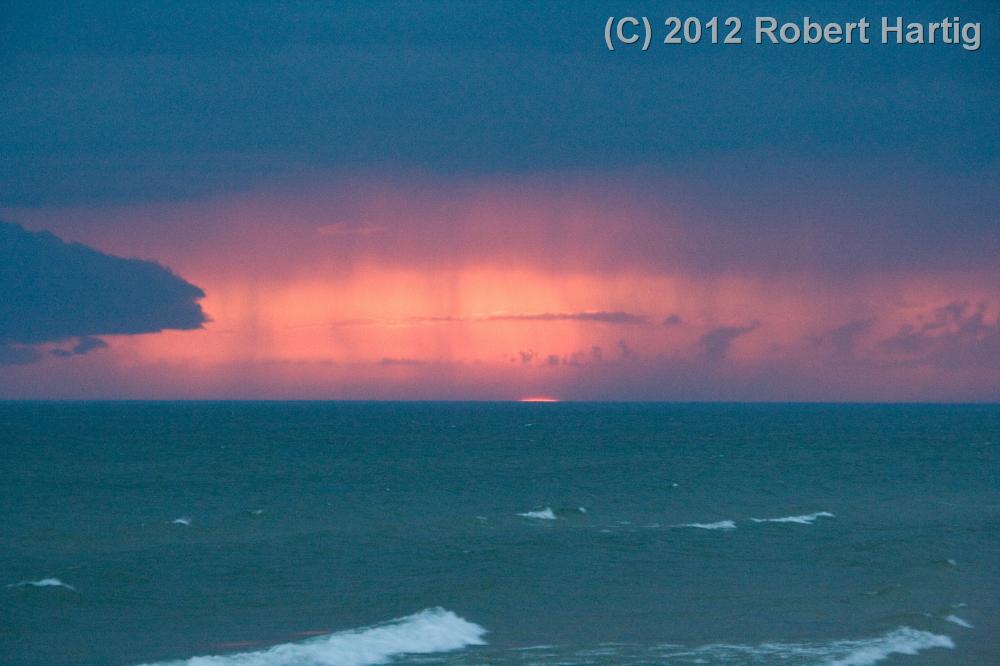
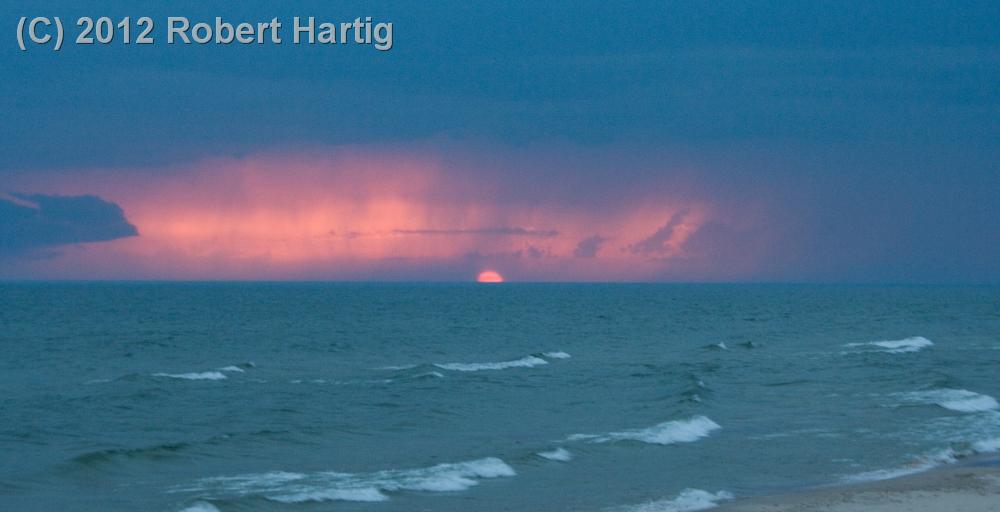
which considerably limited what I was able to do at the lakeshore. Using the hood of my car to steady myself, I managed to capture a few shots of a beautiful, moody sunset, with the red semicircle of the the sun gazing sullenly through rain curtains of the advancing storms. However, parking by the side of a busy road where everybody had the same idea–to pull over and watch the storms roll in over the waters–just didn’t work very well. After too many time-lapse images marred by tail lights (see photo in gallery below) I decided to hightail it and try my luck inland.

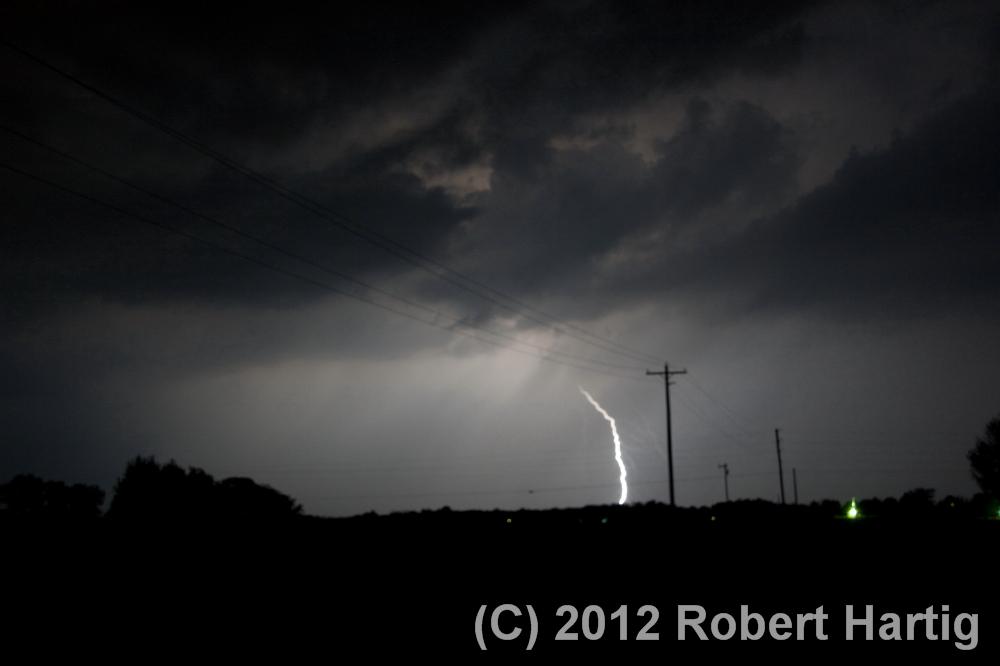
It was a good choice. The storms multiplied as I headed back toward Caledonia, and with lightning detonating to my north and closing in from the west, I decided to continue eastward till I found an ideal location–a place far from city lights and with a good view in all directions. I never expected to drive as far as northeast of Lake Odessa, but I’m glad I did.

Note to self: STOP USING THE ULTRA-WIDE-ANGLE SETTING WHEN SHOOTING LIGHTNING. Zooming out all the way to 18 mm is just too far, and cropping the shots doesn’t work well. The crispness goes downhill.

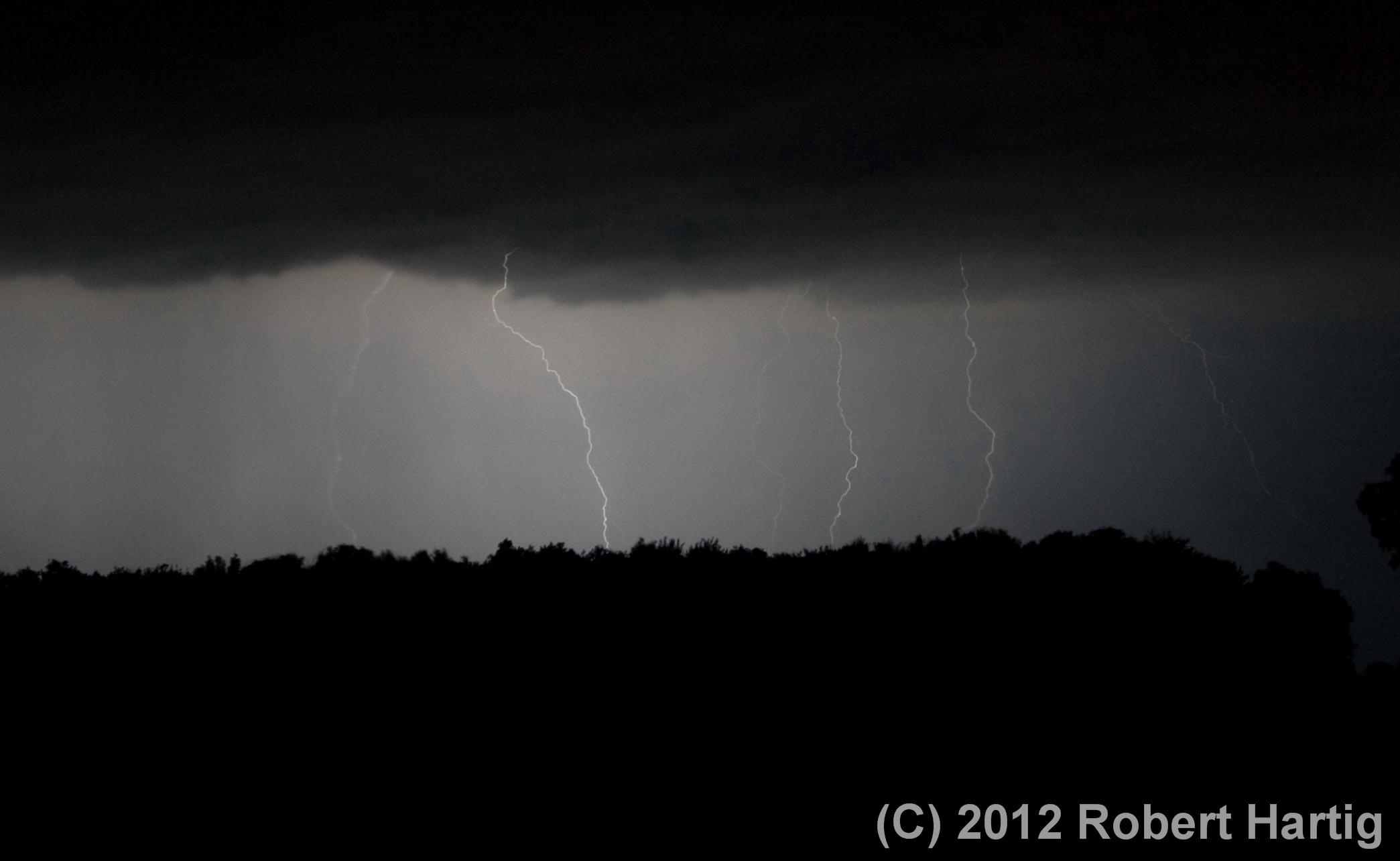
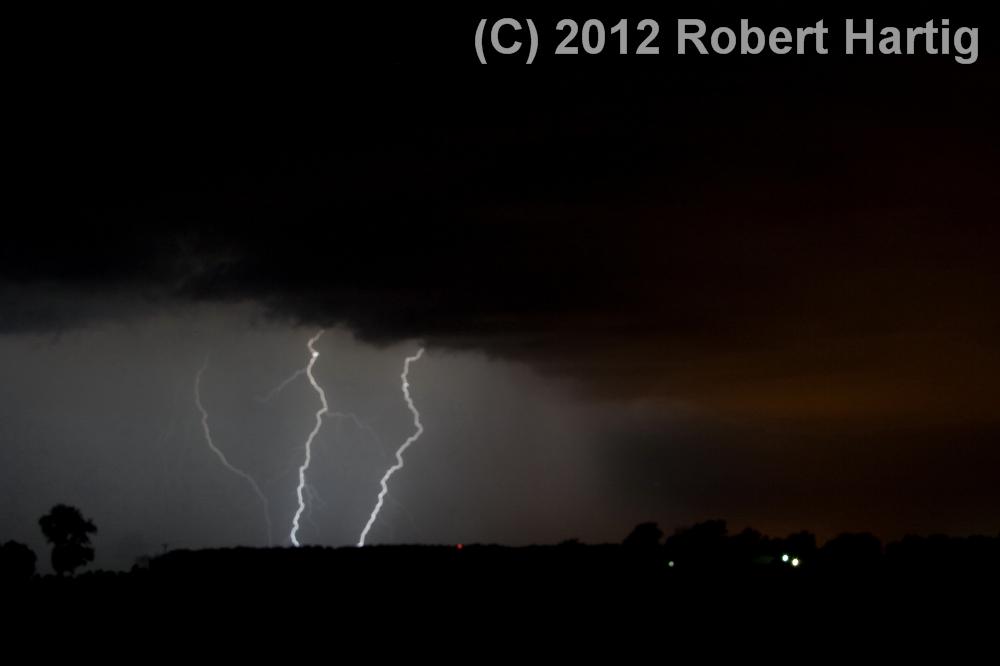
For all that, the images below aren’t all that bad, and a few turned out really well. After Sunday’s busted chase in Nebraska, it was nice to enjoy a few mugfulls of convective homebrew right here in West Michigan. I finally arrived home at the scandalous hour of 4:15 a.m., far later than I ever anticipated. I was tired but pleased. This Memorial Day lightning display did not disappoint.

An Active Weather Pattern Moving In

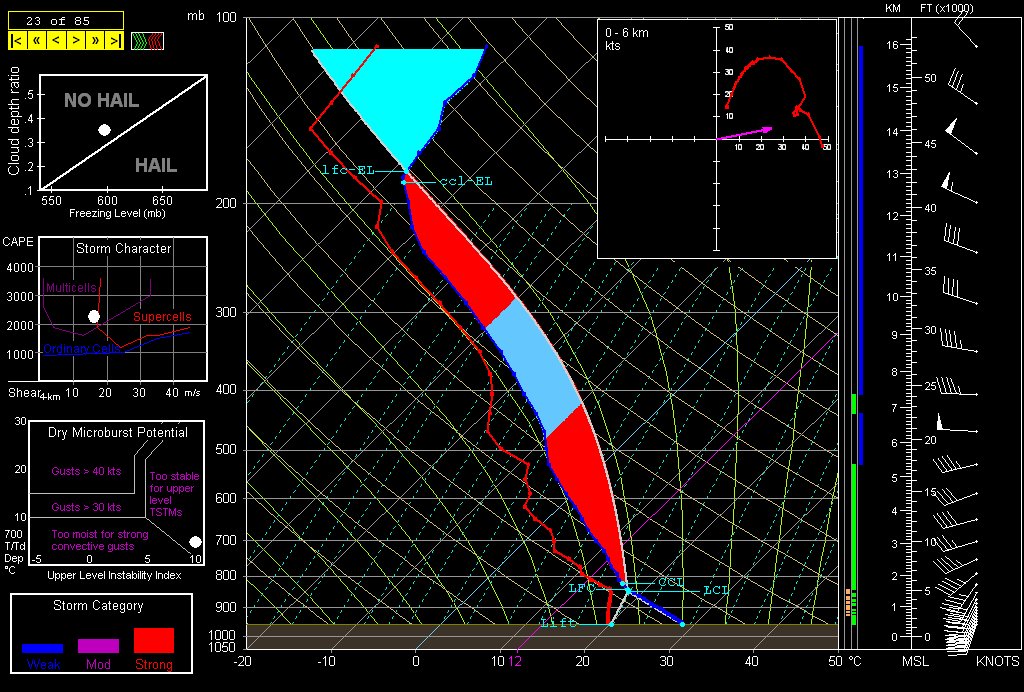
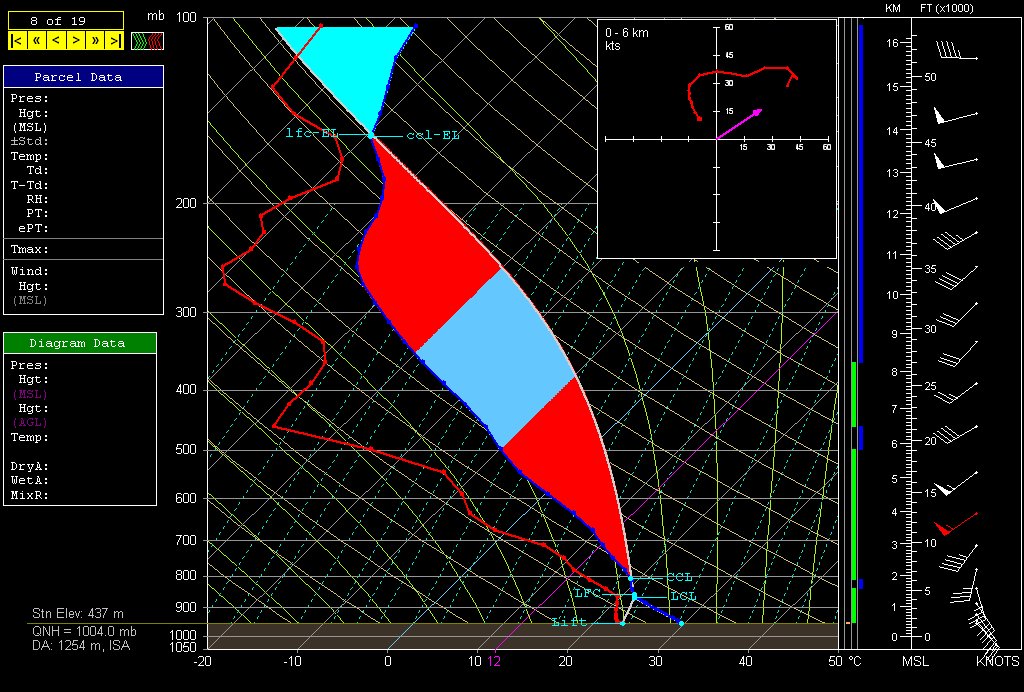
These next few days look interesting severe-weatherwise from the northern Plains into the Great Lakes. Today holds the potential for a significant blow near the Missouri River in South Dakota, Minnesota, Nebraska, and Iowa. Here is a RAP forecast sounding for Sioux Falls, SD, for 00z tonight.

I’ve been eyeballing that area via the NAM for a number of runs. Capping has been an issue for a while now, but NAM has consistently wanted to break the cap in the area I’ve mentioned. If I could have found a partner to split costs, I’d have left last night, but the thought of going it alone and blowing a wad of cash on a cap bust–a distinct possibility, with 700 mb temps hovering AOA 12 degrees C–spooked me.

Now I think I should have taken the risk. Today could be another Bowdle day, and I wish I was in Sioux Falls right now. Some of the  indices there for this afternoon look pretty compelling, at least if the RAP is on the money. The cap could break between 22-23z, and if that happens, then walloping instability (mean-layer nearly 3,900 J/kg CAPE and -10 LI) and mid-70-degree F surface dewpoints will surge upward into explosive development, and ample helicity will do the rest.

However, the SPC is not nearly so bullish as the above sounding, citing the complexity of the forecast due to capping and the lack of dynamic forcing. That’s been a repeated theme. Today looks like one of those all-or-nothing scenarios where chasers will either broil in a wet sauna under merciless blue skies or have one heck of an evening.

Boom or bust for those  who are out there. As for me, this evening I will either be watching the radar and beating my head against the wall or else congratulating myself on my good fortune for not going.

But I’ll also be packing my gear in preparation for tomorrow, and later tonight I’ll be hitting the road with Bill and Tom. I’m uncertain what Sunday holds, but last I looked, the dryline by the Kansas-Nebraska border looked like a possibility on both the NAM and GFS. The weak link seems to be the dewpoint depression; it’s wider than one could hope for, suggesting, as the SPC mentions in its Day 2 Outlook, higher LCLs. I haven’t gone more in depth. We’ll look at the model runs again tonight and pick a preliminary target for tomorrow.

Photos from the April 14, 2012, Kansas Tornado Outbreak

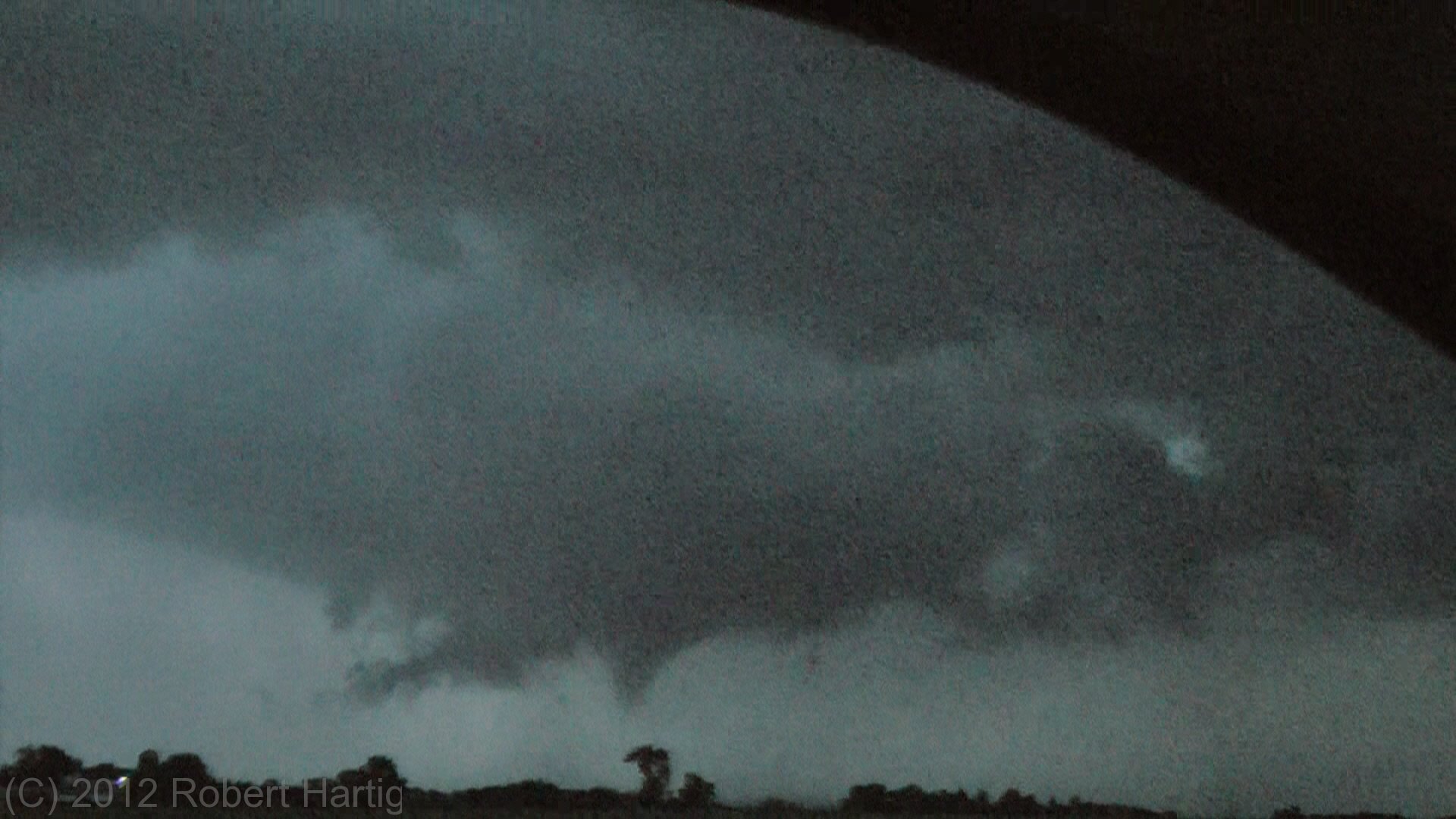
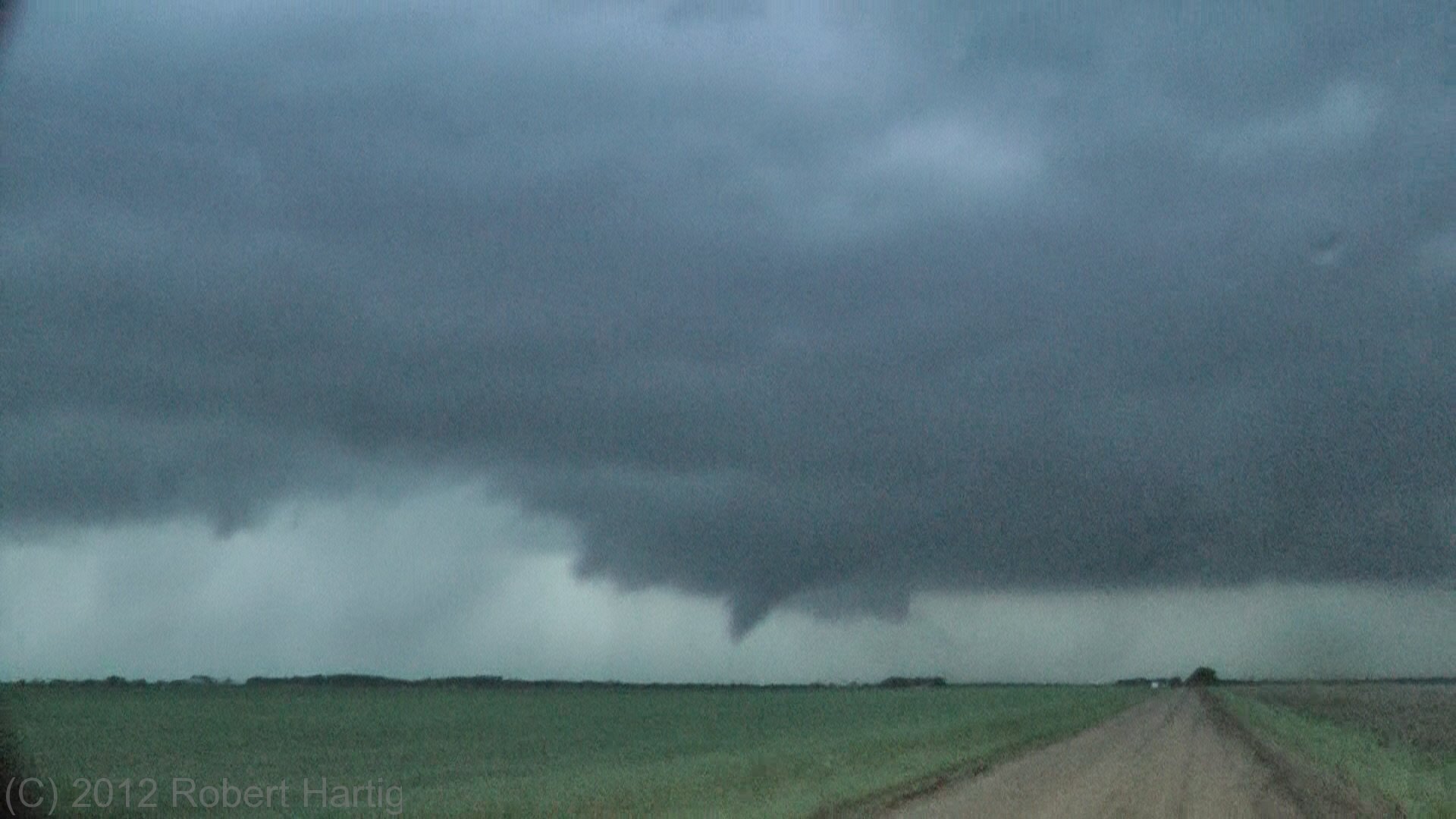
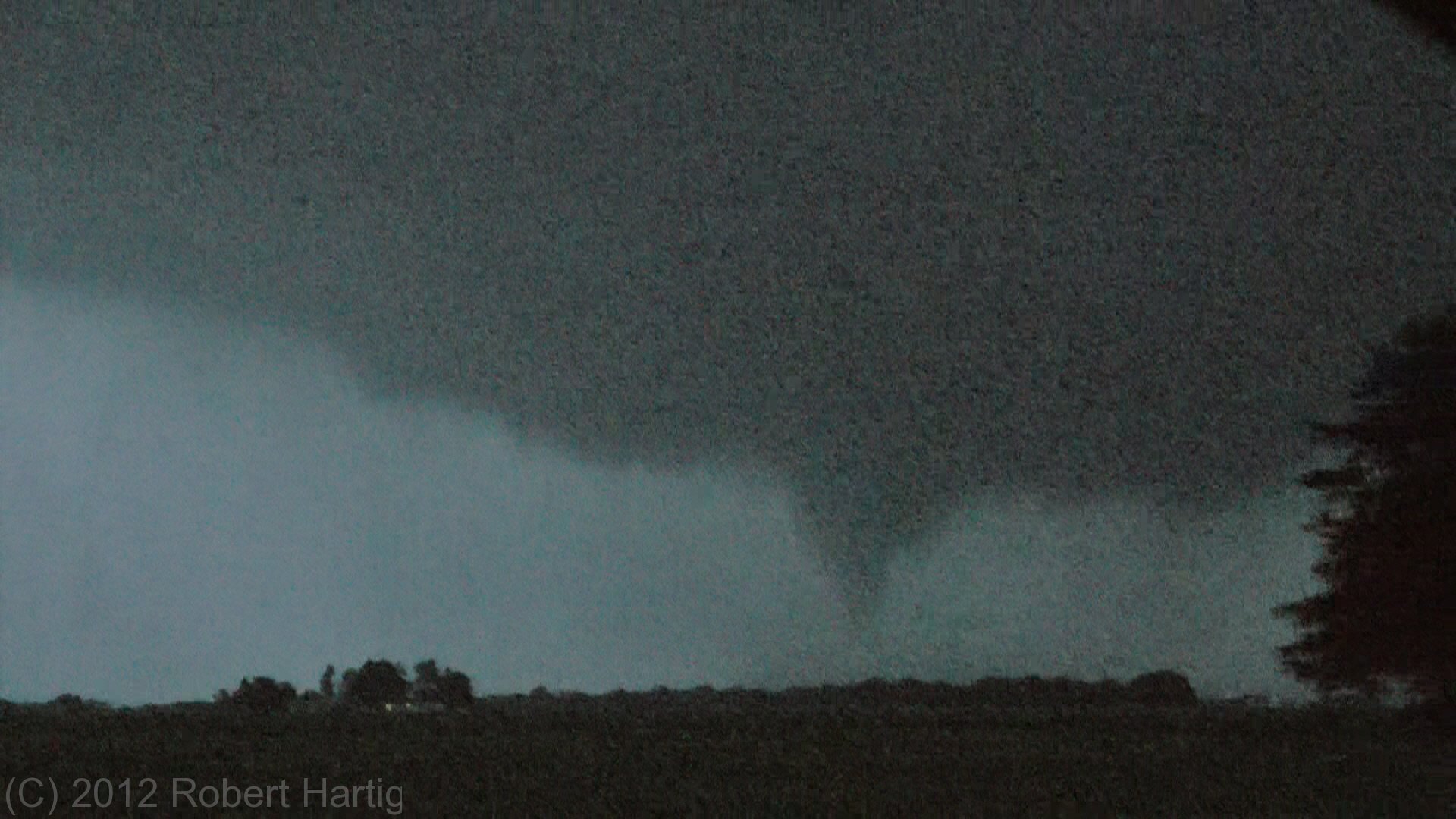
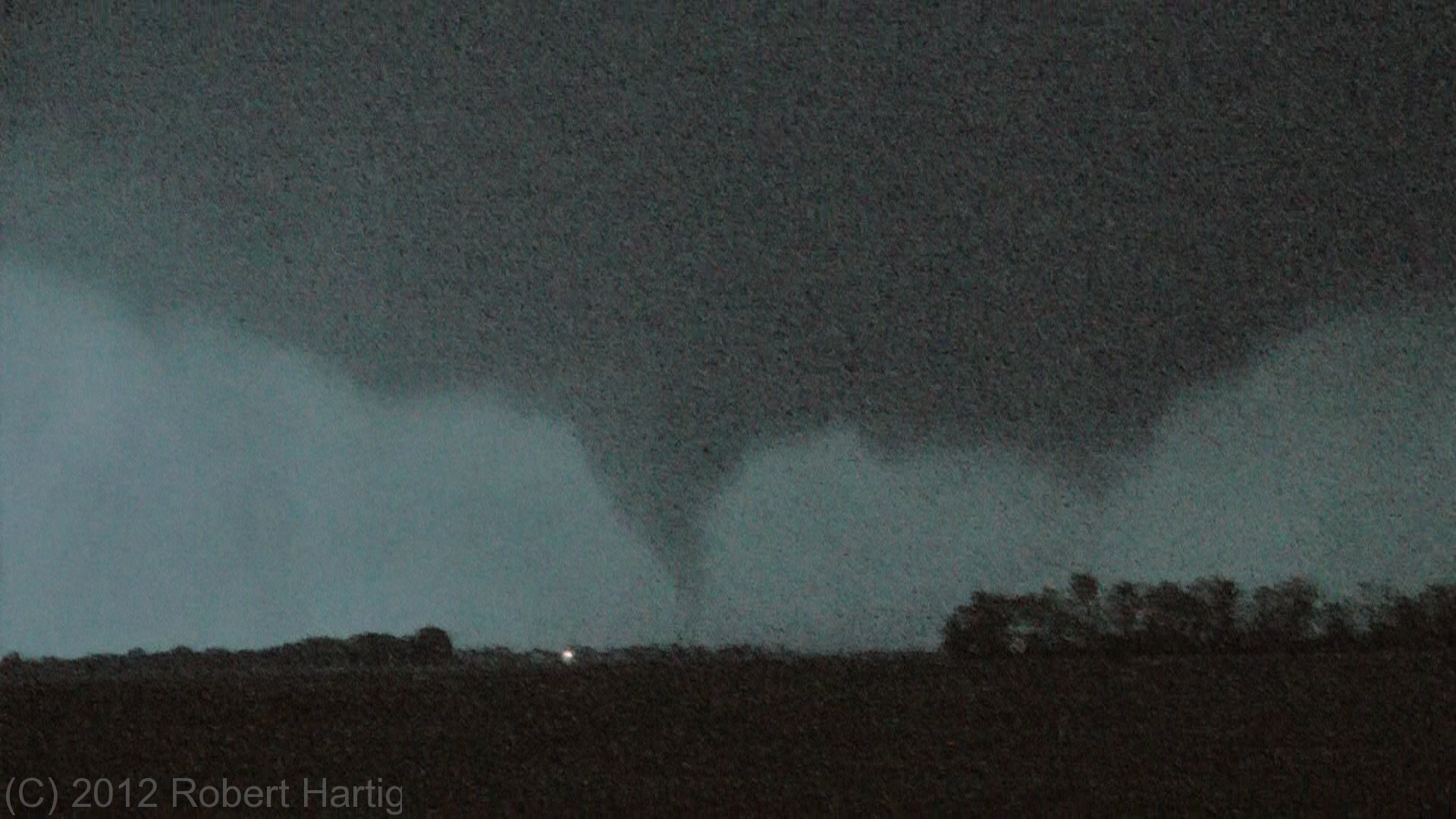
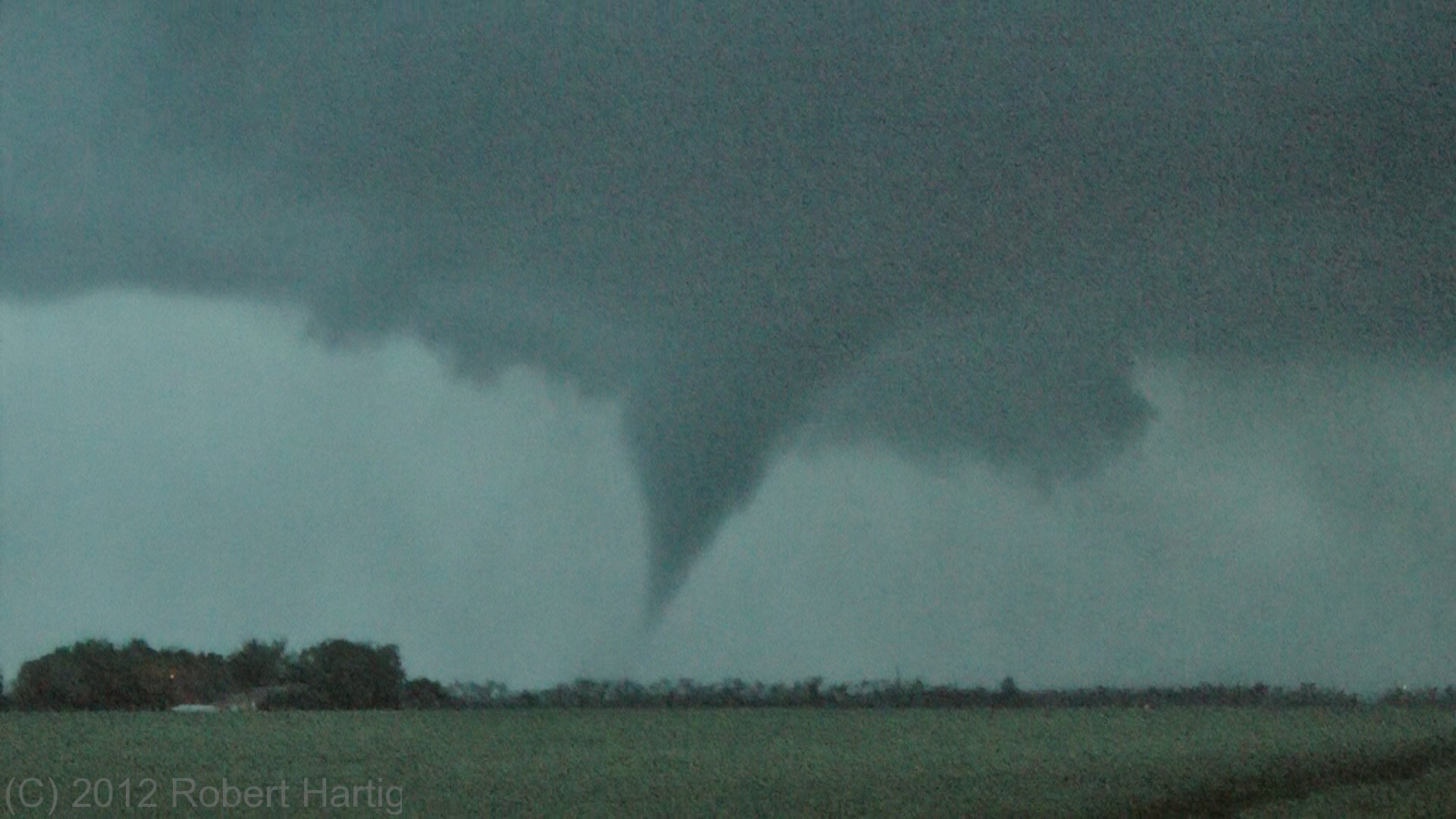
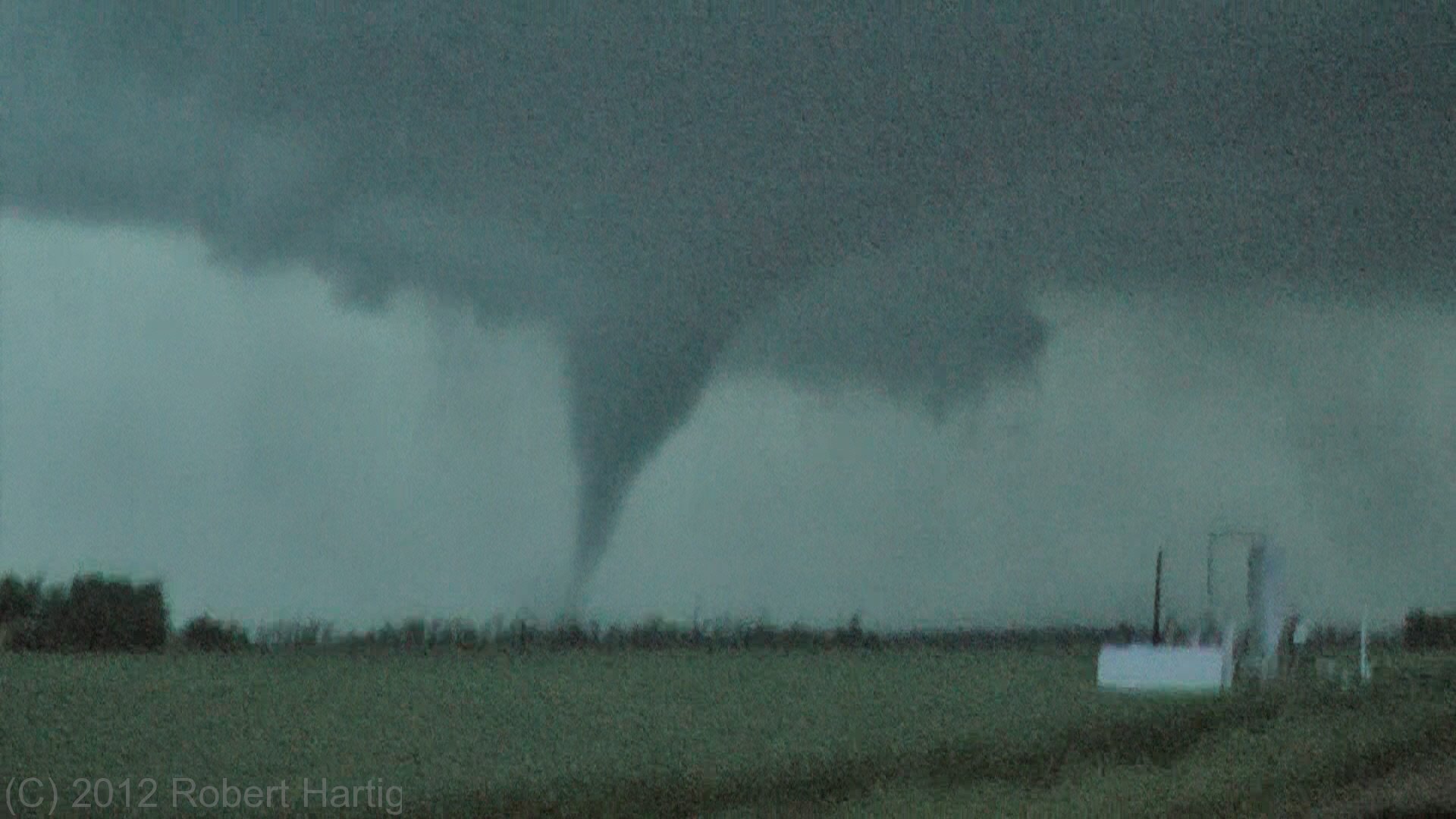
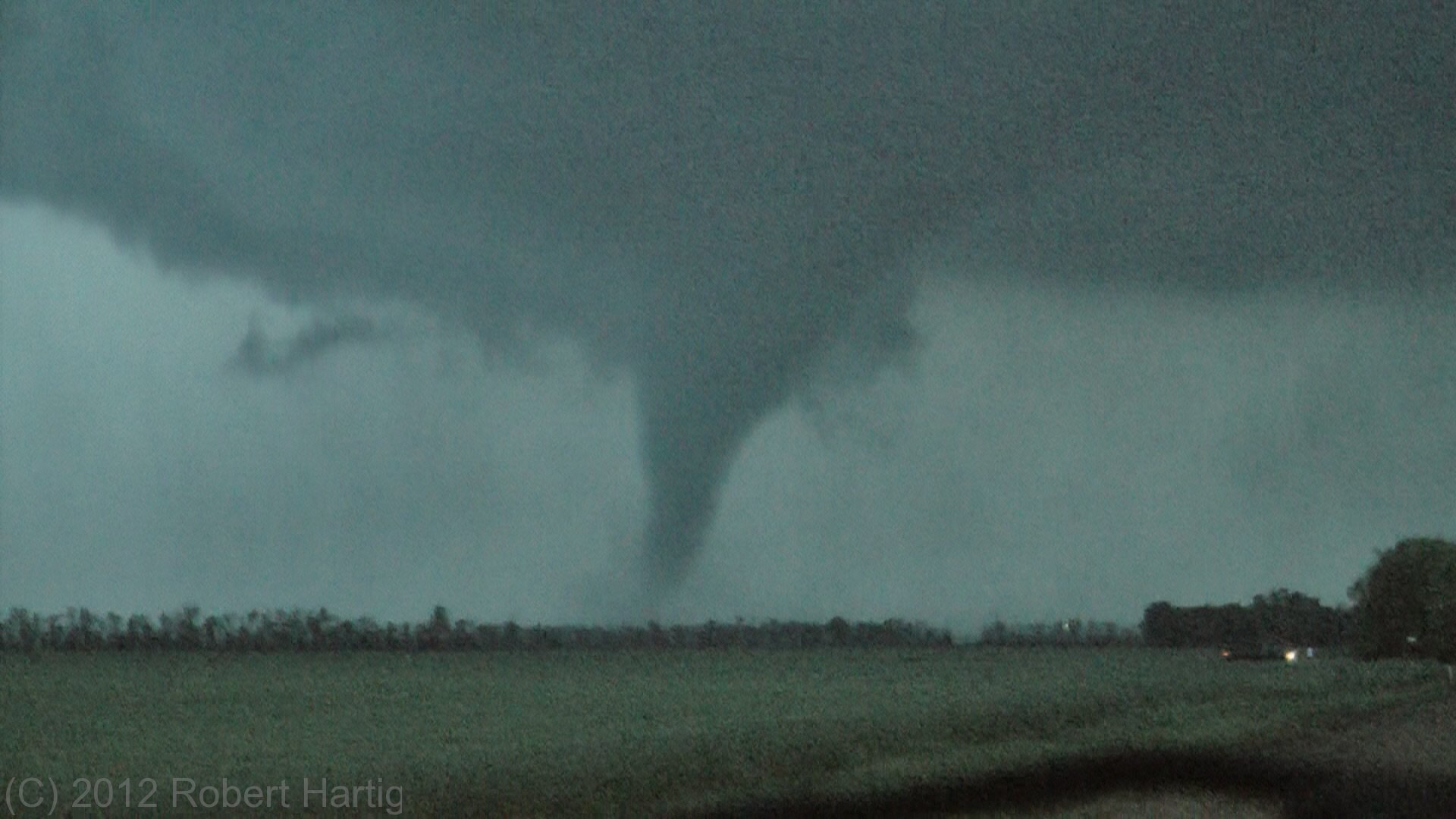
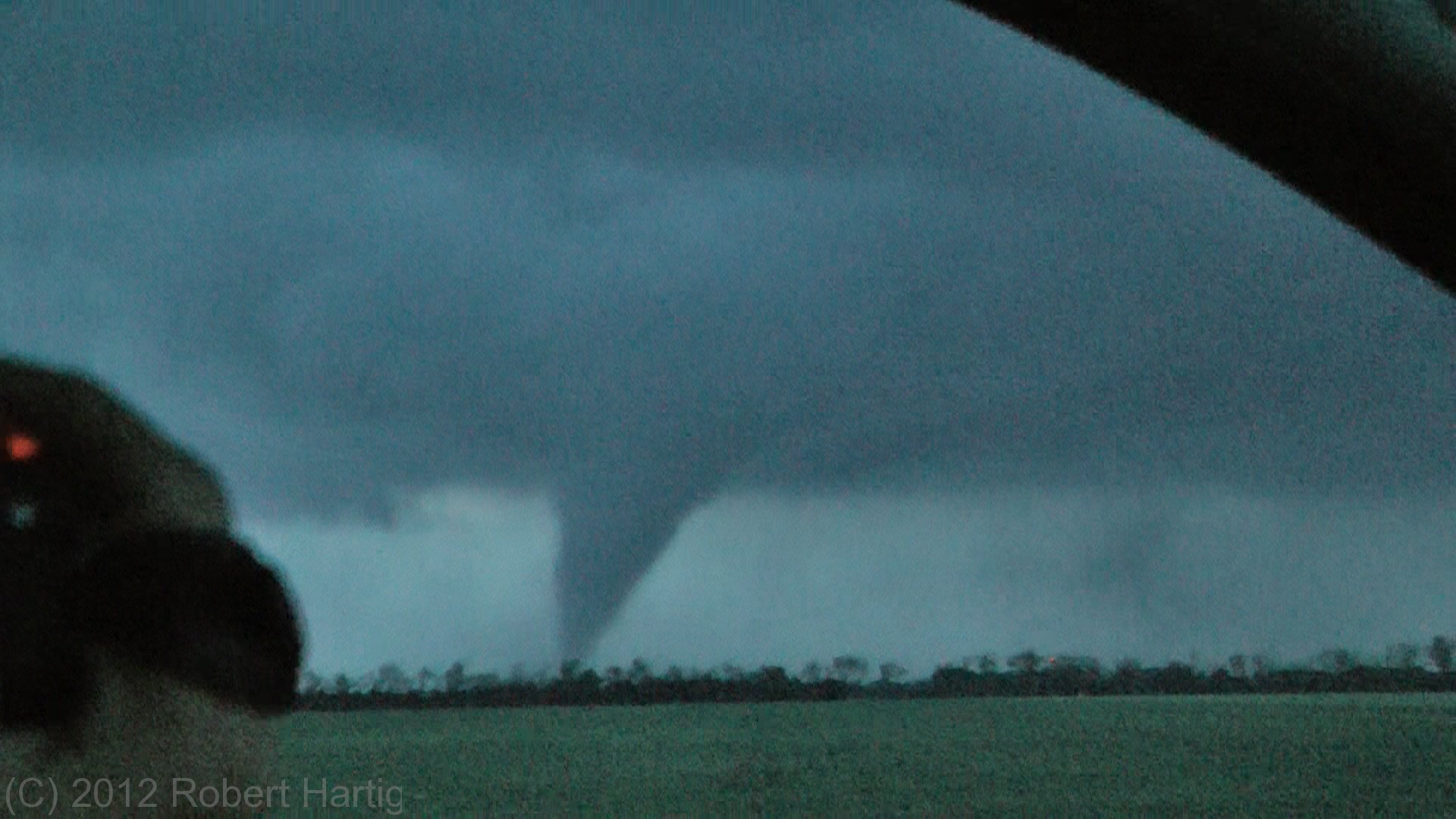
May has been an astonishingly idle month for chasing storms, at least from the standpoint of a Michigan-based chaser who can’t afford to travel a thousand miles to tornado alley on every whim and wish of a slight-risk day. So tonight I finally got around to capturing a few still images from my video of the April 14, 2012, tornadoes in Kansas. Please excuse the graininess. These are, after all, video grabs, and the original footage was shot right around and after sunset. So … not high quality, but great memories of an exciting and rewarding chase day. You can read my written account of it here.

April 13-14 Oklahoma-Kansas Chase

This post is long overdue, but there has been no helping the time lapse between my first Great Plains chase of the year on April 13-14 and tonight, when I’m finally setting the highlights of those days briefly in print. The reason is that, upon my return home, I immediately succumbed to the worst case of acute bronchitis I’ve ever experienced. It was characterized by constant, deep, wrenching, non-productive coughing; a chronic sore throat; a fever that topped 102 degrees; an ear infection; laryngitis; plugged-up sinuses; and if I’ve missed anything else, let me just sum it all up by saying that I was in neither the condition nor the mood to do any film editing or writing, or much of anything except to attach my face to a vaporizer and to suck down Jell-O, chicken soup, sports drinks, ginger tea, and enough fluids overall to qualify me as a human aquarium.

Today, though, I am definitely on the mend, and it’s high time I got this report written. Tomorrow looks to be another big day in eastern Kansas, so I need to write before anything I have to say about an event from two weeks ago gets swallowed up in the latest round of wedges.

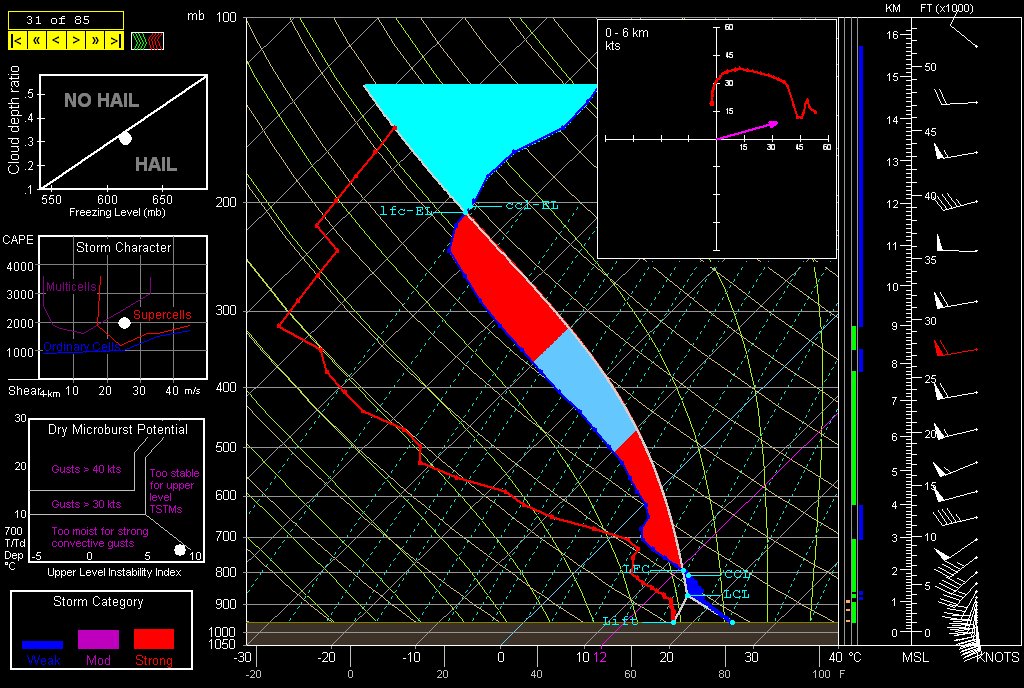
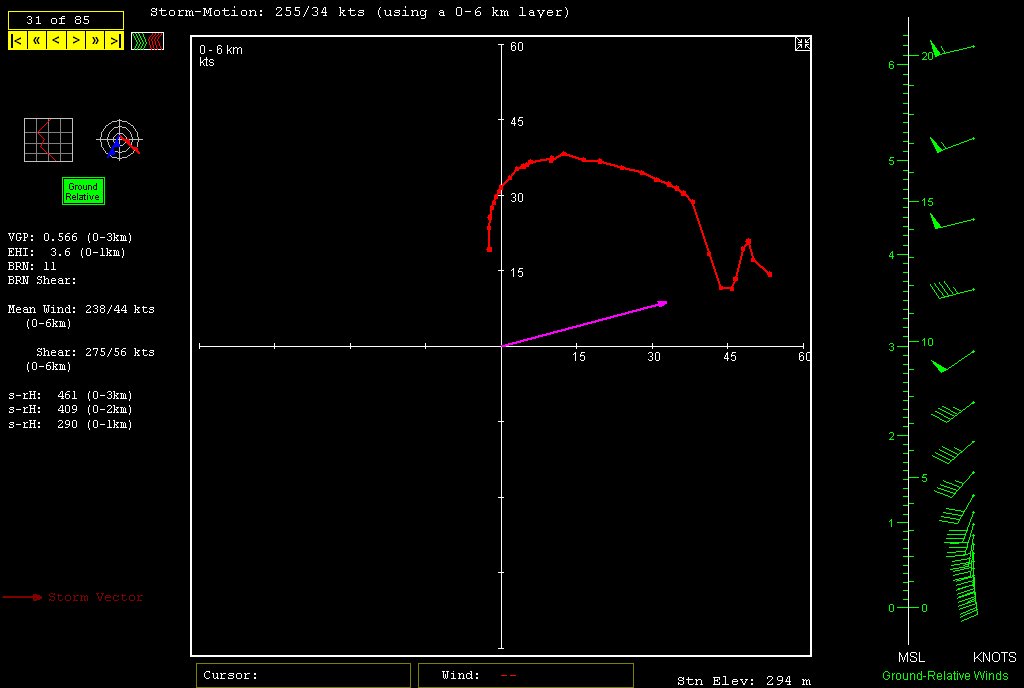
And it does look there could be some wedges. Look at this NAM skew-T and hodograph for Chanute, Kansas, at 00Z. (Thanks, Ben Holcomb, for tipping me off to Chanute!) With 1km and 3km SRH at 290 and 461 m2/s2 respectively and a nice, fat low-level CAPE, that’s the broth for some violent

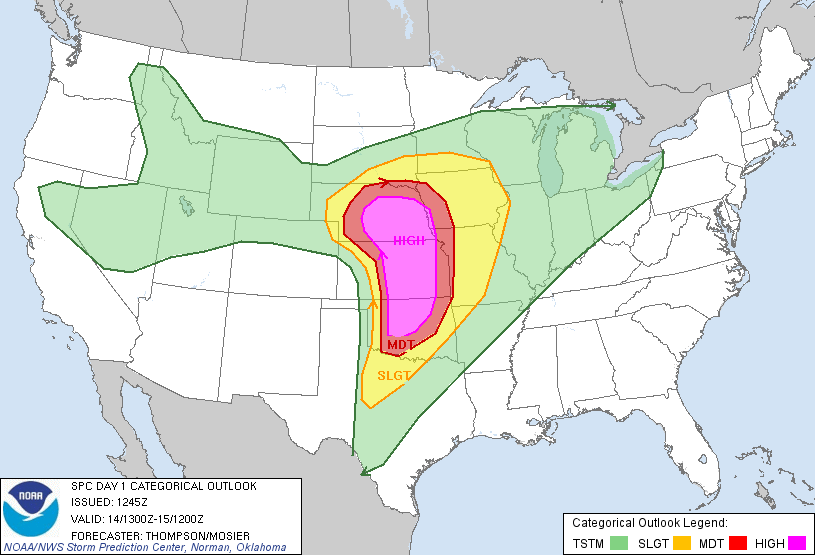
tornadoes. I expect that part of the area that the SPC has categorized as a light risk for tomorrow will be upgraded.

But I’m chasing rabbits. Getting back to the topic of this post: With conditions coming together for two or three days of severe weather in tornado alley from April 13-15, Bill Oosterbaan and I headed for Oklahoma in company with two new chaser friends. Rob Forry is a fellow chaser from the other side of Michigan who had yet to experience a Great Plains chase; and Steve Barclift is an editor friend of mine who, I discovered, shares my keen interest in severe weather and had been wanting to get a feel for storm chasing.

We arrived in Norman, Oklahoma, late in the morning on Friday the 13th. Dropping off our travel bags at the apartment of Ben Holcomb, who was graciously putting us up for the night later on, we promptly headed out for the chase.

We encountered our first storm of the day not far from Chickasha. Not being the superstitious type, I have no qualms about chasing storms on Friday the 13th; still, this storm gave us a shake when it led us back to Norman and spun a tornado within a mile of Ben’s apartment. We pulled out of chase mode long enough to make sure that Ben’s place was okay. Then we headed southwest a second time, this time plunging beyond Chickasha toward Boone and Meers, and thence into the heart of the Wichita Mountains. There, we positioned ourselves on the southeast flank of a tornadic supercell as it advanced slowly over the ragged landscape.

We may have witnessed a tornado at this point, but my video provides no conclusive evidence, just strong suggestions. Tornado or not, though, to stand in the inflow of that massive, beautifully crafted supercell and watch it spew lightning from its charcoal interior as it dragged across those prehistoric peaks was reward enough. No more need be said, nor shall be, since Friday was simply a scenic prelude to the action up in Kansas the following day.

Saturday, April 14, dawned on a large high-risk region that ranged from most of central and eastern Nebraska south through central Kansas and down into much of central Oklahoma. With impressive upper- and mid-level jets overlaying the region, bulk shear was beyond adequate, as was instability. The ingredients were all there. Today, it seemed, would be one of those days when anyone who chased–and there were lots of chasers prowling the prairies on this day–would see a tornado.

In practice, though, it wasn’t quite that easy. Our plan was to drift up I-35 and then head west toward a likely looking storm. Not a very sophisticated approach, but it seemed likely to work, and in fact it did. We weren’t far across the Kansas border when we decided to turn west, and in a while we encountered our first supercell of the day, and with it, our first tornado. The cone spun at a good distance, probably five miles or more away. Looking at my video clip, I’m satisfied that it was indeed a tornado–even at that distance, the outline is distinct and separate from the storm’s rain shaft.

We stuck with our storm as it sailed north-northeastward, but it seemed to be having a hard time establishing itself beyond its first tornadic salvo. Still we stayed with it, hoping it would organize into a rumbling monster. But it continued to attenuate into a skinny, sorry-looking mongrel, so we finally dropped it for a more promising-looking storm to its south.

I remember saying at the time, “Dropping this storm [which I was in favor of doing] could be a really good decision. Then again, the storm could reorganize in half an hour and start putting down hoses.” Of course, the latter is what happened. Half an hour or forty-five minutes later, the storm we had put behind us had morphed into a supercell that, from the looks of it on radar, clearly wasn’t fooling around, and it went on to produce a string of tornadoes.

But by then we were committed to the storm to its south, a deceptively imposing-looking beast that washed out on us as we tangled with it and ultimately disappeared completely from the radar screen. Long before that happened, we wisely abandoned it for the next storm down the line, and as the saying goes, the third time was a charm. Just drawing closer to the storm environment, we could tell that this storm was of a different caliber. There was more lightning. The inflow was strong. The thing just felt tornadic. And it was.

From here on, I’ll let my video clip tell the story. It chronicles our chase from near Pretty Prairie, where we encountered our first tornado with this storm at close range with rain bands wrapping toward us, on north-northeastward toward Lost Springs and Delavan. The latter, night-time portion of the video is best viewed in dim light.

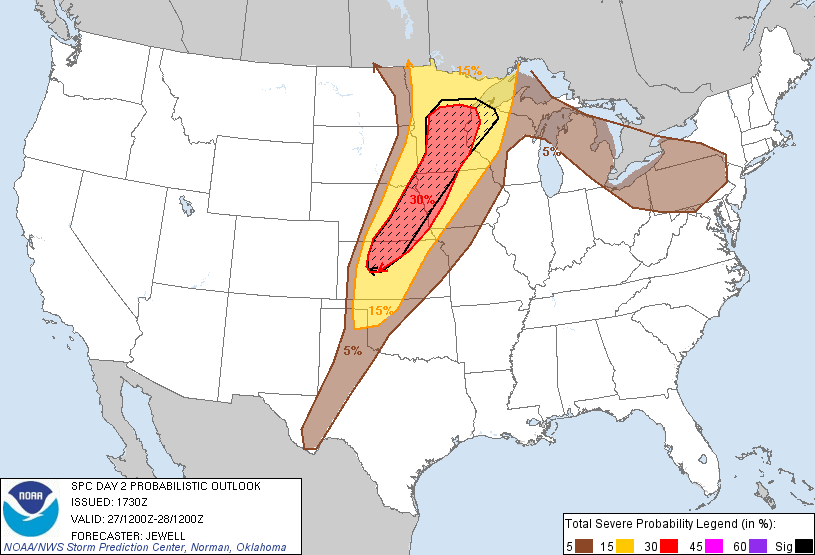
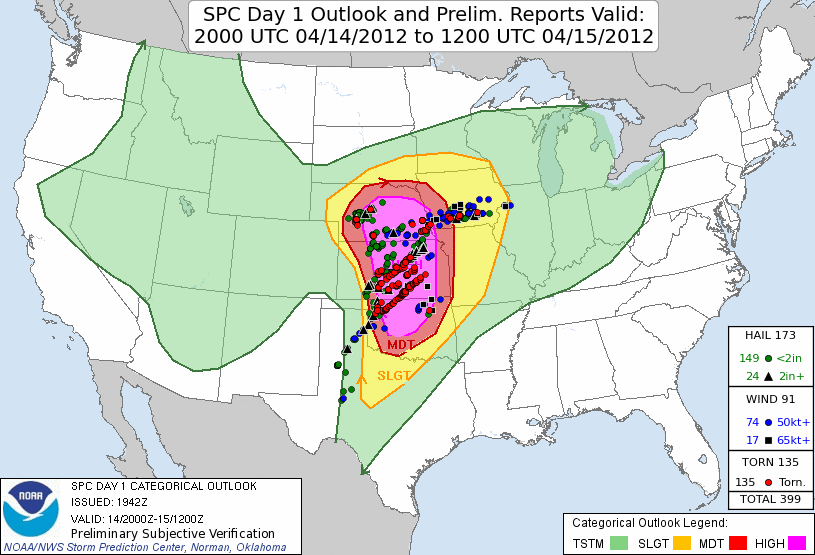
On a side note, the SPC did a great job of forecasting this widespread outbreak, as you can see from this verification of the outlooked areas with confirmed tornadoes. One thing that puzzles me is why they showed a 45 percent hatched area for Nebraska, when from what I recall, the NAM and RUC didn’t appear at all bullish for a northern play. At the time, I figured that those SPC guys must have known something that the models weren’t revealing, but in fact the majority of tornadoes occurred southward in Kansas. If anyone from the SPC happens to read this, I’d welcome your comments on the thinking behind the enhanced focus on Nebraska over regions southward.

We overnighted east of Kansas City, and the following day found us chasing a warm-front scenario in south central Minnesota. The setup this day was utterly unlike the previous day. In fact, with the surface low nearly collocated with a closed 500 mb low to our west, we were dealing with what seemed like a quasi-cold-core setup. The storms, low-topped supercells, formed in convective “streets” that moved nearly straight northward, each street progressively kicking off new convection to its east where outflow presumably converged with strong southeasterly surface winds. Tornado reports occurred to the north, along or just past the warm front, where winds backed strongly.

The setup was an interesting one particularly in that tornadoes were reported on the cold side of the front, which cooled markedly within a matter of a few miles. This seemed counterintuitive: what kind of surface instability was available in such an environment? I recalled my chase with Kurt Hulst and Dave Diehl back in February, 2006, when we watched a storm on the far eastern side of a cold core drop a tornado several miles to our south. Where we stood, the air was so cold that I could see my breath; yet across the distant treeline, an unmistakable tornado was spinning and doing damage in a small town east of Kansas City.

As for this present date, while the four of us didn’t see a tornado on April 15, we did see the most wildly circulating wall cloud I’ve ever laid eyes on. The motion in the thing was unreal, something I attribute to the storm’s crossing the warm front and encountering a radical backing of winds.

Inevitably, we found ourselves in Minneapolis, at which point we left chase mode and headed for home. The first few coughs that would rapidly blossom into the debilitating bronchitis I mentioned at the start of this post were just getting hold of me. The following day would mark the beginning of a miserable two weeks. I’m just glad the virus held off till I got home.

Now I’m almost recovered–not in enough time for what looks to be a lively day in Kansas tomorrow, but certainly for the next round after.

For another perspective and some absolutely stunning videos of the Kansas outbreak of April 14, visit my friend Kurt Hulst’s blogsite, Midwest Chasers.

Heading Home from Kansas

Bill Oosterbaan, Steve Barclift, Rob Forry, and I have had a fun time chasing low-top supercells today in Minnesota on our way home from two action-packed days in Oklahoma and Kansas. Now, at the end of day three, we’re heading east on I-94, with Minneapolis fresh behind our backs and seven hours of driving ahead of us.

The four of us witnessed several tornadoes–how many, it’s hard to say for sure, but we’ve agreed upon six–during yesterday’s massive outbreak. We tangled unsuccessfully with two supercells before hitting paydirt with a storm that dropped a string of swirlies around Hesston, Goessels, and points beyond. And yes, I shot some decent video, which I’ll post on YouTube once I’ve edited it, and also subsequently embed in a post here on Stormhorn.com. Consider this little placeholder to be a friendly heads-up that more is on the way in a day or two. Till then, ciao.