
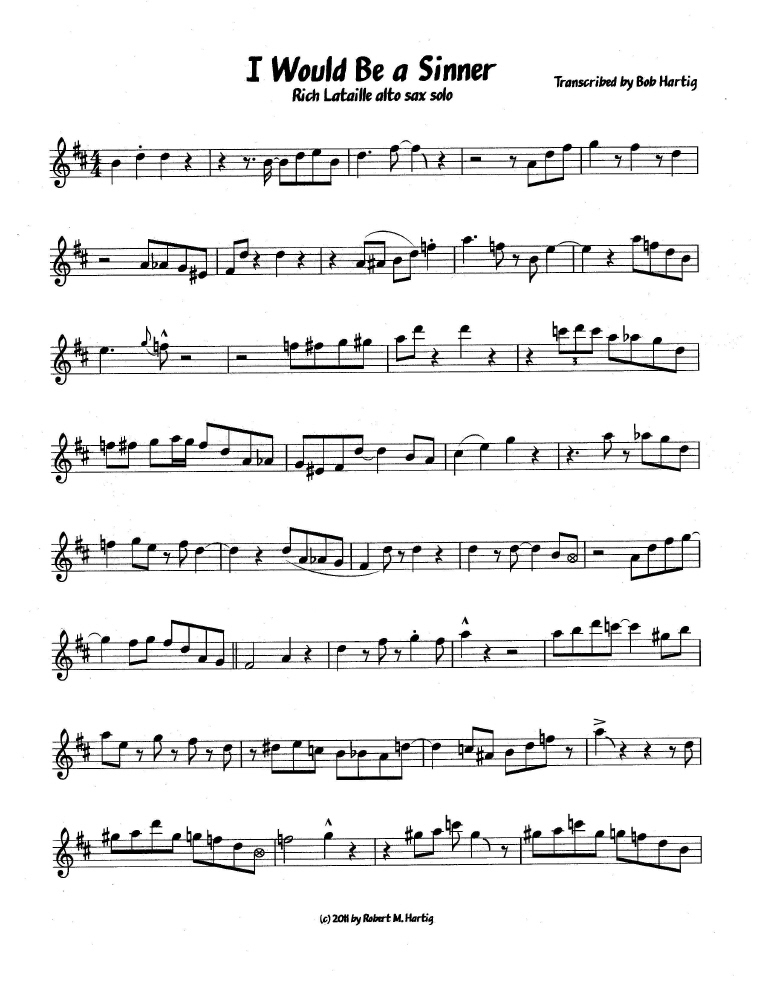
Here are all three choruses, transcribed for the alto sax. (Click on the images to enlarge them.) It probably needs no saying, but I’ll say it anyway: You’d do
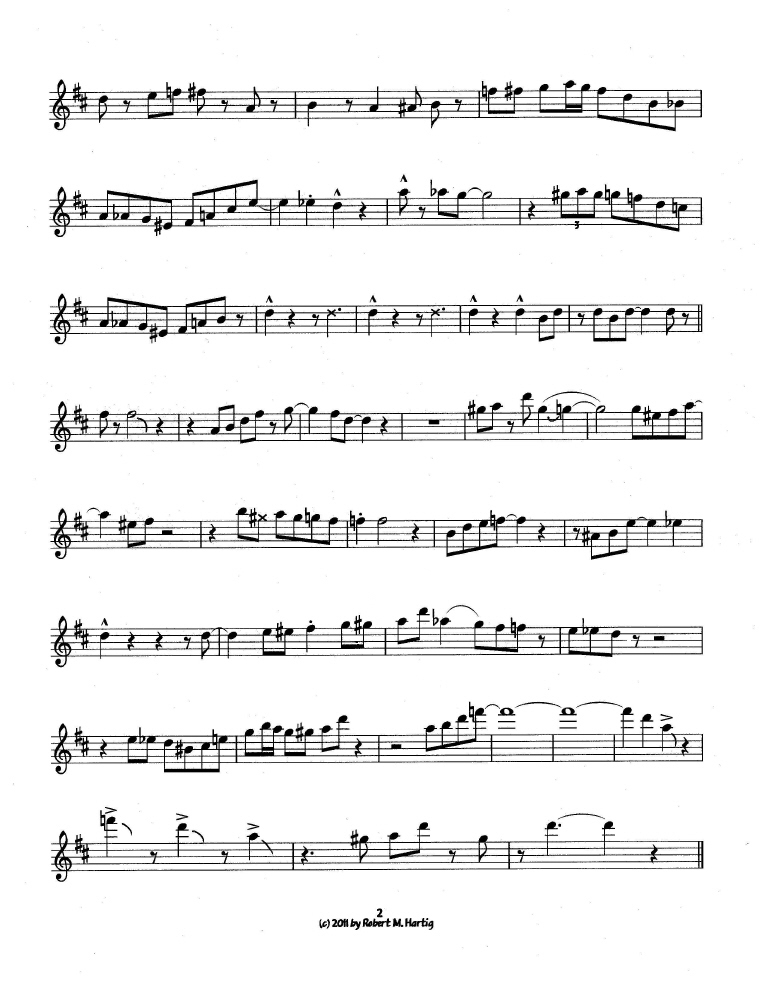
And that’s all I need say, other than that this is a great tune, and I hope you’ll enjoy playing it and listening to it as much as I do!
The Seasonal Grille in downtown Hastings, Michigan, is a great place to eat, and if you’re a musician, also a great place to play. I’ve done several gigs there over the past year, and from the start I’ve appreciated the owner, Justin Straube, and his crew as people who genuinely enjoy the music, and who treat musicians well. Perhaps that has something to do with a mutual respect among artists, because the fare that Justin serves up is just that: culinary art. I continue to be amazed that food as superb as what you’ll find at the Seasonal Grille comes at such an affordable price.
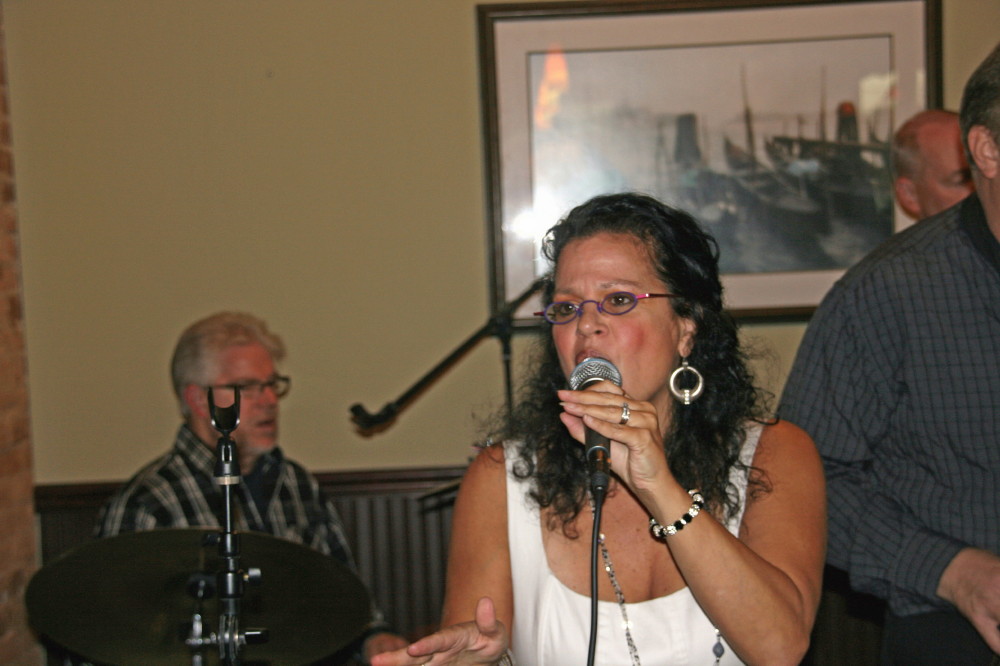
But enough of my touting the Grille. Let me switch to talking up my friend Francesca Amari. I met her on a big band gig four or five years ago, and we’ve played together ever since as opportunity has presented itself. Francesca is more than a great vocalist and gifted national cabaret artist: she is also an engaging, well-loved performer who projects a wit and sweetness that are totally authentic. In a word, she shines. She loves her audience, her audience loves her, and as a bandmate, she’s just plain fun to work with.
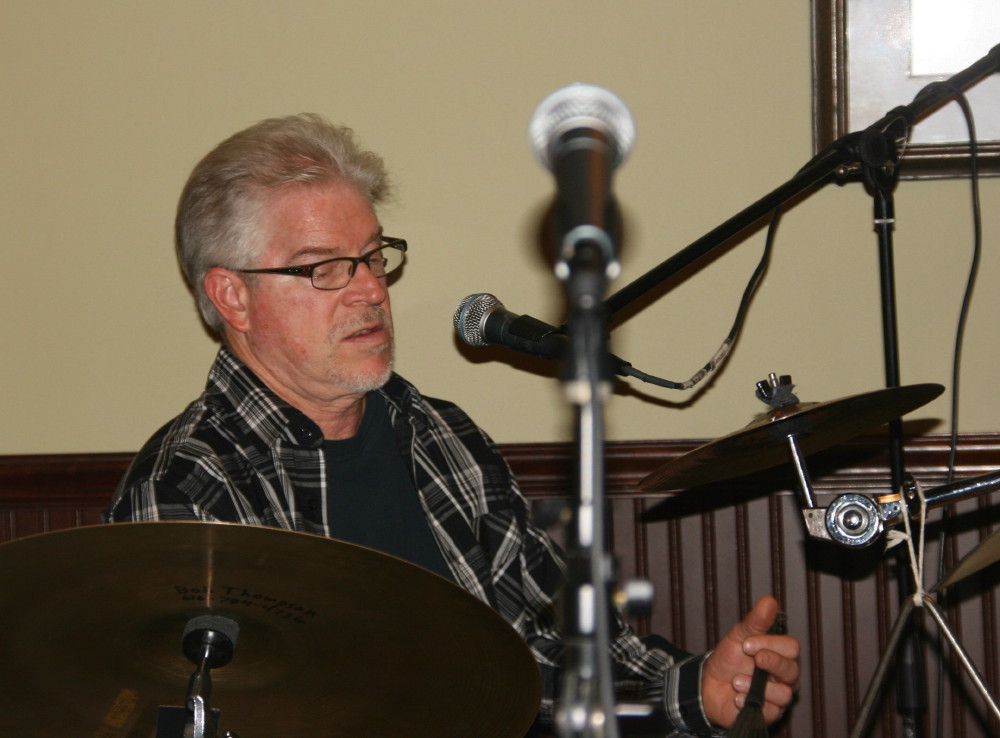
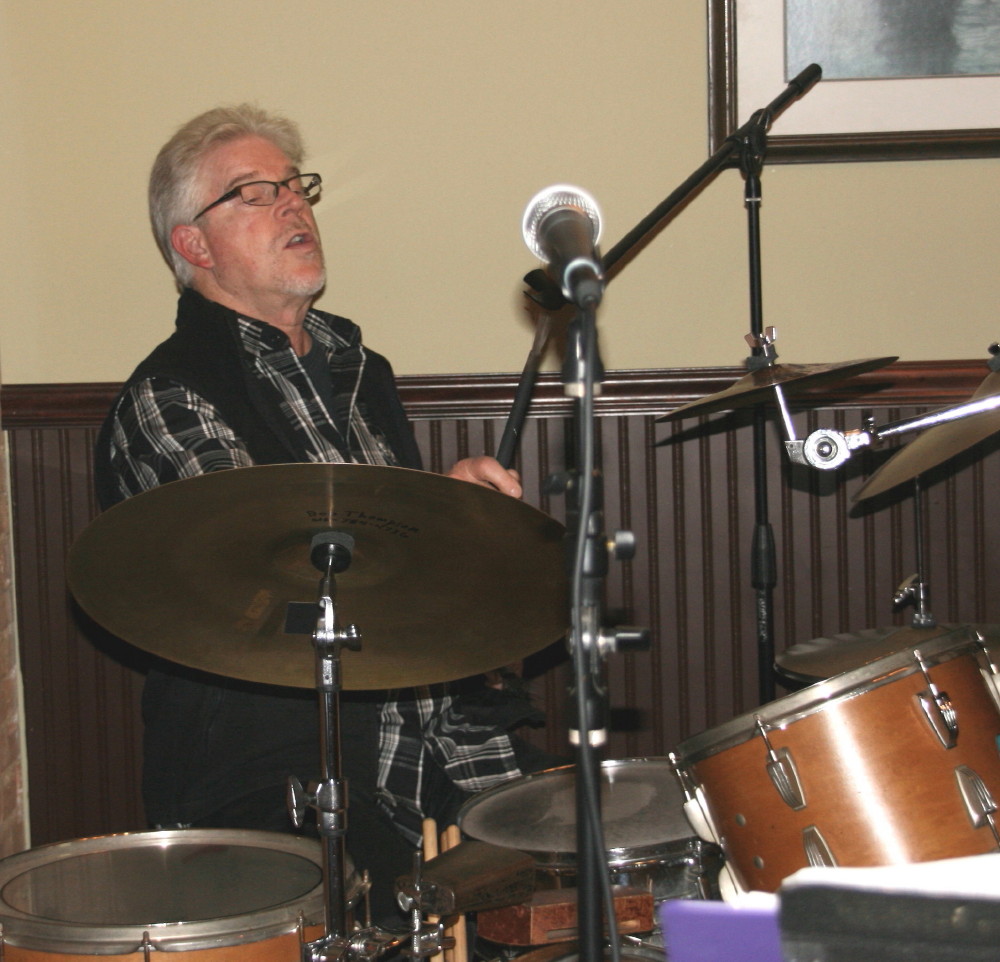
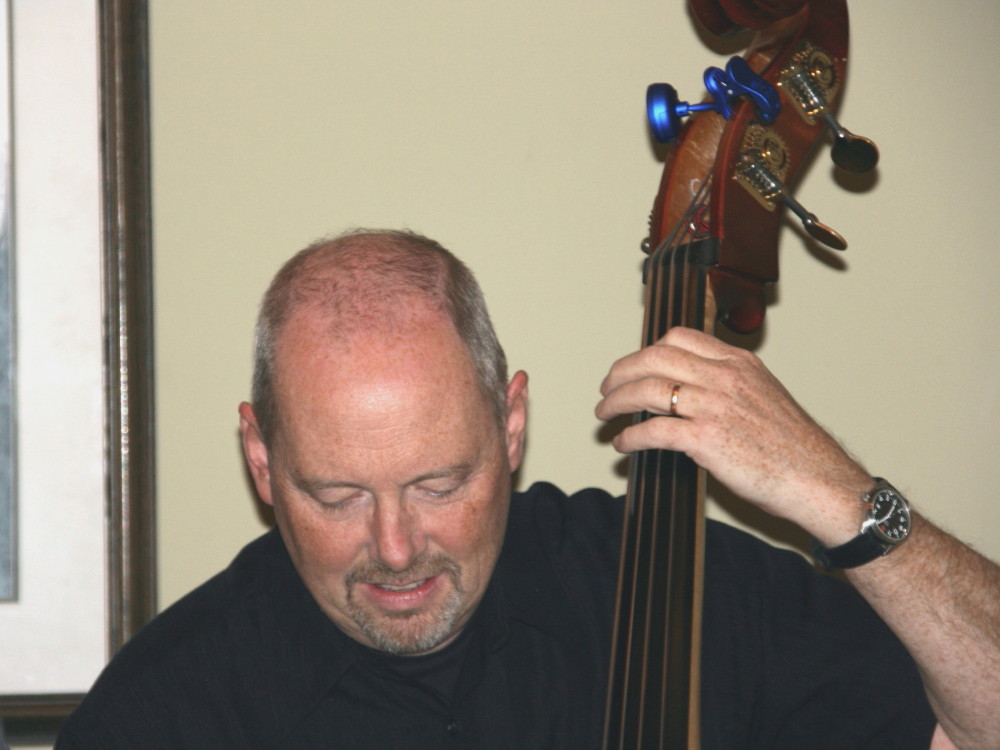
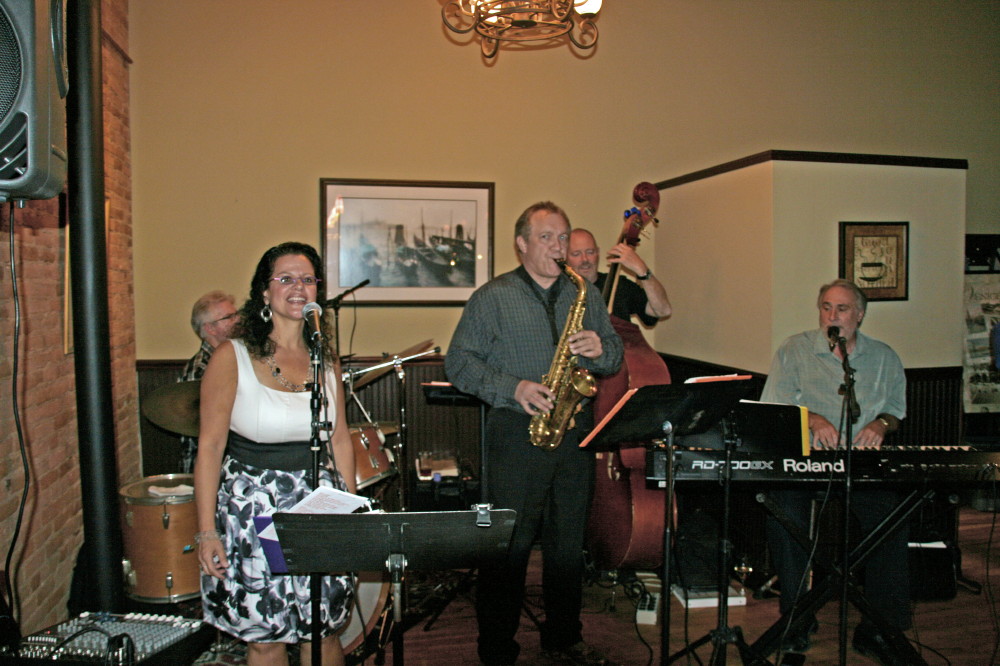
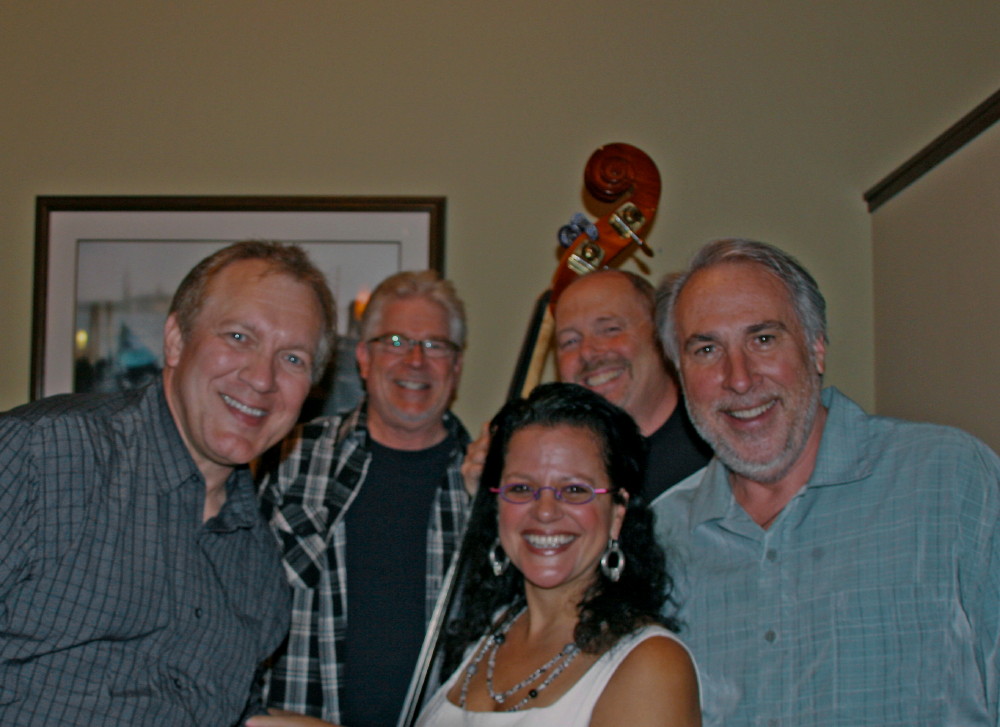
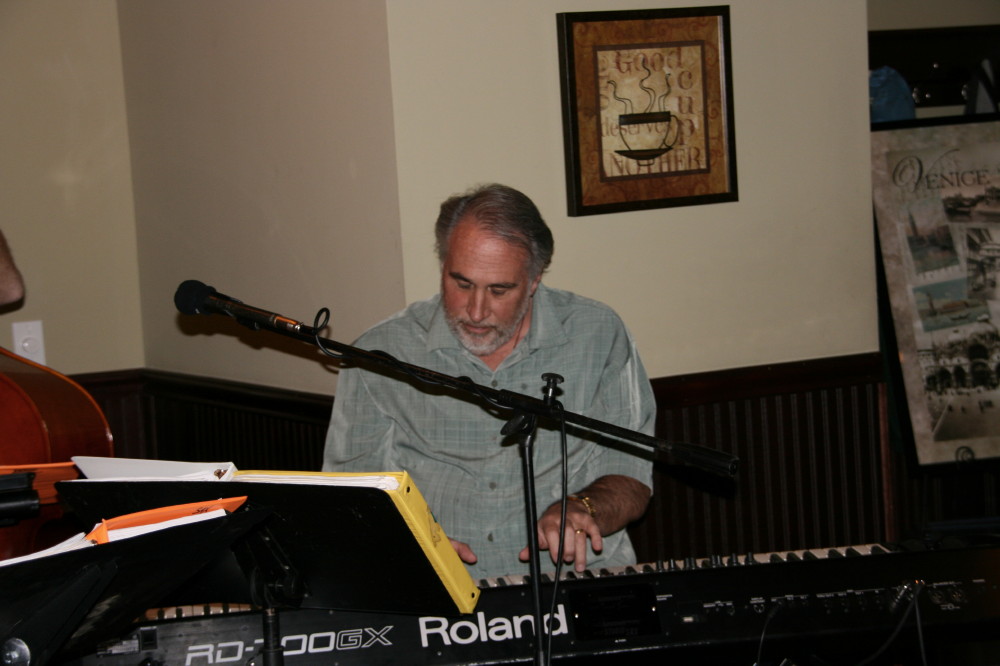
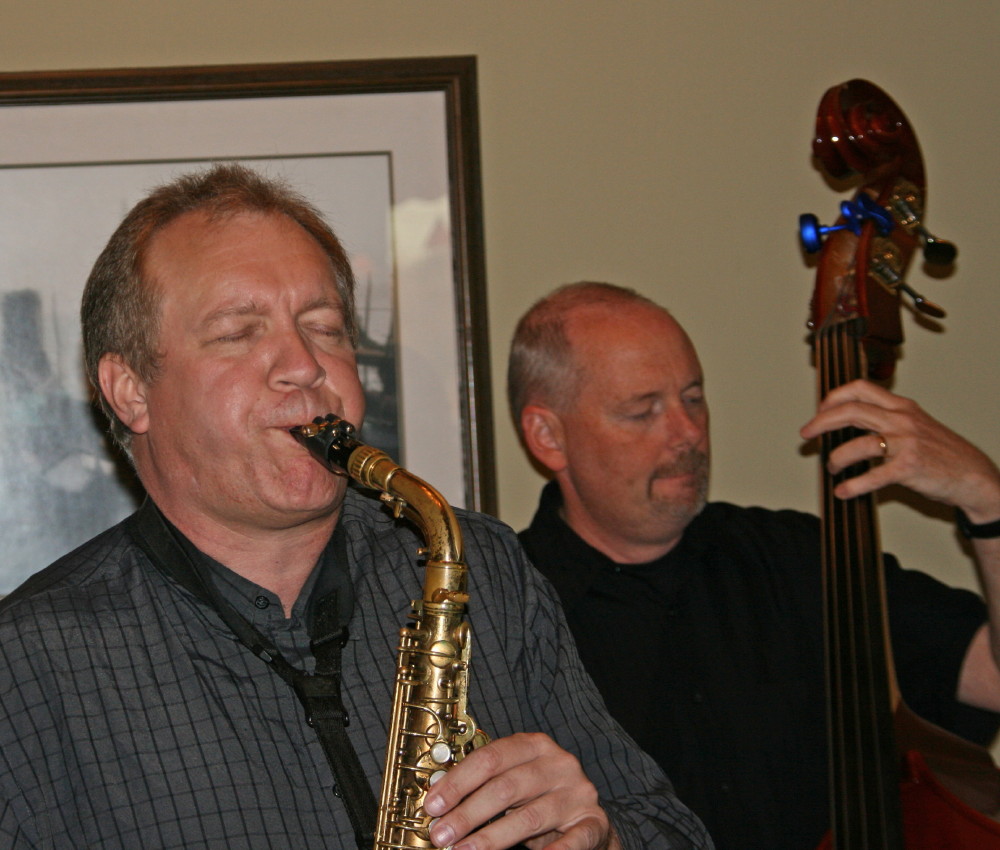
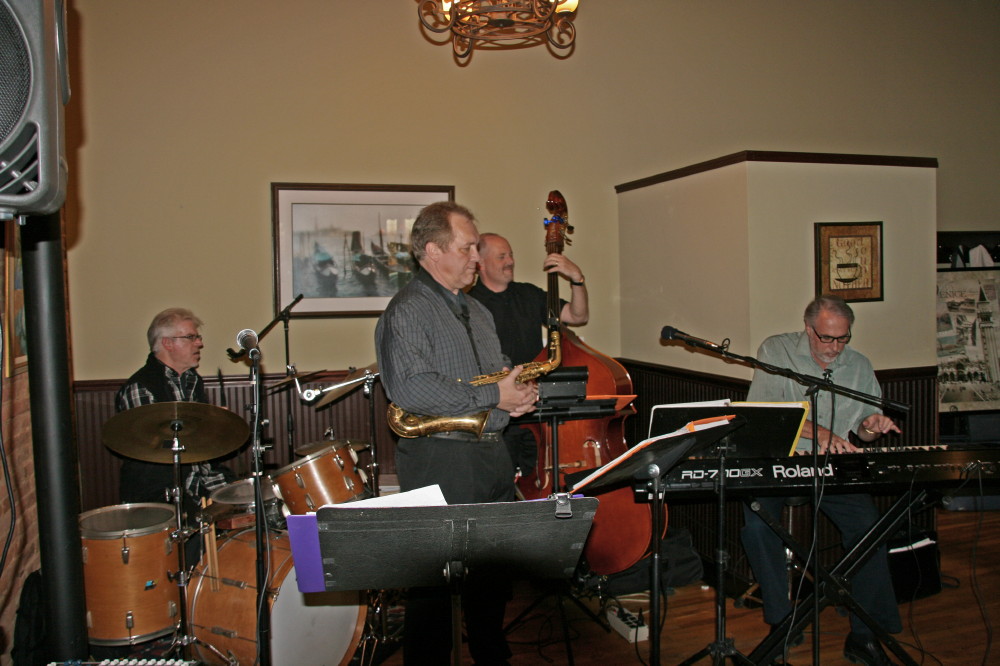
So you see, you have lots of incentive to come hear Francesca and the band, including moi, at the Seasonal Grille two weeks from now on Friday, November 4. We’ll be there with a full rhythm section consisting of Dave DeVos on bass, Bobby Thompson on drums, and Mark Kahny playing keyboards. This is a more ambitious date for the Grille than the piano–sax duos that I normally do there. I’m pleased that Justin was open to my suggestion to bring in Francesca, who will be visiting Grand Rapids that week. This event will be something more than background music for diners, so I hope you’ll come join us. If you enjoy live jazz and show tunes, I can guarantee you a great evening.
Here are all the details in one compact call-out:
Francesca Amari and Friends
Place: The Seasonal Grille
Date & Time: Friday, November 4, from 6:00–9:00 p.m.
Phone: (269) 948-9222
Address: 152 West State Street, Hastings, MI (right across from the courthouse square)
The band will also be playing the previous evening, Thursday, November 3, at One Trick Pony in Grand Rapids. Downbeat for that gig is 8:00 p.m., and Wright McCargar will be filling the keyboard chair. That will be another fun night, so if you can’t make one, then make the other.
See you in two weeks!
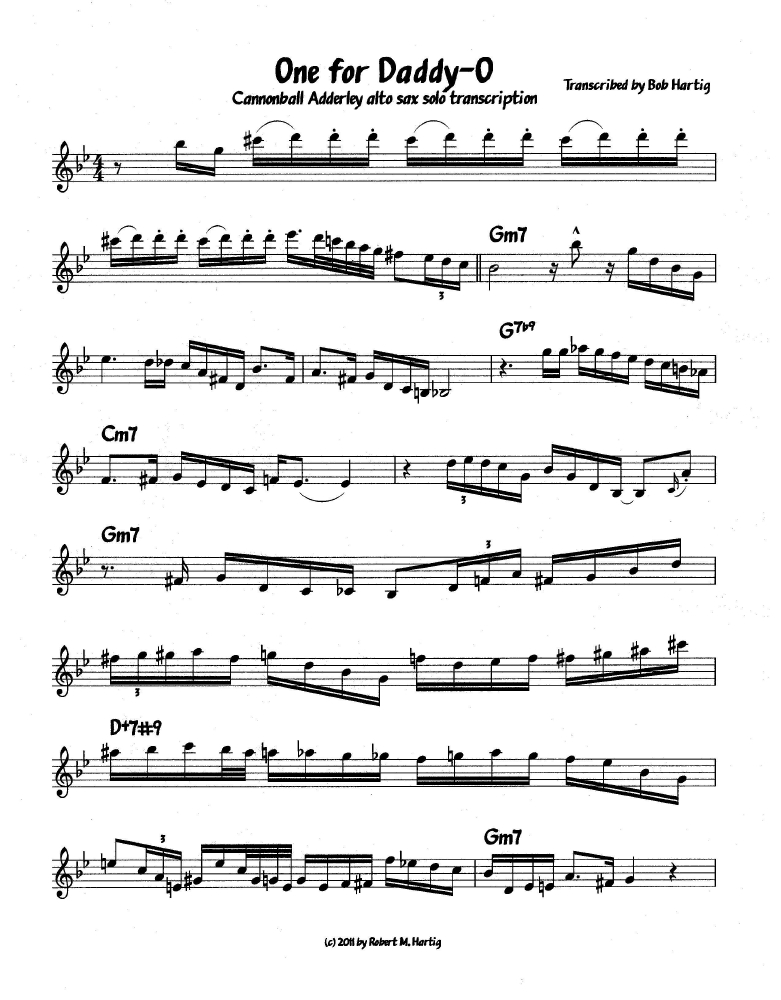
The transcription on this page showcases Cannon playing on “One for Daddy-O,” a Bb minor blues with a head written by his brother, trumpeter Nat Adderley. The feel is a cool, casual shuffle, with no one in any hurry to get
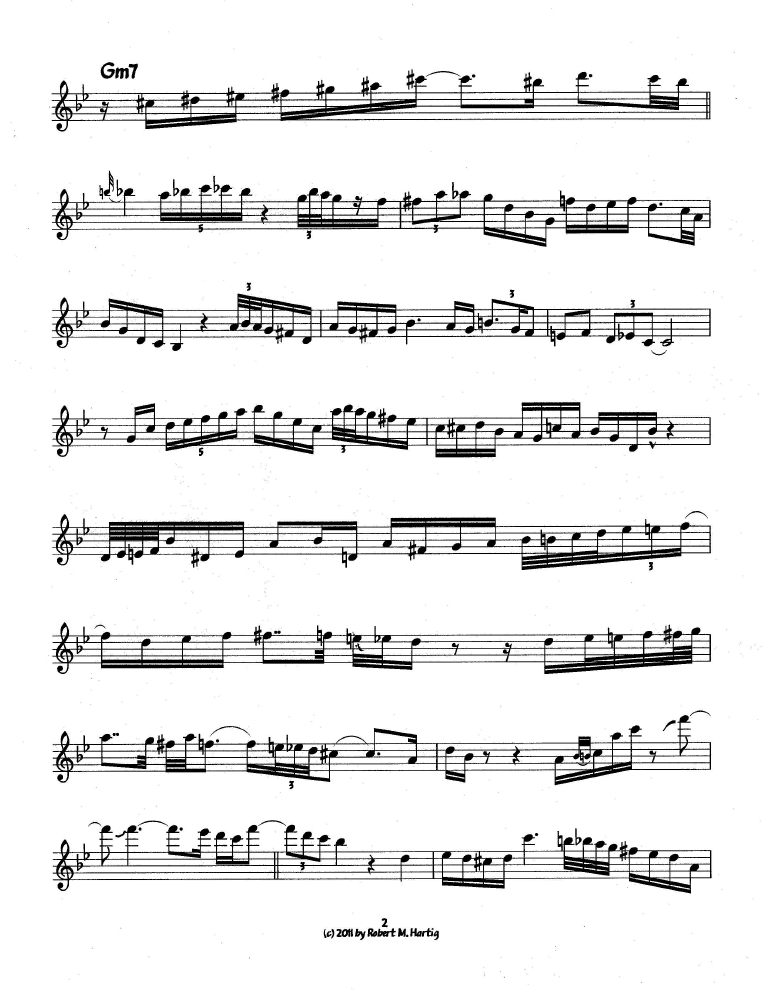
“One for Daddy-O” is one of the tunes in the classic Adderley quintet album Something Else. When you give the CD a listen, check out the call-and-response between horns and piano in the head. Points of interest in Cannon’s solo include:
• Use of the G and D Phrygian dominant scales (mode five of the harmonic minor scale)–ex. bar 6, or the fourth bar into the first full 12-bar form; and bars 28 and 36, or the second and tenth bars of the third chorus.
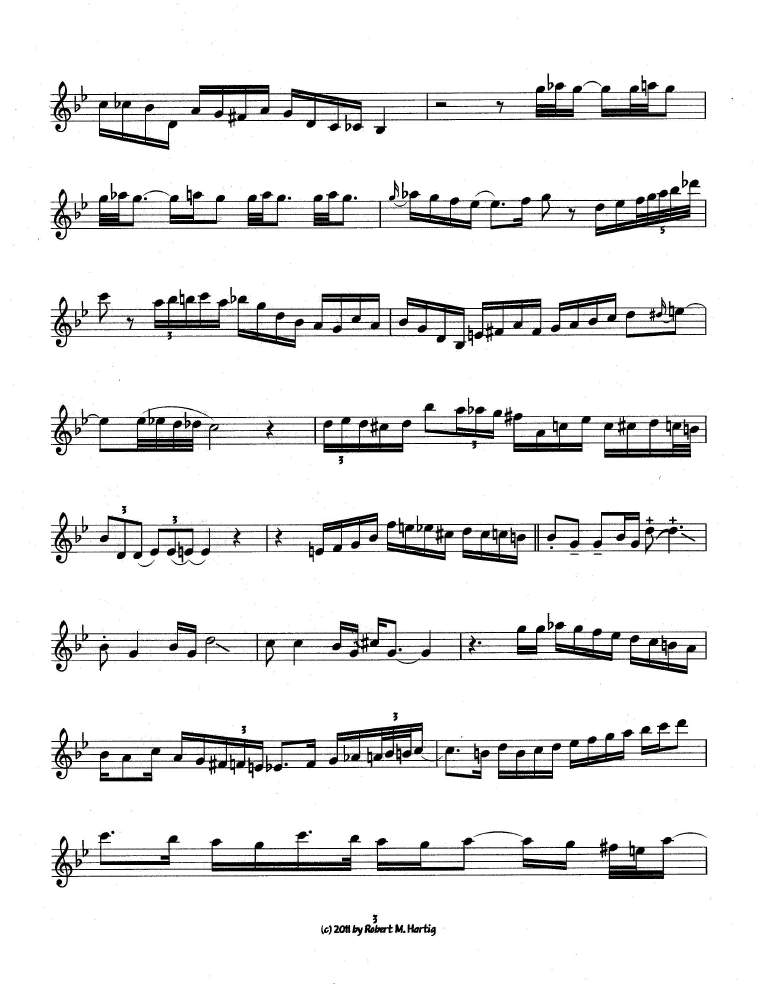
• Recurrent ideas–motifs, if you wish–that help to unify the solo. The walkdown to low Bb in bar 4 is a good example; you’ll find variations of it reiterated throughout the solo.
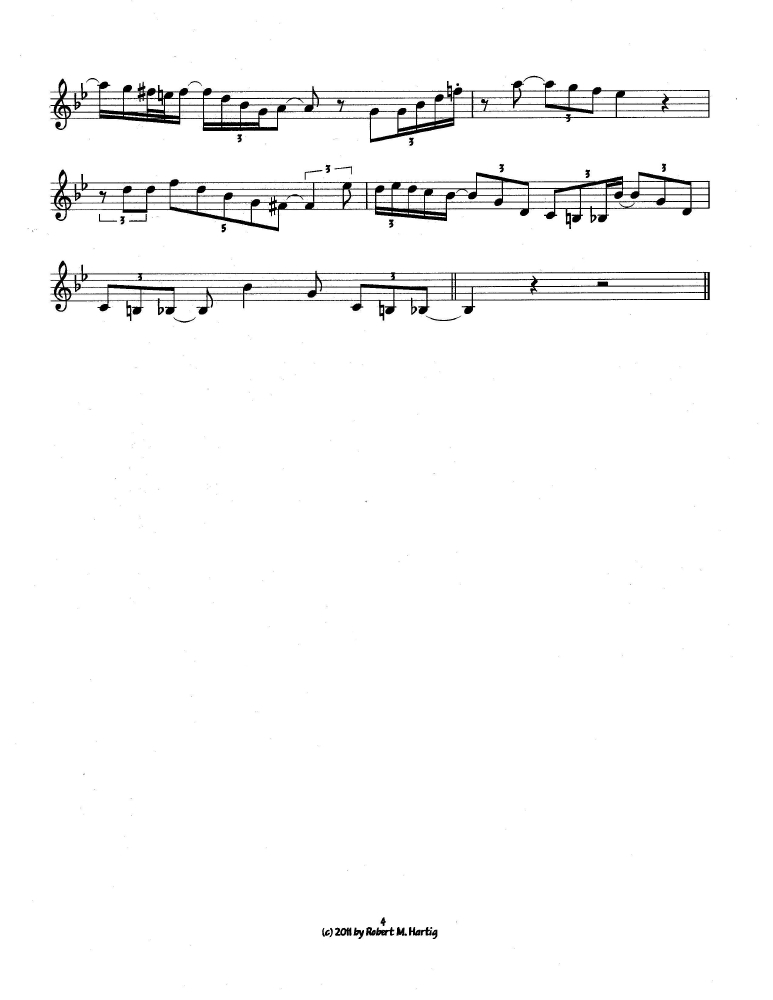
I should add that I’m still not certain I’ve properly captured the rhythm of the very last two or three bars where Cannon winds things up. If it’s not spot-on, it’s close, and further listening will tell me whether I need to tweak that section or leave it be. Either way, I’ll remove this last paragraph once that final snippet is taken care of. Everything else checks out. Have fun with it!
A while back, I wrote a post on the tritone scale. For my second video tutorial, I thought I’d supplement that article with a brief audio-visual clip. Supplement is the operative word. Besides describing the theory of the tritone scale in somewhat greater detail and probably a bit more lucidly than the video, the writeup provides written examples for you to work with. But the video helps you hear the sound of the tritone scale, and in so doing, allows you to come at the scale from every angle.
People’s learning styles differ, so maybe this tutorial will be more your cup of tea. Regardless, if you haven’t read my written article, make sure to do so after you’ve watched the clip.
On a side note, the video was shot out at the Maher Audubon Sanctuary in rural southeastern Kent County, Michigan. I’m discovering a fondness for producing these tutorials in outdoor settings when I can. With winter closing in, my future productions will soon be relegated to the indoors; right now, though, nature is singing “Autumn Leaves,” and it has pleased me to capture a bit of her performance.
If you enjoy this tutorial, check out my Jazz Theory, Technique & Solo Transcriptions page. And with that said, enjoy the video.
Yikes–almost forget to mention, I’ll be playing tomorrow night (Friday, September 23) at the Seasonal Grille in downtown Hastings, Michigan. Come on out, drop a few dollars on dinner with your sweetheart, and take in a little live jazz. The Seasonal Grille is a fabulous place, and the food is not only outstanding in quality, but also just about absurdly affordable.
Paul Lesinkski will be joining me on keyboards. We’ve done a good number of piano-sax duos through the years; he’s a fantastic musician, a good friend, and someone I love playing with. You’ll like what you hear.
Here are the details:
The Seasonal Grille
150 West State Street
Hastings, MI
Time: 6:00–9:00 p.m.
Phone: (269) 948-9222
Hope you can make it!
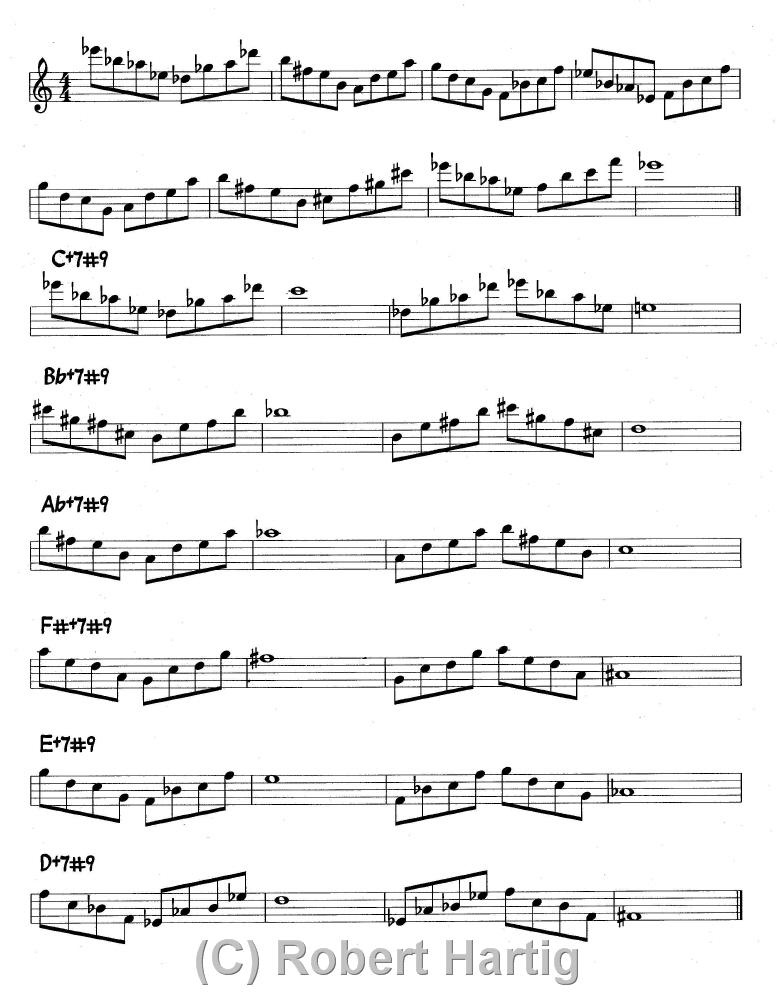
This post builds upon a jazz improvisation post I wrote a month ago titled Fourth Patterns: Three Exercises to Build Your Technique. That post gave you some quartal patterns to practice that took you around the cycle of fifths. While I pointed at the harmonic possibilities, I left you to sort them out for yourself. In this post, I’m providing a specific application by applying fourth groupings to altered dominant chords (V+7#9).
From there, play the same exercise starting on the note E. You’ll now have a different set of notes. Finally, start on the note F#. Once you’ve worked that into your fingers, you’ll have covered all the possibilities.
The material you’ve just practiced is designed to help you develop technique specific to the application that follows. Now we’ll move on to that application, as indicated by the chords.
For each chord, you’ll find two groupings of the fourth pattern spaced a major second apart. Together, the two patterns contain the following chord tones: #9, b9, b7, +5, +4*. The patterns are arranged in eighth notes that resolve to a consonant chord tone, thus:
I’ve written down the applications for six keys. I’m sure you can figure out the remaining six on your own, and you should. Don’t be lazy! You need to become familiar with all twelve chords. Moreover, I encourage you to experiment with variations on these patterns. This exercise will open up your technique for altered dominants–and other harmonic applications–but you should view it as a springboard for further exploration.
As is so often the case, the material I’m sharing comes to you fresh from my own practice sessions. It’s a chronicle of my personal learning curve, and I hope it assists you in yours.
If you found this article helpful, you’ll find many more like it on my Jazz Theory, Technique & Solo Transcriptions sub-page.
Practice hard, practice with focus–and, as always, have fun!
——————————–
* If you add two more tones–the chord root and the major third–you’ll get a complete diminished whole tone scale. In this application exercise, the whole notes use those two missing tones as resolutions.
The time has come for me to kick it up a notch on Stormhorn.com with my first video tutorial on jazz. This one is on the augmented scale, a favorite of mine.
I feel a bit presumptuous taking this step, since I’m putting myself out in front of you, my musical readers, in a new way that suggests a high degree of expertise. The reality is, I’m a mostly self-taught saxophonist who lives in a rural, bedroom community of Grand Rapids, Michigan, where you can still drive just a few blocks to find plenty of corn and cows. That said, I know what I know. More important, I’m a perpetual learner, and I like to share what I’ve learned, often as I’m still in the process of learning it. This video tutorial represents my effort to offer you more value by, er, augmenting your learning experience. (Pun intended. Rimshot, please.)
In the Jazz Theory, Technique, and Solo Transcriptions section of my Jazz page, you’ll find a good number of written articles on the augmented scale, complete with exercises, to supplement this video. One thing they can’t do, though, is familiarize you with the sound of the scale. That’s where this tutorial comes in handy. I hope you’ll enjoy it.
This post begins with a slice of my life. Blogs are personal things, or have the capacity to be if we let them. Sometimes I choose to do so in a way that goes beyond the realm of storms and music to other aspects of my world. Today, the pressures of that world have been getting me down. In the face of Michigan’s gnarly economy, the bills have been coming in with a consistency that the amount of business I need in order to pay them has not. As a self-employed copywriter and marketing copyeditor, I’m grateful for every project that I get. Still, as anyone who has felt the bite of this recession can tell you, sometimes it’s hard to stay upbeat. I need more marketing clients. Yoo-hoo…anyone…?
Shameless, aren’t I. But…I’ve learned–or rather, I continue to learn daily–to thank the Lord for small but important glints of progress. One of them lately has been with my book of licks and patterns for Coltrane changes, The Giant Steps Scratch Pad. A number of you have been good enough to buy it–enough of you over this past month in particular that I think the book may be starting to slowly catch on. It was a labor of love, and I hope you’re finding it to be every bit as useful as I envisioned it would be. If you feel inclined to share your experience with it so far, by all means drop a comment. And if you like the book, please spread the word.
Okay, enough of this self-indulgent stuff. August has been a busy month for me, occupied with family and, last weekend, with getting my first and probably last taste of a hurricane as Irene slammed through North Carolina. That’s material for another post soon to come. Overall, in the midst of my preoccupations, I haven’t been updating this blog as often as I normally do. So today, I’m back for you jazz musicianly sorts with an exercise on fourth patterns. Three exercises, actually, with the latter two being variations of the first. Click on the image below to enlarge it.
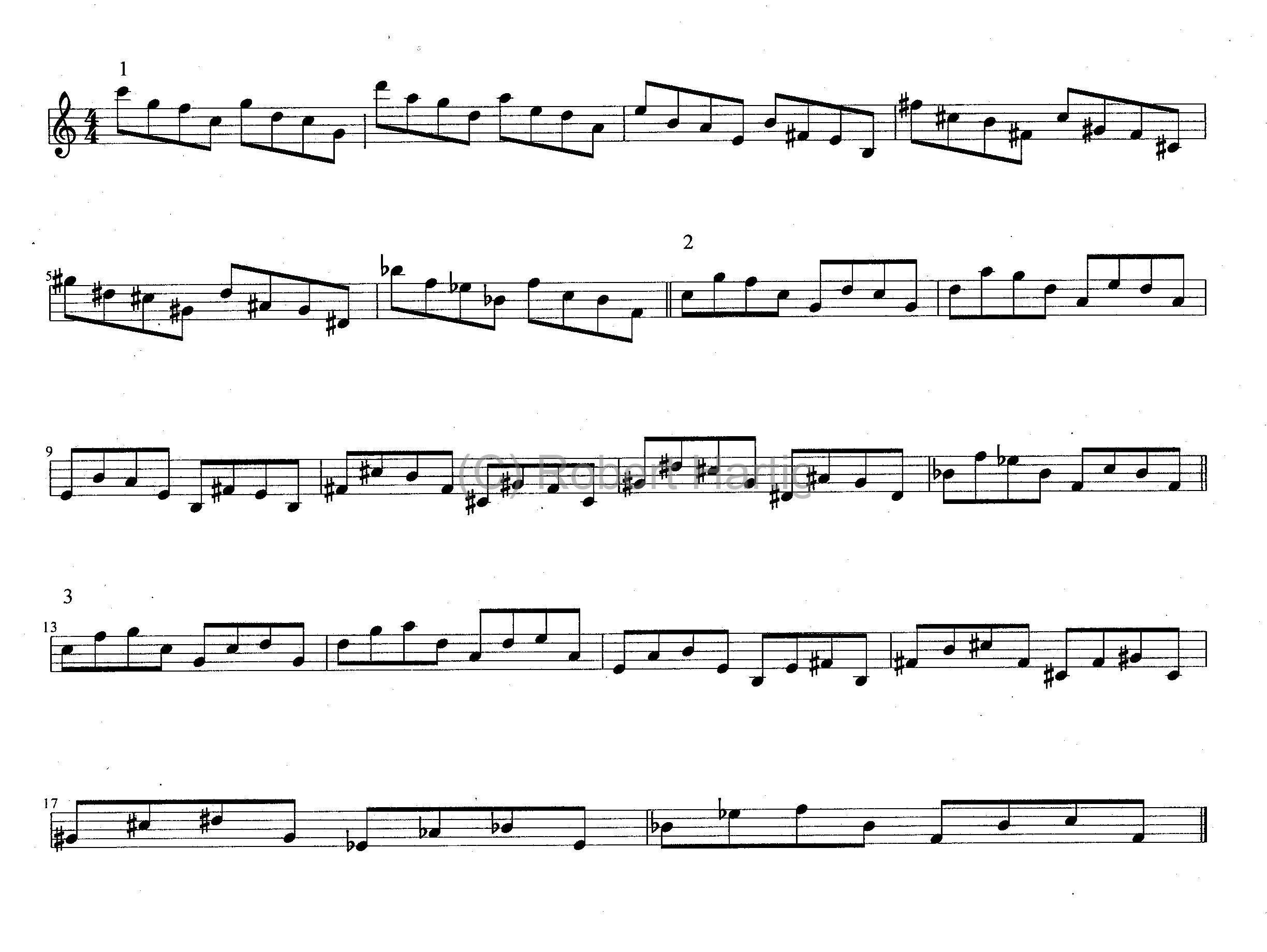
These patterns can be used in a number of ways. Since they’re closely related to the pentatonic scale–pick any three adjacent patterns, crunch the notes together, and you’ll have a pentatonic–you can use them as you would pentatonic scales.
For that matter, you can use as many as five of these patterns in succession within a given key and remain diatonic to the key. The fifth pattern will fill in the last blank, furnishing you with all seven notes in that key. For example, the first two-and-a-half bars of the exercise are all diatonic to the key of C major.
From there, the harmonic applications can get as sophisticated as you care to go with them. I’ll let you hash out that part. My mission here is simply to give you something to grease your technique with. Have fun! And if you enjoy this post, check out my many more helpful exercises, transcriptions, and articles for jazz improvisers.